
Flowers
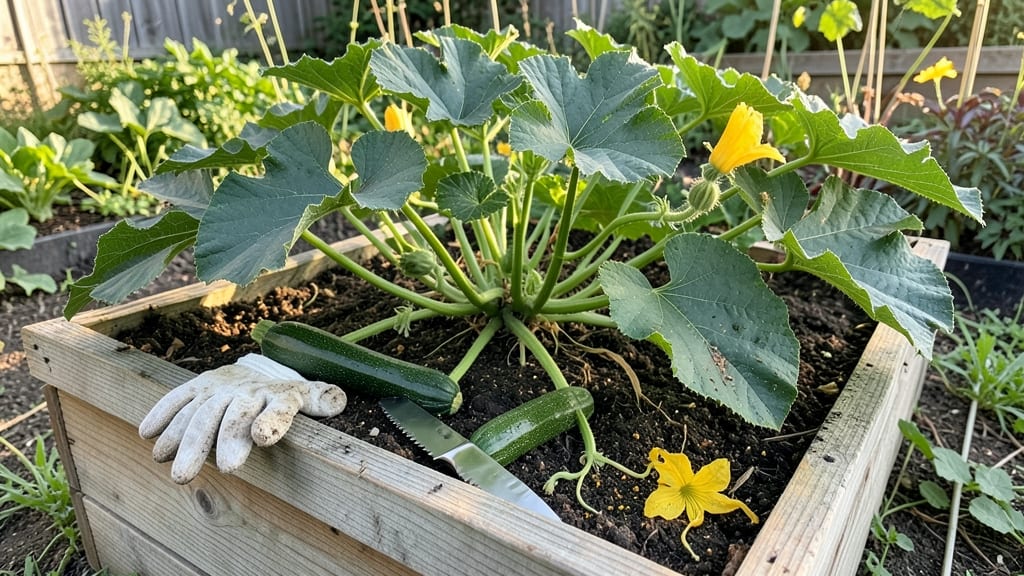
When do you pick zucchini when the flower falls off your zucchini 🎃, that’s your cue to check for ready-to-harvest fruit — but timing matters more than you might think.
You’ve probably seen those wilted blooms littering your garden path, wondering if it’s a sign of trouble or just part of the process. The truth? That flower drop is actually a green light for zucchini harvest, but only if you know what to look for next.
Harvesting at the right moment keeps your plants productive and your fruit tender. Skip this window, and you’ll end up with oversized, seedy zucchini that’s tougher to eat.
Below, I’ll show you exactly how to tell when your zucchini is perfect for picking — and what to do if you miss the boat.
From flower drop to firm skin, I’ll walk you through the 3 key signs of harvest-ready zucchini, plus how often to check your plants to keep the bounty coming all season.
When to harvest zucchini after the flower falls off (and what it really means)
If you’ve ever spotted a fallen zucchini flower and wondered whether to harvest the fruit, you’re not alone. That little bloom dropping off isn’t random—it’s your plant’s way of signaling fruit maturity.
But here’s the catch: not all flowers mean the fruit is ready! Let’s break down what’s really happening and when to act.
Zucchini plants produce two types of flowers: male flowers (with long stems) and female flowers (with tiny fruits at their base). When a female flower wilts and falls, it’s often a sign the attached zucchini is nearing harvest size.
But timing is everything—pick too early, and you’ll miss out on flavor; too late, and you’ll get overripe, seedy zucchini that’s tough and watery.
Here’s the key: the flower drop is just one clue. You’ll also want to check the fruit’s size (6-8 inches), skin firmness, and seed development. A perfect zucchini should feel firm to the touch but not rock-hard, and its seeds should still be soft and pale.
Ready for the best part? When you harvest at the right moment, you’ll enjoy tender, sweet zucchini packed with nutrients. And the more you pick, the more your plant will produce! Let’s dive into the science behind flower drop and how to turn that signal into a bountiful harvest.
Now that you’ve got the visual guide, let’s talk about the biological process behind flower drop. When a female zucchini flower is pollinated (usually by bees), it starts developing fruit. As the zucchini grows, the flower’s nutrients shift entirely to the fruit, causing the bloom to wilt and detach.
This is nature’s way of telling you: “Hey, the fruit is maturing—check it out!”
But here’s a pro tip: don’t wait for the flower to fall if you’re eager to harvest. Some gardeners pick zucchini just before the flower drops—when it’s still attached but the fruit is 6-8 inches long.
This gives you a slight edge in timing, especially if you’re dealing with fast-growing varieties or hot weather that speeds up maturity.
If you miss the window and the flower stays on too long, don’t panic. Your zucchini might still be edible, but it’ll likely be larger, seedy, and less tender. The good news?
Overripe zucchini can still be used for baking, roasting, or even making zucchini bread (if you’re into that). But for the best flavor, aim to harvest when the flower has just fallen off and the fruit is still small.
One common mistake I see is assuming all fallen flowers mean harvest time. Male flowers (the ones without tiny fruits) also drop off, and they don’t signal anything about your zucchini’s readiness.
So, always double-check for that tiny fruit at the base of the flower stem—this confirms it’s a female flower and your zucchini is on its way!
To keep your zucchini plant productive, harvest every 2-3 days during peak season. This encourages the plant to produce more flowers and fruits. And if you notice multiple flowers dropping without new ones forming, your plant might be stressed—check for pests, underwatering, or nutrient deficiencies.
A healthy zucchini plant is a happy, fruitful one!
Pro tip: Use a sharp knife or pruners to harvest zucchini. Cut the fruit from the vine about 1 inch above the stem to avoid damaging the plant. This also helps prevent disease from entering through jagged cuts. And always harvest in the morning when fruits are cool and crisp.
Remember, the goal is <
Signs your zucchini is overripe (and how to fix it before it’s too late)
If you’ve ever glanced at your zucchini plant and seen drooping flowers or oversized fruit, you’re not alone. Zucchini grows fast—sometimes too fast—and recognizing overripe signs early can save your harvest.
The moment a zucchini becomes wooden, seedy, or bitter, it’s past its prime. But don’t panic: knowing the tactile and visual cues can help you salvage even the largest squash.
One of the first warning signs is a hard, thick skin that resists your thumbnail. When you press gently, it should give slightly—not feel like a wooden baseball bat.
Another red flag is yellowing or pale spots on the skin, signaling the fruit has been on the vine too long. Even the seed cavity becomes a dead giveaway: if it’s large, pale, and mushy, your zucchini has crossed into overripe territory.
Do NOT wait until the flower falls off—that’s often too late. By the time the female flower wilts, the zucchini may already be 6+ inches long and developing hard seeds. Check fruit every 2-3 days in peak growing months (June–August) to catch the sweet spot: 6–8 inches with firm but tender skin.
If you’ve missed the window and ended up with oversized zucchini, don’t toss it! Overripe zucchini can still be repurposed into soups, bread, or pickles. The key is to remove the seeds and skin, then use the flesh in cooked dishes.
For example, slice it thinly and pan-fry with olive oil and garlic to mellow the bitterness. You can also freeze the flesh for later use in stews or casseroles.
To prevent future overripe zucchini, harvest frequently—aim for 2–3 times per week during peak season. Thin out excess flowers early in the season to avoid overloaded vines, which can lead to smaller, underdeveloped fruit.
And if your plant is struggling with pollination (a common issue in humid weather), gently hand-pollinate flowers with a paintbrush to ensure fruit sets properly.
Another trick is to plant bush varieties like ‘Eight Ball’ or ‘Patio Star,’ which produce smaller, more manageable fruit. These types are less likely to outgrow your expectations and are perfect for container gardening.
Even if you’re growing standard varieties, stay vigilant: a 6-inch zucchini is ideal, while an 8-inch one is still edible but less tender.
Remember, overripe zucchini isn’t a lost cause—it’s just a different stage of flavor. With the right techniques, you can turn "too late" into "delicious later." Keep an eye on your plants, and soon you’ll be harvesting perfectly sized squash every time. Happy gardening! 🌱