
Size
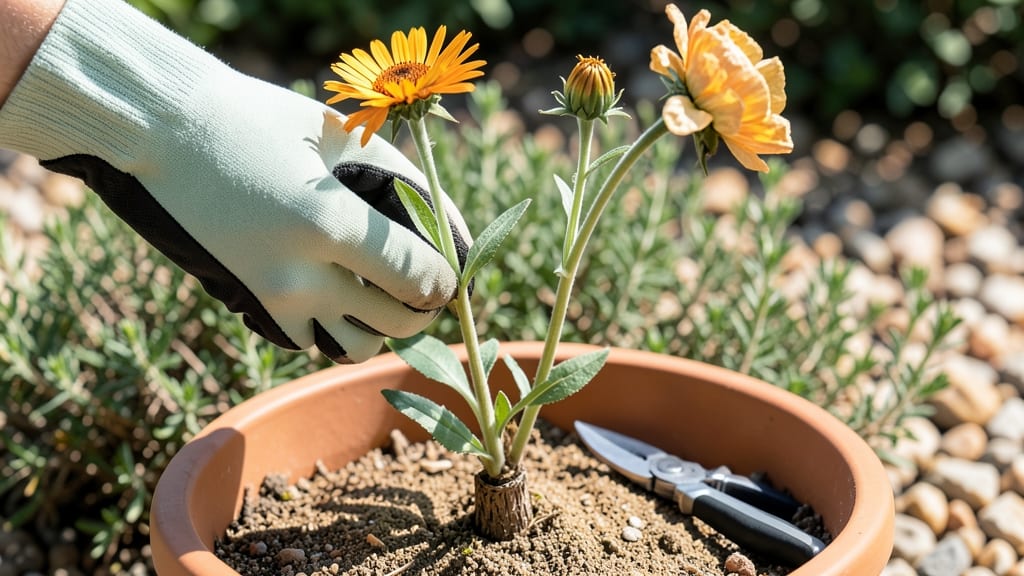
You do pinch strawflower 🌼 to coax bushier growth and more vibrant blooms—but the wrong timing or technique can backfire and leave you with leggy stems and fewer flowers.
Picture this: You’ve spent weeks nurturing your strawflower, only to watch it stretch tall and sparse instead of bursting with color. The fix is simpler than you think, and it starts with a few seconds of pruning at the right moment.
Pinching works by trimming the tips of young stems to encourage branching, which leads to a fuller plant and longer-lasting blooms. Whether you’re growing strawflowers in containers or garden beds, this easy technique applies to all varieties—and the best part?
You don’t need fancy tools, just your fingers or a clean pair of scissors.
In this guide, I’ll walk you through the exact when and how to pinch strawflowers, plus common mistakes to avoid so you end up with a thriving plant that keeps flowering well into fall.
When and how to pinch strawflower for maximum blooms
If you’ve ever grown strawflowers (Helichrysum bracteatum) and wondered why your plants stay leggy with sparse blooms, pinching might be your answer. This simple technique encourages bushier growth and longer-lasting flowers by redirecting energy from vertical growth to lateral stems.
The key? Timing and precision—pinch too early or too late, and you’ll miss the sweet spot for maximum impact.
Strawflowers thrive when pinched during their early vegetative stage, typically 4-6 weeks after germination or when seedlings reach 4-6 inches tall. This window ensures your plant has enough energy to recover and branch out before flowering season.
Skipping this step often results in tall, spindly stems with fewer blooms—a common mistake even experienced gardeners make.
How to Pinch Strawflower for Bushier Growth
- Step 1: Identify the Right Stage Pinch when your strawflower has 4-6 true leaves and is 4-6 inches tall. Look for healthy, upright stems with no signs of stress.
- Step 2: Choose Your Tools Use clean fingers or sharp pruning shears. Avoid dull tools that crush stems—this can invite disease.
- Step 3: Pinch Above a Leaf Node Locate the top set of leaves (usually 2-3 inches down). Pinch just above this node to encourage lateral growth from that point.
- Step 4: Repeat for All Main Stems Pinch every main stem at the same height to promote even growth. Aim for 3-4 pinches per plant during the growing season.
- Step 5: Monitor for New Growth Within 2-3 weeks, you’ll see new side shoots forming at the pinched nodes. These will develop into flowering stems.
Pinching strawflowers isn’t just about timing—it’s also about seasonal awareness. In USDA Zone 6a (where strawflowers grow best), aim to pinch in late spring (April-May) when soil temperatures reach 60°F+. Avoid pinching after June, as this can delay flowering and reduce your peak bloom period (July-September).
Container-grown strawflowers respond just as well to pinching as garden beds, but be mindful of root space. If your pot is smaller than 12 inches wide, limit pinching to 2-3 stems per plant to prevent overcrowding. Over-pruning in tight containers can lead to root-bound stress and fewer blooms.
After pinching, your strawflower will enter a recovery phase where it focuses on producing secondary stems. During this time, maintain consistent watering (every 7-10 days) and fertilize lightly with a balanced 5-10-10 NPK to support new growth. Avoid heavy feeding, which can promote leafy growth over flowers.
One of the most rewarding results of proper pinching is a denser, fuller plant with 30-50% more blooms than unpinched counterparts. The papery, long-lasting flowers (which is why they’re called "strawflowers") will also stay vibrant longer when supported by a bushier structure.
For cut flower arrangements, pinched plants yield longer stems and more abundant harvests.
If you’re unsure whether to pinch, ask yourself: Does my strawflower look leggy or sparse? If yes, pinching is your solution.
If your plant is already compact and bushy, skip it—over-pruning can stress the plant and reduce flowering. Visual cues like long internodes (spaces between leaves) or fewer than 3 main stems are clear signals it’s time to pinch.
For year-round gardeners, note that strawflowers are annuals, so pinching is a one-season investment. However, if you’re growing them as perennials in warmer climates (Zones 8-10), you can pinch lightly in early spring to encourage reblooming after winter dormancy.
Remember, the goal of pinching isn’t to stunt growth but to redirect it. With the right technique, your strawflowers will reward you with a cascade of color that turns heads—and lasts for weeks in bouquets. Happy pruning! 🌼
Strawflower pinching mistakes that stunt growth (and how to avoid them)
Even experienced gardeners sometimes make critical pinching mistakes with strawflowers that leave plants leggy or sparse. The key is understanding when not to pinch—because timing and technique can make or break your plant's growth.
I’ve seen strawflowers go from lush and blooming to struggling in just one season because of these common errors.
One of the biggest mistakes is pinching too late in the growing season. If you wait until your strawflower is already flowering, you’ll stunt bloom production instead of encouraging bushier growth.
The ideal window is early, when the plant is still in its vegetative stage—typically 4 to 6 weeks after planting or when stems reach 6 to 8 inches tall.
Another frequent error is over-pruning by removing too much foliage at once. Strawflowers are resilient, but aggressive pinching can stress the plant and reduce its ability to photosynthesize.
Stick to removing just the top set of leaves or the terminal bud—never more than one-third of the plant's height in a single session.
Yes—but only if your plant is healthy and actively growing. Skip pinching if your strawflower shows these warning signs:
- Yellowing leaves (sign of nutrient deficiency or disease)
- Stunted growth (less than 2 inches per week)
- Wilting despite watering (root stress or pests)
If you see these, focus on fixing the root cause before pinching. Weak plants won’t recover well from pruning.
Ignoring plant signals is another common pitfall. If your strawflower starts producing buds before you’ve pinched, it’s already transitioning to flowering mode. Pinching at this stage will delay blooms and may reduce their number.
Always check for bud formation before pruning—if you see tiny flower buds, wait until next season.
For container-grown strawflowers, root-bound stress can mimic the effects of poor pinching. If your plant is crowded in its pot, it may grow slowly regardless of pruning.
Repot into a slightly larger container with fresh, well-draining soil before pinching. This gives the plant the energy it needs to respond well to pruning.
To revive a pinched-back strawflower that’s struggling, focus on light and nutrients. Move it to a sunnier spot (strawflowers need 6+ hours of direct sun) and feed it with a balanced fertilizer (5-10-10 ratio).
Avoid high-nitrogen fertilizers—they encourage leafy growth at the expense of blooms. Water deeply but infrequently to prevent root rot.
Remember, strawflowers are drought-tolerant, so overwatering can be just as damaging as under-pruning. Let the top 1-2 inches of soil dry out between waterings, and always water at the base of the plant to keep foliage dry.
With the right approach, even a previously struggling strawflower can bounce back with fuller growth and more vibrant blooms.