
Orchid Care
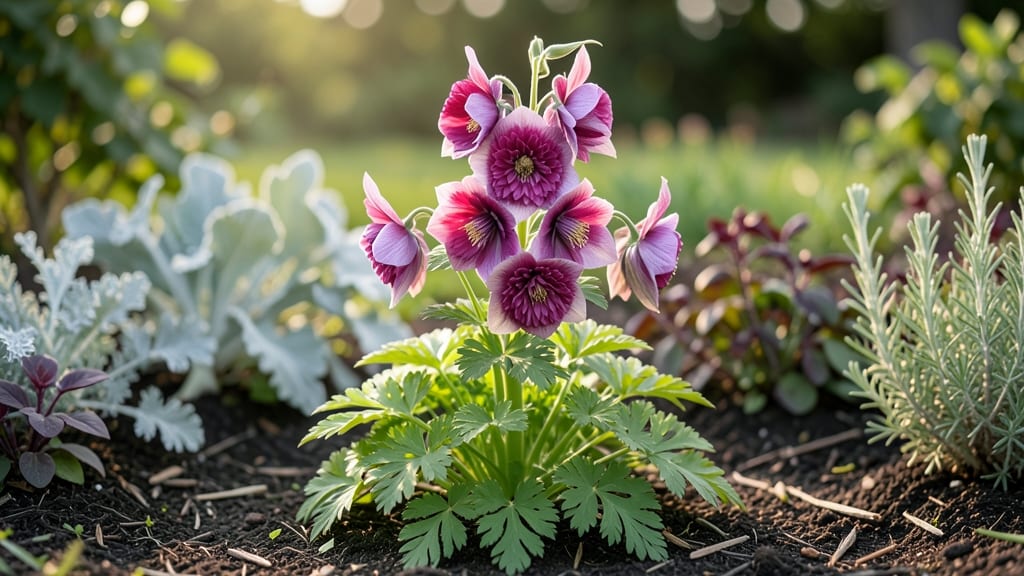
Double flowered columbine 🌸 is the secret weapon for gardeners who crave bold, showy blooms without the fuss of high-maintenance annuals.
Picture this: delicate, layered petals in shades of pink, purple, and blue that look like they belong in a fairy tale, but they’re as tough as they are pretty.
These varieties pack twice the charm of their single-flowered cousins, and with the right care, they’ll reward you with years of effortless beauty.
If you’ve ever planted columbine only to be disappointed by sparse, simple blooms, this is your sign to try double flowered varieties. They thrive in partial shade, attract hummingbirds and bees, and even self-seed for a natural, cottage-garden feel.
The key? Planting them in the right spot, feeding them lightly, and knowing when to let them rest.
In this guide, I’ll walk you through selecting the best varieties, planting for maximum impact, and the simple maintenance tricks that keep those double blooms coming back bigger and bolder every season.
How to select and plant double flowered columbine for maximum blooms
Double flowered columbine (Aquilegia spp.) transforms your garden with their lush, layered blooms that resemble tiny delicate chandeliers. Unlike their single-flowered cousins, these varieties produce two rows of petals per bloom, creating a stunning visual impact.
The key to achieving these showstopping displays starts with selecting the right varieties and planting them correctly.
Whether you're planting from seeds or established plants, proper preparation ensures your columbine thrives. These perennials prefer partial shade to morning sun and well-draining soil, making them perfect for woodland gardens, shade borders, or even container plantings.
With the right spacing and companion plants, you'll encourage healthier growth and prolonged blooming seasons.
Step-by-Step Planting Guide
-
Step 1: Choose Your Varieties
Select double-flowered cultivars like 'Queen of Hearts' (pink), 'Blue Bird' (blue), or 'Strain Delight' (mixed colors). These are bred for larger, showier blooms and better disease resistance. -
Step 2: Test and Amend Soil
Columbine prefers slightly acidic to neutral soil (pH 6.0-7.0). Mix in 2-3 inches of compost or aged manure to improve drainage and fertility. -
Step 3: Select the Right Location
Plant in partial shade (4-6 hours of sunlight), avoiding harsh afternoon sun. East-facing spots or dappled shade under trees work best. -
Step 4: Plant at the Right Time
For seeds, sow in early spring (March-April) or early fall (September-October). Transplant bare-root plants in spring after last frost. -
Step 5: Dig and Space Properly
Dig holes twice as wide as the root ball. Space plants 12-18 inches apart for optimal airflow and growth. -
Step 6: Water Thoroughly
After planting, water deeply to settle soil. Keep soil moist but not soggy for the first 2-3 weeks to encourage root establishment. -
Step 7: Mulch for Retention
Apply 2-3 inches of mulch (like shredded bark) to retain moisture and suppress weeds. Avoid piling mulch against stems. -
Step 8: Add Companion Plants
Pair with ferns, hostas, or astilbes for shade-loving companions. Avoid planting near aggressive spreaders like mint or creeping charlie.
When selecting double flowered columbine varieties, prioritize those with disease-resistant traits if your garden is prone to powdery mildew. Varieties like 'McKana Giant' produce larger blooms but may need staking in windy areas. For compact growth, 'Little Lanterns' is ideal for containers or small gardens.
After planting, monitor soil moisture closely during the first growing season. Double flowered columbine benefits from consistent watering but can suffer from root rot in waterlogged conditions.
Aim for 1 inch of water per week, adjusting for rainfall. In containers, water more frequently since soil dries out faster.
To maximize blooms, avoid over-fertilizing with high-nitrogen feeds, which encourage leafy growth over flowers. Instead, use a balanced 5-10-10 fertilizer in early spring and again after the first flush of blooms. This encourages strong root development and prolonged flowering.
One of the secrets to double flowered columbine success is understanding their natural growth habits. These plants often self-seed, so you may see volunteer seedlings popping up nearby.
If you want to control spread, deadhead spent blooms promptly or collect seeds for future planting. Just be prepared for a colorful surprise next season!
For container gardening, choose a pot with drainage holes and use a lightweight potting mix blended with perlite. Double flowered columbine in containers may need more frequent watering and occasional foliar feeding with diluted fish emulsion to compensate for limited root space.
Finally, remember that double flowered columbine attracts pollinators like bees and hummingbirds. Planting them near native perennials creates a pollinator-friendly garden that thrives year after year. With these planting tips, your columbine will reward you with vibrant, double-layered blooms that outshine traditional varieties.
Pruning and maintenance tips to encourage larger, longer-lasting double flowers
Double flowered columbine 🌸 thrives when you follow a few simple seasonal care routines that keep them bushy, blooming, and full of life. The key to larger, longer-lasting flowers lies in strategic pruning, deadheading, and feeding—all tailored to this delicate but resilient plant.
Unlike their single-flowered cousins, double blooms need extra attention to maintain their stunning layered petals.
Many gardeners make the mistake of pruning too late or too aggressively, which can stunt growth or reduce flowering. Instead, think of pruning as a way to encourage new stems and denser foliage, while deadheading redirects energy back into producing more blooms.
With the right timing and techniques, you’ll transform leggy, sparse plants into lush, vibrant displays that last from early spring through summer.
Here’s the first critical rule: Never prune in fall. Columbine stores energy in its roots for next year’s blooms, and late-season cuts can weaken the plant. Instead, focus on early spring and summer maintenance to keep your double flowered varieties thriving.
Double flowered columbine produces blooms on old wood—meaning last year’s stems. Cutting back too much removes potential flowering sites. Limit pruning to 1/3 of the plant at a time, and always use sterilized shears to prevent disease.
Avoid heavy pruning after mid-July, as new growth won’t have time to harden off before winter.
Start your maintenance routine in early spring by removing any dead or damaged stems. This clears space for new growth and improves air circulation, reducing the risk of fungal issues. Use clean, sharp pruners to make cuts just above a leaf node or bud, encouraging the plant to branch out.
A light application of balanced fertilizer (5-10-10) at this stage provides the nutrients needed for strong stem development.
Deadheading spent blooms is the secret to prolonging your columbine’s flowering season. Simply pinch or snip off faded flowers just above the next set of leaves. This redirects the plant’s energy from seed production to creating more blooms.
For double flowered varieties, deadhead every 2-3 weeks during peak bloom time to keep the show going. Avoid over-trimming, as these plants naturally produce fewer but larger flowers compared to their single-flowered relatives.
In late summer, shift your focus to light feeding and watering adjustments. Reduce fertilizer applications as the plant prepares for dormancy, and water less frequently to toughen up the stems. This gradual reduction helps prevent leggy growth and ensures your columbine enters winter strong.
Mulch around the base with 2-3 inches of organic material to protect roots from temperature fluctuations and retain moisture.
With these seasonal strategies, your double flowered columbine will reward you with bigger blooms, longer bloom times, and a more compact, bushy habit. The key is consistency—prune at the right times, deadhead regularly, and feed lightly to avoid overstimulating growth.
Soon, your garden will be the talk of the neighborhood for its stunning, double-layered columbine displays! 🌿