
Flowers
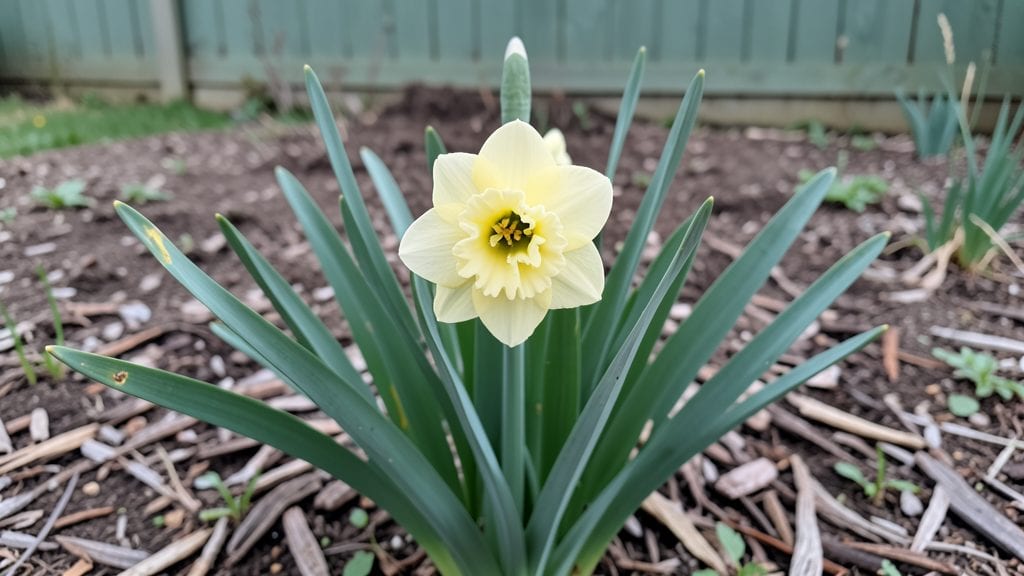
Growing double flowered daffodils 🌼 means transforming your garden into a springtime masterpiece with layered, lush blooms that multiply faster than you’d imagine.
If you’ve ever admired their dramatic petals and wondered how to coax them into thriving clumps, the secret starts with the right timing and soil prep. These showstopper flowers aren’t just pretty—they reward patience by returning year after year with minimal fuss.
In zone 6a, planting in fall between September and November sets the stage for 3 years of rapid growth. The key? Bulbs planted at the perfect depth, in well-draining soil, and with just the right balance of sun and water.
Below, I’ll walk you through every step—from selecting the best varieties to maintaining those stunning double blooms—so you can enjoy a garden that feels like a professional display.
How to choose and plant double flowered daffodil bulbs for maximum growth
Double flowered daffodils create stunning, layered blooms that stand out in any spring garden. Unlike their single-flowered cousins, these varieties produce extra petals and ruffled centers, giving them a lush, almost peony-like appearance.
The secret to growing thriving clumps within just 3 years starts with selecting the right bulbs and planting them correctly. Let’s break down the essential steps to ensure your daffodils multiply and flourish year after year.
First, understand that double flowered daffodils require slightly different care than standard varieties. Their extra petals can make them more susceptible to wind damage and require stronger stems to support their weight. Choosing the right bulb size and variety is your first step toward success.
Larger bulbs (size 10/11 or larger) will establish faster and produce more robust blooms in their first year. Look for firm, dry bulbs with no signs of mold or soft spots—these are your best bet for healthy growth.
Opt for double flowered varieties like 'Thalia,' 'Ice Follies,' or 'Peach Melba.' These are known for their vibrant colors and layered blooms. Avoid hybrid varieties unless labeled as double flowered, as some may revert to single blooms over time.
Double flowered daffodils thrive in well-draining, slightly acidic soil (pH 6.0-7.0). Amend heavy clay or sandy soil with compost or organic matter to improve drainage. A layer of gravel or coarse sand at the bottom of the planting hole can also help prevent rot.
Plant bulbs 6-8 inches deep for standard varieties or 4-6 inches deep for dwarf types. The general rule is to bury them 3 times their height. This depth ensures stability and protects them from rodent damage during winter.
Space bulbs 4-6 inches apart in rows or clusters. Wider spacing (up to 8 inches) encourages faster clump formation but may delay initial blooming. For a natural look, plant in odd-numbered groups (e.g., 3, 5, or 7 bulbs).
Timing is critical! Plant bulbs 6-8 weeks before the ground freezes (typically September-November in most climates). This allows roots to establish before winter. Avoid planting in late fall or early spring, as bulbs need cold stratification to thrive.
After planting, apply a 2-3 inch layer of mulch (straw, shredded leaves, or pine needles) to insulate bulbs. This protects them from temperature fluctuations and keeps soil moisture consistent. Remove mulch in early spring to allow leaves to photosynthesize.
One common mistake gardeners make is planting double flowered daffodils too shallowly. Shallow planting can lead to top-heavy stems that flop under the weight of extra petals. Always double-check your depth—deeper is better for stability.
Another pitfall is overcrowding bulbs, which can stunt growth. Give them space to develop strong root systems and multiply naturally.
After planting, resist the urge to fertilize immediately. Double flowered daffodils don’t need heavy feeding right away—they’ll draw nutrients from the soil as they establish. Instead, wait until spring when leaves emerge and apply a balanced fertilizer (10-10-10) lightly.
This encourages bloom development without overstimulating foliage growth, which is crucial for bulb multiplication.
Once your daffodils bloom, let the foliage yellow and die back naturally. This process is essential for storing energy in the bulbs for next year’s flowers.
Avoid cutting leaves until they’re completely brown—this ensures your bulbs have enough reserves to produce larger, more abundant blooms in future seasons. With proper care, your double flowered daffodils will form dense clumps within 3 years, creating a stunning spring display year after year.
For even faster clump growth, consider dividing established clumps every 3-5 years. In early spring or fall, carefully dig up bulbs, separate the smaller offsets, and replant them.
This rejuvenates your garden beds and gives you free plants for other areas. Just be sure to handle bulbs gently to avoid damaging their delicate roots.
With these steps, your double flowered daffodils will thrive and multiply, turning your garden into a springtime showstopper. Happy planting! 🌼
Year-by-year care schedule: from planting to lush daffodil clumps
Double flowered daffodils thrive when you follow a seasonal care schedule that prioritizes bulb health and clump expansion. Unlike single-stemmed varieties, their layered blooms require consistent attention to watering, fertilizing, and division to reach their full potential in just 3 years.
The key is timing—each season plays a role in encouraging those dramatic, multi-layered flowers.
After planting in fall, your first priority is ensuring the bulbs establish strong roots before winter. In spring, when leaves emerge, you’ll focus on watering and fertilizing to fuel blooms.
Summer is all about deadheading and water management, while fall division sets the stage for next year’s growth. Let’s break down each step to maximize your clump’s size and flower power.
| Season | Care Task | Frequency | Key Tip |
|---|---|---|---|
| Fall | Plant bulbs | Once | 6-8 weeks before frost |
| Winter | Mulch lightly | Once | 2-3 inches of mulch |
| Spring | Fertilize | Every 4-6 weeks | Use 10-10-10 balanced fertilizer |
| Spring | Water deeply | Weekly | 1 inch per week |
| Summer | Deadhead spent blooms | After flowering | Prevents seed formation |
| Fall | Divide clumps | Every 3-4 years | When foliage yellows |
In Year 1, focus on establishing your double flowered daffodils with minimal stress. After planting in fall, apply a 2-3 inch mulch layer to protect bulbs from freezing temperatures.
Come spring, water deeply when the soil dries to a depth of 1-2 inches. Avoid overwatering—soggy soil can rot bulbs before they even bloom.
By Year 2, your clumps will start showing signs of growth, with more stems emerging each spring. This is when fertilizing becomes critical. Use a balanced 10-10-10 fertilizer in early spring and again after blooming to encourage stronger bulbs.
After flowers fade, deadhead them immediately to redirect energy into bulb growth rather than seed production.
In Year 3, you’ll see your double flowered daffodils reach their full potential, with dense clumps of layered blooms. This is the perfect time to divide your clumps if they’ve become overcrowded.
Wait until late summer or early fall, after foliage yellows, to dig up bulbs, separate offsets, and replant for even more dramatic displays next spring.
One common mistake is skipping deadheading, which can lead to weaker bulbs. Always remove spent blooms by cutting the stem at the base, but leave the leaves until they yellow naturally.
These leaves photosynthesize, feeding the bulb for next year’s flowers. With this year-by-year care schedule, your double flowered daffodils will multiply into lush, showstopping clumps in no time.