
Flowers
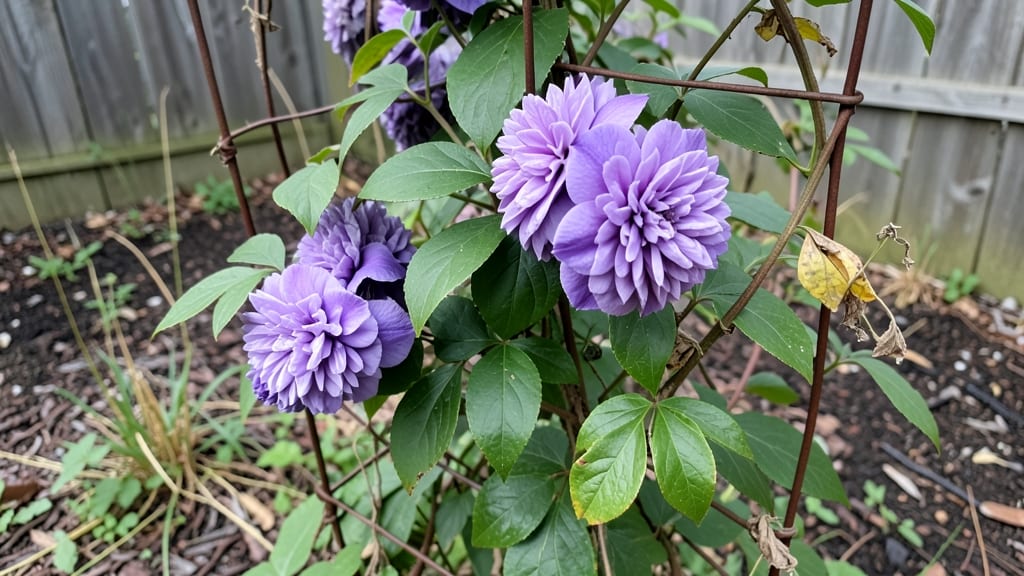
Double flowering clematis 🌸 can turn your garden into a dreamy, ever-blooming canopy—but only if you prune them the right way.
Picture this: You’ve spent months waiting for those lush, double-layered blooms to appear, only to find your vine looking ragged or producing sparse flowers. The secret?
Pruning at the right time and with the right technique makes all the difference between a thriving vine and a sad, leggy shadow of its potential.
These stunning climbers aren’t like your average garden plant—they bloom on old and new wood, which means their pruning needs are unique. Whether you’re a first-time gardener or a seasoned pro, knowing when to cut (and how much) will keep your clematis covered in flowers from spring to fall.
In this guide, I’ll walk you through the exact pruning steps, the best tools to use, and how to avoid the costly mistakes that leave your vine struggling. Let’s get those blooms back in full force!
Understanding double flowering clematis growth habits and pruning groups
Double flowering clematis—like the stunning Nelly Moser or Ernest Markham—belong to Pruning Group 3, meaning they bloom on both old and new wood. This unique growth habit sets them apart from other clematis varieties, requiring a specialized pruning approach to maximize their year-round floral displays.
Unlike Group 1 or 2 varieties, which rely solely on old or new wood, Group 3 clematis need careful timing to avoid sacrificing next year’s blooms.
The key to their success lies in understanding their two-phase growth cycle. They produce buds in late summer (for next year’s flowers) while also growing new stems that bloom in the current season.
If you prune too aggressively, you risk removing those critical dormant flower buds before they’ve had a chance to open. This is where the “eyes up” rule comes into play—a pruning principle that ensures you leave enough healthy growth to support future blooms.
Here’s why pruning timing matters: Late winter or early spring (just as new shoots emerge) is the ideal window for Group 3 clematis. Pruning too early can expose the plant to frost damage, while waiting too long may delay the season’s first blooms.
The goal is to shape the vine while preserving at least 3-5 pairs of eyes (buds) on each stem to guarantee next year’s flowers.
Another critical factor is the height of your cuts. Always prune just above a pair of healthy buds (eyes) that are facing outward on the stem. This ensures the new growth will spread away from the center, creating a fuller, more balanced vine.
For double flowering varieties, aim to leave 2-3 feet of old wood to support the dormant buds while encouraging vigorous new growth from the base.
Let’s break down the three key pruning groups to highlight why Group 3 requires special attention. While Group 1 (early bloomers like Alba) and Group 2 (late bloomers like Jackmanii) have straightforward pruning needs, Group 3’s dual blooming nature demands a balanced approach.
The table below compares their growth habits, pruning times, and ideal stem retention to help you visualize the differences.
Understanding these distinctions will help you avoid common mistakes, such as over-pruning or cutting into green stems that haven’t yet hardened off.
Double flowering clematis are forgiving but not indestructible—once you damage their dormant buds, you’re essentially sacrificing next year’s blooms for this year’s. With the right technique, however, you can enjoy continuous flowers from spring to fall and a robust display the following season.
Now, let’s dive into the summary table below to compare the growth habits, pruning groups, and key care differences for double flowering clematis versus other varieties. This will give you a clear, at-a-glance reference for making informed pruning decisions.
By mastering these growth habits, you’ll transform your clematis into a year-round blooming powerhouse, with vibrant flowers adorning your garden from early spring through late fall. The secret lies in patience, precision, and respecting the plant’s natural growth cycles.
Ready to put this knowledge into action? The next section will walk you through a step-by-step pruning guide tailored specifically for double flowering clematis, ensuring you cut with confidence and set your vine up for success.
🌸
| Pruning Group | Bloom Time | Pruning Time | Stems to Retain | Key Varieties |
|---|---|---|---|---|
| Group 1 (Early) | Spring only | Late winter (Feb-Mar) | 1-2 ft of old wood | Alba, Wyoming |
| Group 2 (Late) | Summer/fall only | Late winter/early spring | All stems removed | Jackmanii, Comtesse de Bouchaud |
| Group 3 (Double) | Spring & summer/fall | Late winter/early spring | 2-3 ft of old wood | Nelly Moser, Ernest Markham |
Note: Group 3 clematis require the most careful pruning to balance current-season blooms with next year’s growth.
As you can see, Group 3 clematis stand out with their dual blooming and the need to retain more old wood. This ensures the plant has enough energy to produce both current-season flowers and dormant buds for next year.
When pruning, always aim to leave 3-5 pairs of eyes on each stem, cutting just above a healthy outward-facing bud.
The “eyes up” rule is your best friend here
Step-by-step pruning guide for maximum blooms on double flowering varieties
Pruning your double flowering clematis is the key to unlocking their full potential. These stunning vines produce two blooms per stem instead of one, but they need precise cuts to thrive. The best time to prune is late winter or early spring, just as new growth begins.
This timing ensures you remove dead wood while preserving next year’s flower buds hidden in the stems.
Before you begin, gather your tools: sharp bypass pruners, gloves, and a disinfectant to prevent spreading disease. Always cut at a 45-degree angle just above a bud facing outward.
This "eyes up" technique promotes healthy growth and maximizes airflow, reducing fungal risks. Double flowering varieties (Group 3) are the most forgiving if pruned correctly, but mistakes can stunt their growth.
Step-by-Step Pruning Guide
- 1 Identify Dead Wood: Inspect stems for brown, brittle, or hollow sections. These are dead and should be removed entirely. Healthy stems are green or green-brown with a slight give when squeezed.
- 2 Cut Back Last Year’s Growth: Reduce two-thirds of the vine to just above a pair of healthy buds. This encourages new growth from the base, which will produce more blooms. Avoid cutting green stems—they’re this year’s flowers!
- 3 Shape the Vine: Trim side shoots to 6-8 inches long, leaving 3-5 buds on each. This creates a balanced shape and prevents overcrowding. Use your fingers to gently bend stems into your desired form before cutting.
- 4 Encourage New Growth: After pruning, apply a balanced fertilizer (5-10-10) to the soil. Water deeply to help the plant recover. New shoots will emerge from the base and along the remaining stems, setting the stage for abundant blooms by summer.
- 5 Mid-Season Maintenance: In late summer, trim any spent blooms and leggy growth. This redirects energy to the lower buds, ensuring a second flush of flowers before winter. Avoid heavy pruning after August—it can reduce next year’s blooms.
Safety is paramount when pruning. Always wear gloves to protect your hands from thorns and sap. Disinfect your tools with rubbing alcohol between cuts to prevent bacterial or fungal spread.
If you’re unsure whether a stem is dead or alive, make a small cut—healthy wood is green inside, while dead wood is brown and dry.
After pruning, monitor your clematis closely. New growth should appear within 2-3 weeks if conditions are right. If you notice yellowing leaves or stunted growth, adjust your watering or fertilizing routine.
Double flowering clematis thrive with consistent moisture and well-draining soil, so mulch around the base to retain humidity and regulate temperature.
With these steps, your double flowering clematis will reward you with vibrant, continuous blooms from early summer through fall. The secret lies in patience and precision—every cut shapes not just the vine, but the future of your garden’s floral masterpiece. 🌸