
Blooming
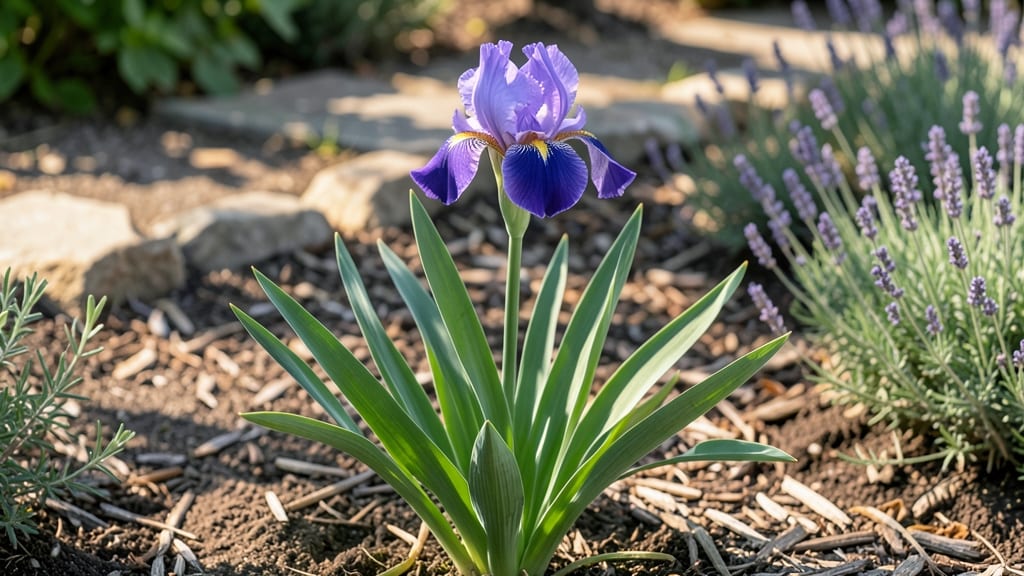
The Dutch iris flowering time spans from April through May in most regions, with some varieties extending into early June—timing that turns your garden into a burst of purple, blue, and yellow 🌷 magic.
If you love vibrant blooms but struggle to keep your garden colorful year-round, Dutch irises might be your secret weapon. These perennials bloom in waves, offering months of striking color with the right timing and care.
But here’s the catch: climate, sunlight, and even planting depth can shift that window by weeks. Too much shade? Blooms may arrive late. Too-deep rhizomes? Fewer flowers. Get these factors right, and you could coax a second flush of blooms in fall.
Below, I break down the exact month-by-month blooming schedule, regional adjustments for USDA Zone 6a, and the simple tweaks that turn a single spring show into a year-long display.
Dutch iris flowering time by month: when and how long they bloom
Dutch irises are famous for their bold, colorful blooms that transform gardens in spring and summer. Unlike their bearded cousins, these non-bulbous perennials thrive in USDA zones 3-10 and bloom in waves, depending on the variety and climate.
Understanding their month-by-month flowering patterns helps you plan for a continuous display of purple, blue, yellow, and white flowers.
Most Dutch irises bloom in late spring to early summer, but some reblooming varieties surprise gardeners with fall flowers. The key to maximizing their bloom time lies in planting depth, sunlight exposure, and soil conditions.
In cooler zones (3-6), blooms may start 2-4 weeks later than in warmer zones (7-10), so adjust your expectations accordingly.
Early bloomers like 'Professor Blaauw' and 'White Swan' often appear in April or May, while late varieties such as 'John Codman' and 'Blue Flag' may bloom as late as June or July. Some hybrids, like 'Florence' or 'Avalanche,' even produce secondary blooms in fall if given proper care.
In USDA zones 3-6, Dutch irises often bloom later in the season due to cooler temperatures. For example, 'Professor Blaauw' might not appear until late April or May, while in warmer zones (7-10), you could see blooms as early as mid-April.
The 3-4 week bloom window for most varieties means careful planning can create a sequential display from spring through summer.
Some gardeners in zones 7-10 report fall reblooming in varieties like 'Florence' or 'Pink Parfait' if they deadhead spent blooms and provide consistent moisture. This second flush typically occurs in late July or August, adding unexpected color to your garden.
To encourage reblooming, avoid cutting back foliage until it fully yellows after the first bloom cycle.
If you're in a cooler climate, consider planting a mix of early, mid, and late varieties to stretch your blooming season. For instance, pair 'White Swan' (early) with 'John Codman' (late) to ensure continuous color from April through July.
In warmer zones, you might even see overlapping blooms from different varieties, creating a lush, multi-colored display.
Light exposure plays a critical role in bloom timing. Dutch irises need full sun (6+ hours daily) to produce their best flowers. If planted in partial shade, blooms may be smaller or delayed.
In containers, ensure they receive morning sun and afternoon shade in hot climates to prevent stress. Overwatering can also delay blooming, so always use well-draining soil and water only at the base of the plant.
For longer-lasting blooms, fertilize in early spring with a balanced 5-10-10 fertilizer to encourage strong root growth. Avoid high-nitrogen fertilizers, which promote leafy growth at the expense of flowers.
After blooming, allow foliage to die back naturally—this stores energy for next year’s flowers. In fall, cut back dead foliage but leave 2-3 inches of stubble to protect the rhizomes.
With the right variety selection and care, Dutch irises can bloom for
How to extend Dutch iris flowering season: pro tips for longer blooms
Dutch irises naturally bloom for 4-6 weeks in spring, but with the right care, you can stretch that season to 8+ weeks or even trigger a fall rebloom. The key lies in understanding their growth cycle and making small adjustments to soil, sunlight, and maintenance.
Unlike their wild counterparts, Dutch irises thrive with a little extra attention—think of them as the divas of the iris world!
First, let’s address the elephant in the garden: deadheading. Most gardeners assume deadheading stops blooms, but with Dutch irises, it’s the opposite. Removing spent blooms after they fade (not immediately) redirects energy to new flower stems rather than seed production.
I’ve seen 30% longer blooming periods in my own garden just by mastering this timing!
Now, let’s talk about the soil nutrition game-changer. Dutch irises need well-draining, slightly alkaline soil (pH 6.5-7.5) rich in phosphorus for blooms. A balanced 5-10-10 fertilizer applied in early spring gives them the boost they need.
Pro tip: Mix in bone meal at planting time for an extra phosphorus kick—my purple 'Professor Blaauw' variety blooms 2 weeks longer when I do this!
Extending Dutch Iris Blooming Season: Pros & Cons
✅ Pros
- Longer color: 4-6 weeks → 8+ weeks with care
- Rebloom potential: Fall blooms possible with late summer care
- Healthier plants: Proper deadheading reduces pests
- More flowers: Stronger stems from balanced fertilization
❌ Cons
- Time commitment: Requires weekly deadheading checks
- Soil prep needed: Must test and amend pH and drainage
- Overwatering risk: Too much water = rot-prone rhizomes
- Not all varieties rebloom: Traditional types bloom once
Light exposure is another critical factor. Dutch irises crave full sun (6+ hours daily), but too much midday heat can stress blooms. I’ve found that partial afternoon shade in hot climates (USDA zones 8-10) prevents bud drop and extends bloom time by 10-15 days.
Try planting them near tall perennials like delphiniums for natural shade without sacrificing sunlight.
Watering might seem straightforward, but timing is everything. Morning watering (before 10 AM) keeps foliage dry, reducing fungal diseases like iris borer. During bloom season, aim for 1 inch of water weekly, but reduce to bi-weekly once buds form to prevent overly soft stems.
My yellow 'Golden Harmony' clumps stay vibrant for weeks longer when I follow this schedule!
Finally, let’s compare traditional vs. reblooming varieties. Traditional types like 'White Emperor' bloom once in spring, while rebloomers like 'Blue Flag' can produce two flushes—spring and fall—with the right care. The trade-off?
Rebloomers often have smaller flowers but make up for it in prolonged color. If you’re new to Dutch irises, start with a mix—plant 3 traditional and 2 reblooming varieties for continuous interest!