
Shrubs
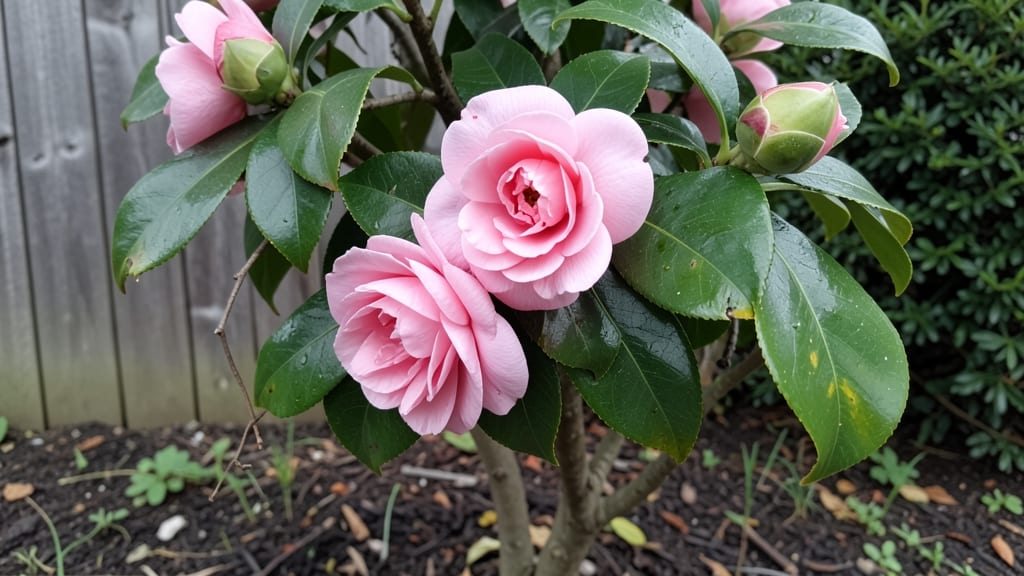
An evergreen flowering hedge brings both privacy and color to your garden all year 🌿 — no seasonal trade-offs required.
Tired of dull, monotonous hedges that only provide privacy without adding beauty? These plants combine lush greenery with stunning blooms, creating a vibrant garden focal point that thrives in USDA Zone 6a and beyond. Unlike traditional hedges, they don’t sacrifice aesthetics for function.
Whether you're looking to define property lines, create a natural screen, or add seasonal interest to borders, evergreen flowering hedges deliver year-round impact. Popular varieties like Camellia, Abelia, and Hydrangea offer different heights, bloom times, and colors to match any design style.
Below, I’ll walk you through selecting the perfect variety for your space, planting tips for long-term success, and creative ways to use them as both privacy screens and stunning accents. Ready to transform your garden?
Best evergreen flowering hedge plants for year-round color
If you dream of a privacy hedge that never loses its charm, evergreen flowering hedges deliver lush foliage AND seasonal blooms. Unlike traditional evergreens that fade into green monotony, these beauties offer pink, white, red, and purple flowers that brighten your garden from spring through fall.
My top picks combine hardy growth with low-maintenance care, perfect for busy gardeners who still want curb appeal.
Choosing the right hedge depends on your climate zone, desired height, and sunlight exposure. Some thrive in hot, humid climates while others handle cold winters with ease.
Below, I’ve compared the best performers—including Camellia, Abelia, Weigela, and Hydrangea—so you can pick the perfect fit for your landscape. Each offers unique bloom colors, growth habits, and hardiness zones to match your garden’s needs.
| Plant | Bloom Season | Mature Height | Hardiness Zones | Sunlight Needs | Best For |
|---|---|---|---|---|---|
| Camellia | Fall-Winter | 6–12 ft | 7–9 | Partial Shade | Southern gardens, formal hedges |
| Abelia | Summer-Fall | 3–6 ft | 6–9 | Full Sun to Partial Shade | Low-maintenance screens, borders |
| Weigela | Spring-Summer | 5–10 ft | 4–8 | Full Sun | Wildlife gardens, pollinator-friendly |
| Hydrangea (Oakleaf) | Summer-Fall | 4–8 ft | 5–9 | Partial Shade | Shade gardens, seasonal color |
Camellias steal the show in winter gardens with their rosy-pink blooms that last through cold months. They’re ideal for southern climates (zones 7–9) and thrive in partial shade, making them perfect for formal hedges or privacy screens. Just remember: they need acidic soil (pH 5.0–6.0) to flourish, so test your soil before planting.
For low-maintenance lovers, Abelia is a game-changer. This semi-evergreen shrub blooms from summer to fall with tubular pink or white flowers and keeps its leaves year-round in milder climates.
It handles full sun to partial shade and tolerates drought once established, making it a hardy choice for zones 6–9. My go-to variety is 'Kaleidoscope', which sports variegated foliage for extra visual interest.
Weigela is the pollinator magnet of the group, attracting hummingbirds and butterflies with its trumpet-shaped blooms in pink, red, or white. Unlike other hedges, it blooms on new wood, so you can prune it anytime without sacrificing flowers. It’s tough enough for zones 4–8 and loves full sun, making it a versatile pick for northern gardens or sunny borders.
If you crave seasonal color shifts, Oakleaf Hydrangea delivers with white summer blooms that turn deep pink or red in fall. Its leathery, oak-shaped leaves add texture, and it thrives in partial shade—ideal for woodland gardens or shady borders.
This zone 5–9 beauty also handles humidity well, making it a top pick for eastern U.S. gardens.
When selecting your hedge, consider mature size to avoid overcrowding. For example, Camellias can reach 12 feet tall, while Abelia stays compact at 3–6
How to plant and maintain evergreen flowering hedges for maximum blooms
Transforming your garden into a year-round floral masterpiece starts with planting evergreen flowering hedges correctly. These beauties thrive when given the right conditions, and with proper care, they’ll reward you with vibrant blooms and lush foliage.
The key lies in understanding their soil needs, light requirements, and pruning schedule—all of which I’ll break down step-by-step to ensure your hedges flourish.
Before diving into planting, let’s address the foundation: soil preparation and planting location. Evergreen flowering hedges like Camellia or Abelia demand well-draining, slightly acidic soil (pH 5.0–6.5) to prevent root rot while encouraging robust growth.
If your soil is heavy clay, amend it with compost or organic matter to improve aeration. Planting in full sun to partial shade (6+ hours of sunlight) maximizes blooms, but avoid harsh afternoon sun in hot climates.
-
Step 1: Choose the Right Spot
Select a location with 6+ hours of sunlight and protection from strong winds. Evergreen hedges need space—plant 2–3 feet apart for dwarf varieties or 4–6 feet for standard sizes. -
Step 2: Dig and Amend the Soil
Dig a hole twice as wide as the root ball but no deeper. Mix compost or peat moss into native soil to ensure acidic, well-draining conditions. Avoid compacting the soil around roots. -
Step 3: Plant with Care
Place the plant so the root flare (where roots meet stem) sits just above soil level. Backfill with amended soil, tap gently to remove air pockets, and water deeply to settle roots. -
Step 4: Mulch for Moisture
Apply 2–3 inches of mulch (pine bark or shredded leaves) around the base, keeping it 2 inches away from the trunk to prevent rot. Mulch retains moisture and regulates soil temperature. -
Step 5: Water Consistently
Water deeply 2–3 times per week for the first month, then reduce to weekly deep watering once established. Avoid overwatering—soggy soil leads to root disease.
Once planted, pruning is the secret to encouraging maximum blooms. Prune right after flowering (spring or early summer) to shape your hedge and promote dense, bushy growth. Use clean, sharp shears to make angled cuts just above a leaf node.
For varieties like Camellia, avoid heavy pruning—they bloom on old wood, so light shaping is best.
Seasonal care keeps your hedges thriving year-round. In spring, fertilize with a balanced 10-10-10 formula to fuel new growth. During summer, monitor for pests like aphids or scale—spray with neem oil if needed.
In fall, reduce watering but apply a light mulch to insulate roots. Winter care is minimal: protect young plants with burlap wraps in freezing climates, and avoid pruning until new growth appears in spring.
With these steps, your evergreen flowering hedge will become a showstopping focal point that blooms beautifully and provides privacy without sacrificing aesthetics. The key is consistency—proper planting, regular pruning, and seasonal adjustments will keep your hedge lush and vibrant for years to come. 🌷