
Flowers
Fall flower beds bring warmth and charm to gardens when summer blooms fade. These 10 seasonal plant combinations thrive in cool climates, offering vibrant colors, fragrance, and low-maintenance beauty that lasts through autumn’s crisp air.
Goldenrod and Black-Eyed Susan Mix
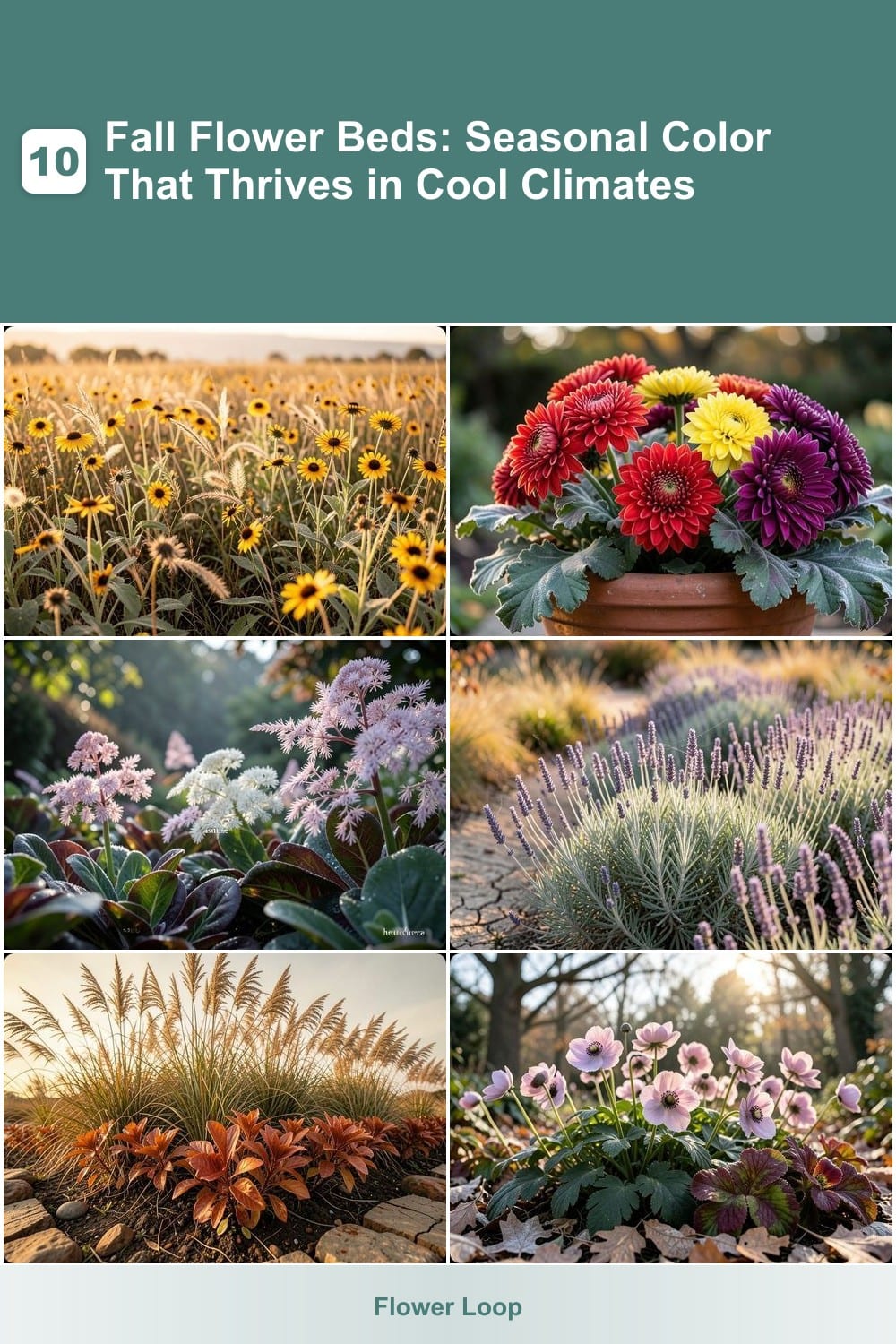
Skip the high-maintenance fall blooms—this goldenrod and Black-Eyed Susan mix thrives on neglect while keeping your garden buzzing with life. Both plants are drought-tolerant once established, making them perfect for sunny borders or wildflower meadows where water conservation matters.
Plant goldenrod (with its cheerful yellow plumes) alongside Black-Eyed Susans (those iconic orange daisy-like blooms) for a late-summer-to-fall show that pollinators adore. They handle poor soil and minimal care, reblooming reliably year after year with just occasional deadheading. Space them 12–18 inches apart for a natural, meadow-like effect.
This duo is ideal for gardeners who want low-effort beauty without sacrificing impact—especially in sunny, dry climates where other flowers wilt. 🌻
Mums and Ornamental Kale Combo
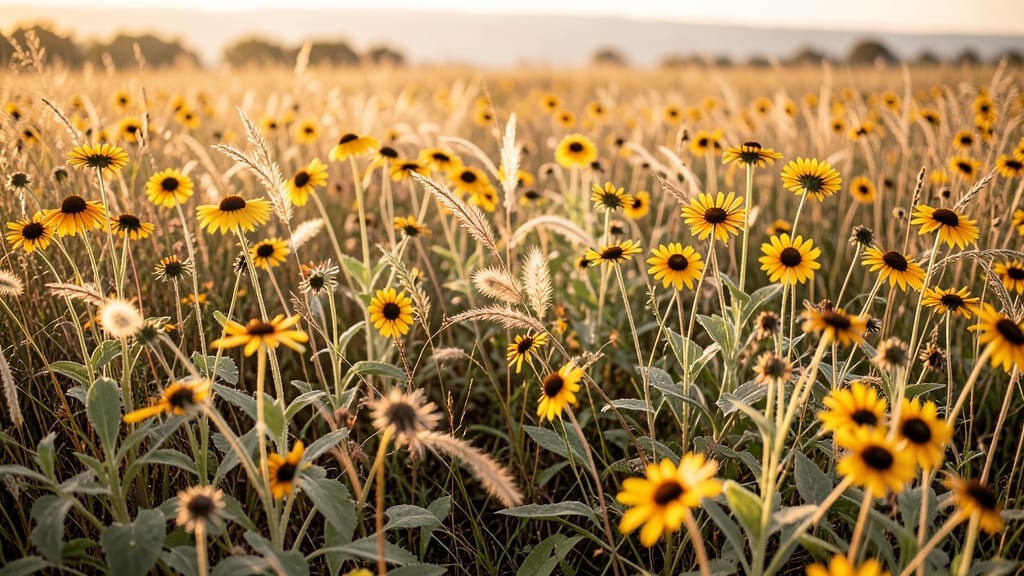
Looking for a fall combo that thrives in partial shade and even tolerates light frost? Pair mums with ornamental kale for a striking, low-maintenance display that works perfectly in containers or along garden edges.
The bold blooms of mums—available in fiery reds, sunny yellows, and deep purples—create instant color, while ornamental kale adds textural contrast with its ruffled, frost-kissed leaves in shades of blue, pink, or lime. Both plants love partial shade (3-6 hours of sunlight) and can handle temperatures down to 25°F, making them ideal for autumn’s cooler days.
Urban gardeners and small-space lovers will appreciate how this duo fits into tight spots, while cottage garden enthusiasts can use it to create cozy, textured borders. Just keep the soil well-draining, and you’ll enjoy vibrant color well into winter. 🌻
Astilbe and Heuchera Autumn Palette
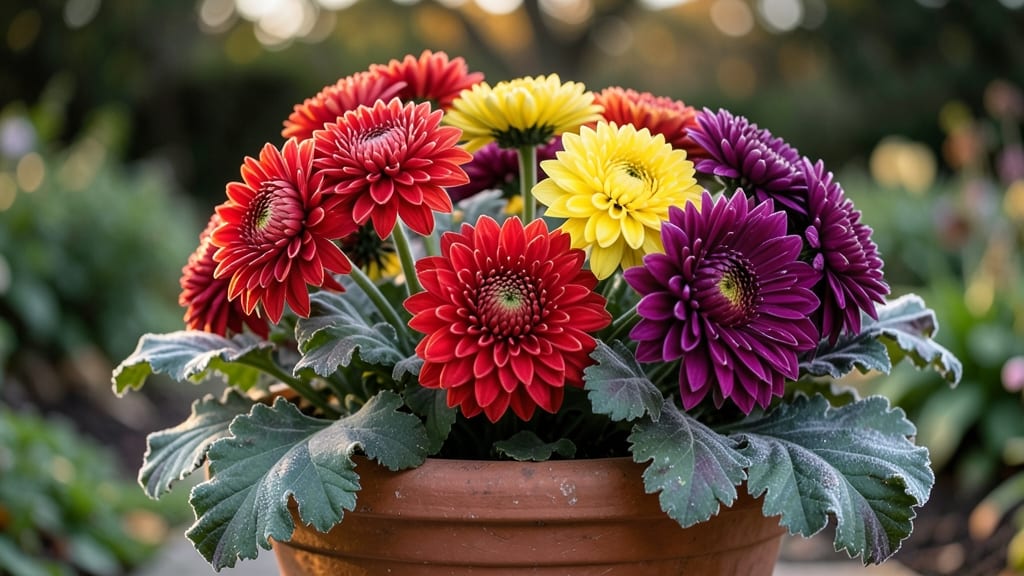
Turn those tricky, shady corners of your garden into a fall foliage showstopper with astilbe and heuchera—two moisture-loving perennials that thrive where others fail. Their feathery plumes and velvety leaves create a textured autumn palette that lasts from late summer through frost, even in low-light conditions.
Plant astilbe (with its airy pink, white, or red plumes) alongside heuchera (deep burgundy, lime green, or silver foliage) for a three-season display. Keep soil consistently moist but well-drained—these plants despise drought but reward you with bold color contrast that shines in dappled shade. Mulch with shredded bark to retain moisture and suppress weeds, making this combo ideal for urban gardens, woodland edges, or understory plantings.
This pairing is perfect for gardeners with shady spots who want low-maintenance drama without the fuss of sun-loving annuals. The heuchera’s evergreen foliage even adds winter interest, keeping your garden vibrant long after summer blooms fade. 🌿
Russian Sage and Lavender Border
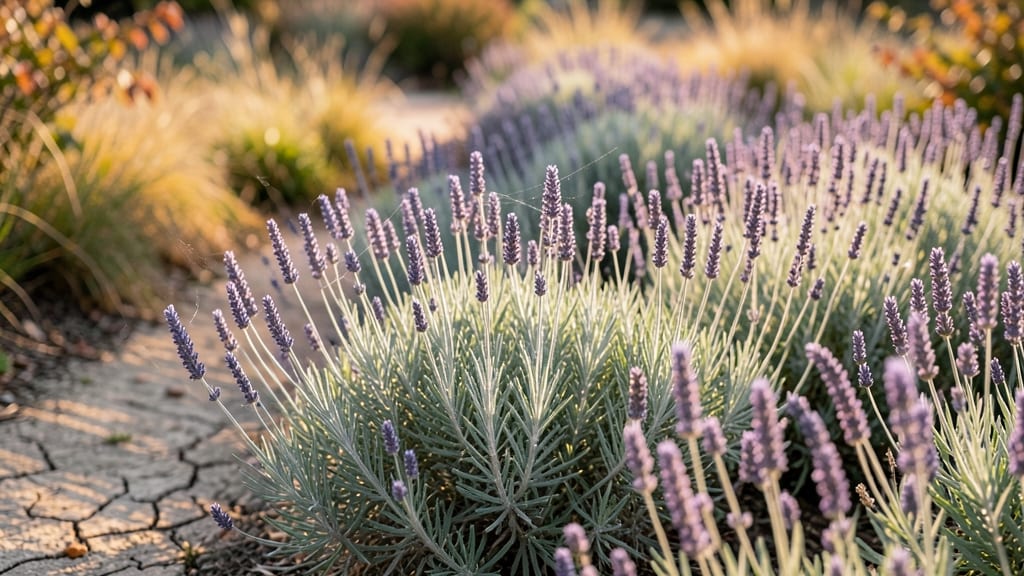
Skip the high-maintenance fall borders—this Russian sage and lavender combo delivers silvery-blue and lavender hues while thriving on neglect. Their fragrant foliage repels pests naturally, making it a zero-fuss solution for sunny, dry areas where other plants wilt.
Plant Russian sage (Perovskia atriplicifolia) at the back for its airy, 3-4 foot spikes, then tuck lavender (Lavandula) in front for its compact, fragrant blooms. Both love full sun and well-draining soil, and once established, they need water only every 2-3 weeks—perfect for beginners or busy gardeners.
This duo works beautifully in urban gardens, cottage borders, or as a low-water hedge. The dual fragrance and pest-repelling properties make it a standout for anyone craving low-effort beauty that lasts well into fall. 🌿
Copperleaf and Switchgrass Prairie Mix
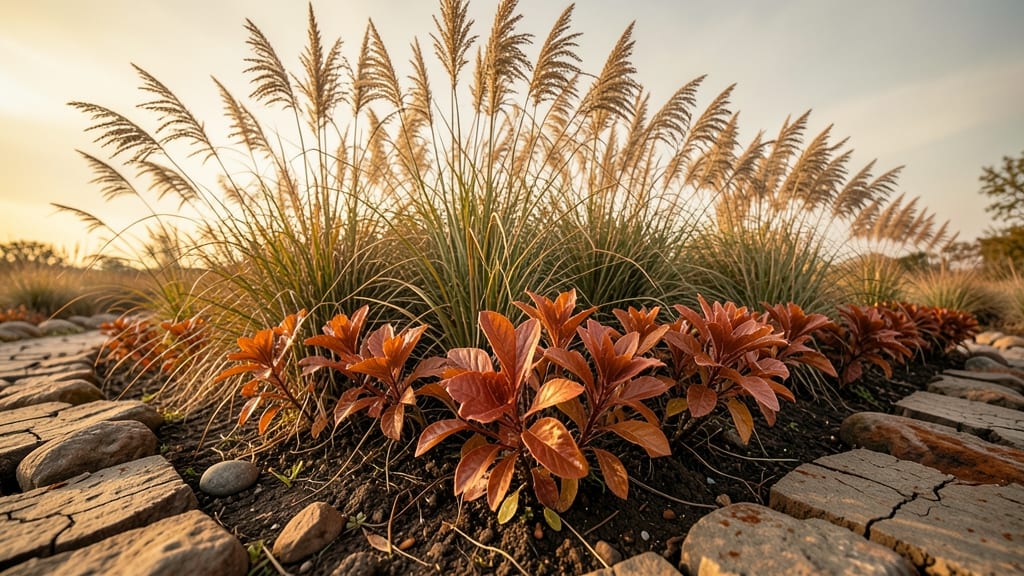
Skip the soil amendments and fertilizers—this prairie-inspired mix thrives in poor, rocky, or clay-heavy soil while still delivering showstopping color. The copperleaf (Acalypha odorata) transforms into a fiery copper-red in fall, while switchgrass (Panicum virgatum) adds 4-6 feet of airy vertical movement that sways in the breeze.
Plant in full sun to partial shade with no extra watering once established—these natives handle drought like pros. For modern landscapes, group in odd-numbered clumps (3 or 5 plants) to create natural focal points. The switchgrass also provides winter interest with its seed heads.
Perfect for urban gardeners, pollinator-friendly spaces, or low-maintenance borders—this mix needs almost no upkeep but delivers year-round structure and autumn drama. 🌻
Japanese Anemone and Coral Bells
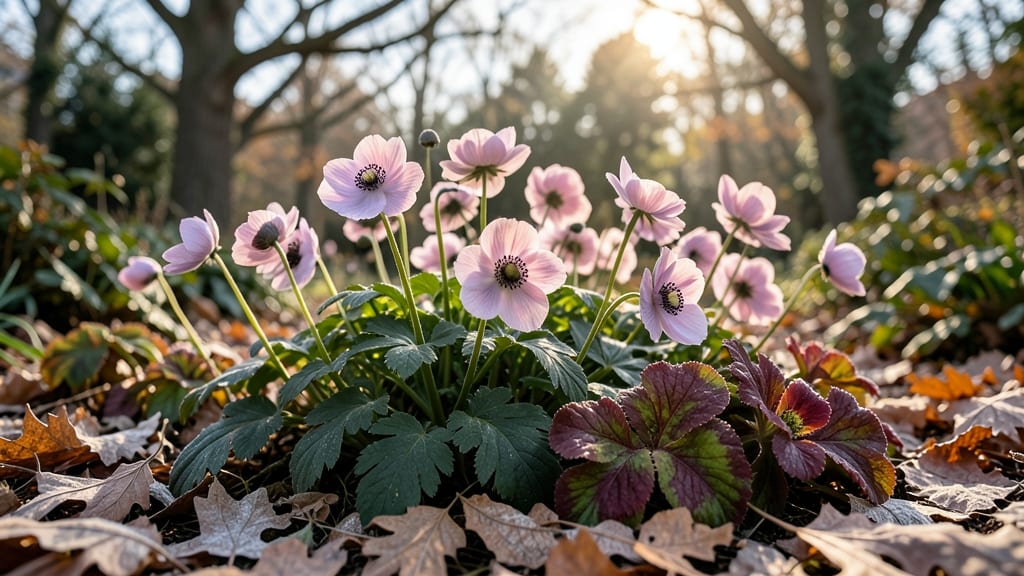
When most gardens fade into dormancy by October, Japanese anemone (Anemone × hybrida) and coral bells (Heuchera spp.) defy the trend by bursting into soft pink blooms and velvety foliage that lasts well into November. These underused stars thrive where others struggle—under the canopy of trees or in dappled shade where sunlight filters through leaves like a watercolor wash.
Plant Japanese anemone in partial to full shade with moist, well-draining soil, and watch its delicate, cup-shaped flowers rise on wiry stems from late summer through fall. Pair it with coral bells, which offer year-round interest: their chartreuse, purple, or deep bronze leaves provide vibrant contrast even when anemones fade. Both are low-maintenance perennials that multiply over time, creating lush ground cover without demanding constant attention.
This duo is a game-changer for gardeners with woodland gardens, shaded borders, or urban courtyards where sunlight is limited. Their late-season blooms also attract butterflies and add a dreamy, ethereal touch to autumn weddings or photoshoots. 🌷
Sunflower and Zinnia Cutting Garden
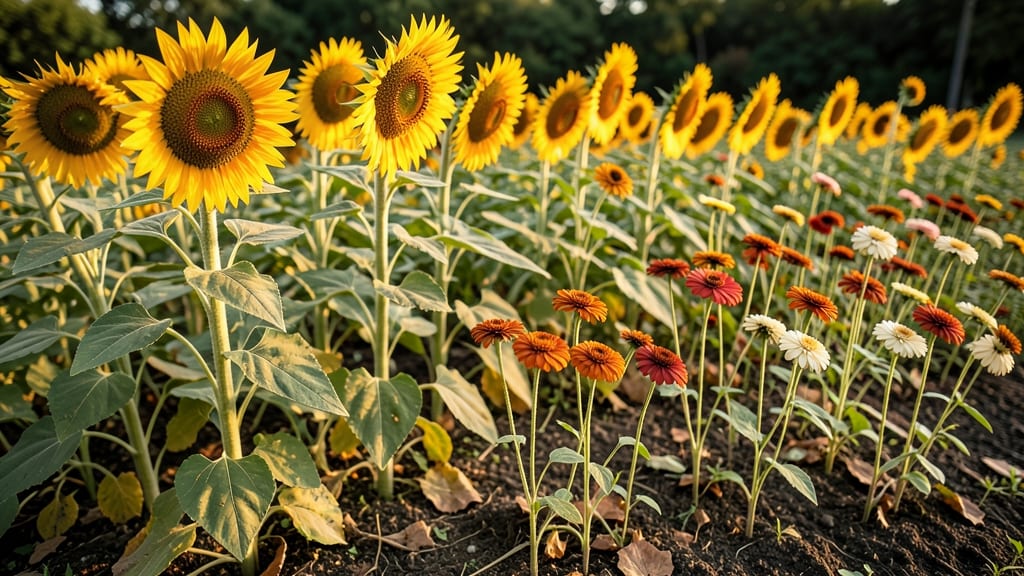
Want a cutting garden that’s as easy to grow as it is rewarding? Sunflowers and zinnias deliver endless bouquets from early summer through fall—no greenhouse or fancy skills required. These cheerful annuals thrive in full sun and even tolerate slightly poor soil, making them ideal for beginners or urban gardeners with limited space.
Plant sunflowers (like the compact ‘Moulin Rouge’ or towering ‘Russian Giant’) alongside zinnias (try ‘Benary’s Giant’ for bold blooms) in clusters for maximum impact. Deadhead spent blooms to encourage nonstop flowering, and watch bees and butterflies flock to your garden. A single 5-foot-tall sunflower can provide weeks of stems for arrangements, while zinnias add vibrant pops of red, orange, or yellow to vases.
This duo is perfect for small yards, balconies, or even containers—just ensure they get at least 6 hours of sun daily. With minimal care, you’ll enjoy fresh-cut flowers while supporting pollinators. 🌻
Frosted Euonymus and Witch Hazel
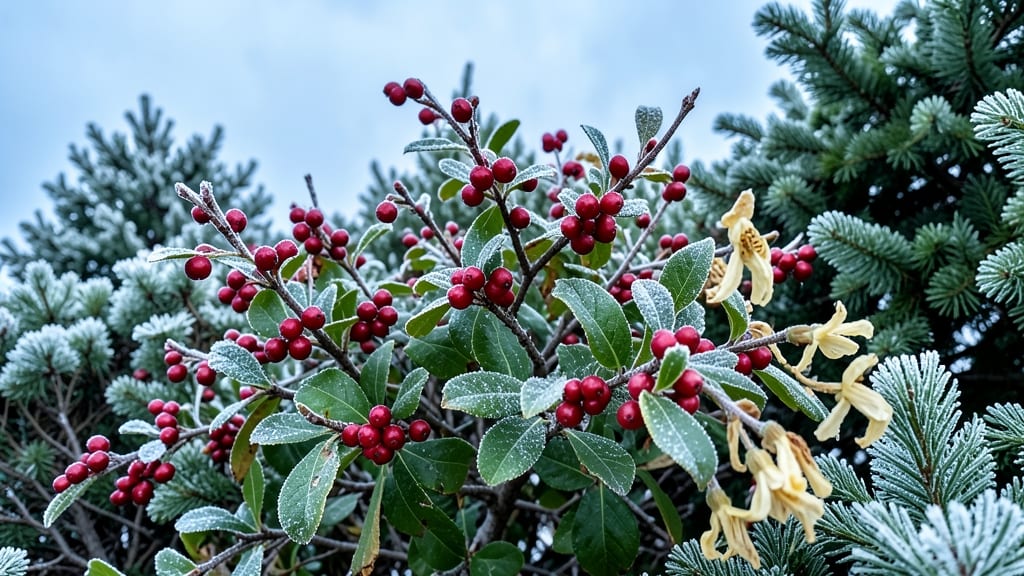
When most gardens fade into dormancy, frosted euonymus and witch hazel become your winter superstars—offering bold color and structure when it matters most. These two plants deliver fiery red berries and delicate yellow blooms that defy the cold, making them perfect for year-round mixed borders.
Euonymus (like Euonymus alatus) turns brilliant red in fall, holding its color through winter until birds feast on its berries. Pair it with witch hazel (Hamamelis), which blooms in late winter, providing early spring color when few other plants are awake. Both thrive in partial shade and well-drained soil, with witch hazel tolerating colder climates down to Zone 4.
This duo is ideal for gardeners who want low-maintenance structure without sacrificing seasonal interest. Plant them together for a striking contrast that keeps your borders vibrant from autumn through early spring. 🌟
Dahlias and Calendula Pollinator Haven
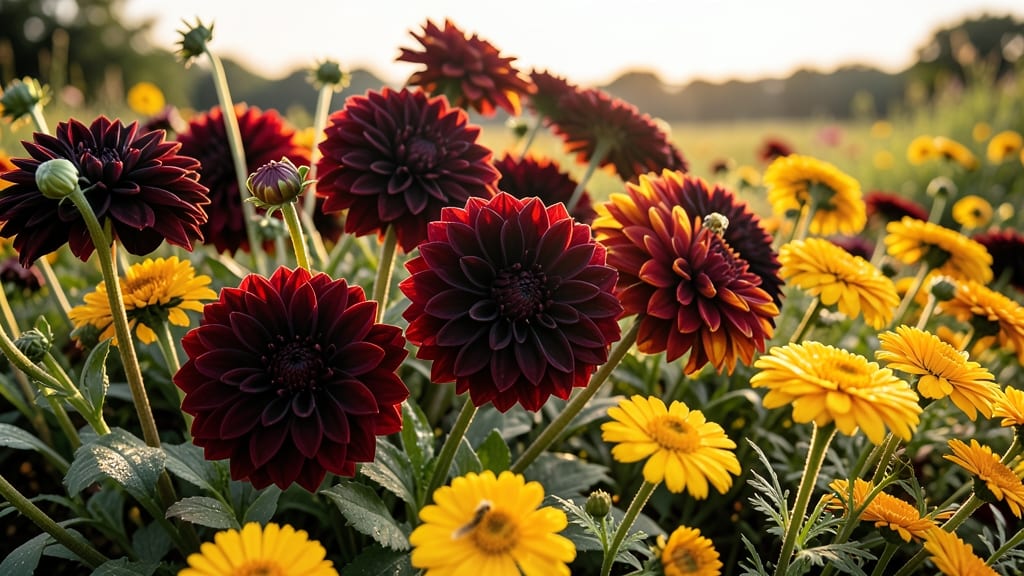
Transform your late-summer garden into a buzzing pollinator paradise with dahlias and edible calendula—a dynamic duo that thrives in full sun while supporting bees, butterflies, and hummingbirds. The bold, layered blooms of dahlias (in deep reds, blacks, or fiery oranges) create dramatic focal points, while calendula’s bright orange petals add cheerful contrast and attract beneficial insects with their nectar-rich flowers.
Plant tuberous dahlias (like ‘Café au Lait’ or ‘Karma Choc’) in well-draining soil enriched with compost, spacing them 18–24 inches apart for sturdy stems. Interplant with calendula, which self-seeds easily and tolerates light trimming to encourage bushier growth. Water consistently (1–2 inches per week) to keep dahlias thriving, and watch as pollinators flock to both plants—calendula even repels pests like aphids, protecting your dahlias naturally.
This combo is perfect for urban gardeners, pollinator advocates, or cut-flower enthusiasts—calendula’s petals are edible (add to salads!) and dahlias provide long-stemmed blooms for arrangements. Plant in mixed borders, containers, or along fences to maximize their impact while giving wildlife a late-season feast. ✨
Winterberry Holly and Sedum Roof Garden
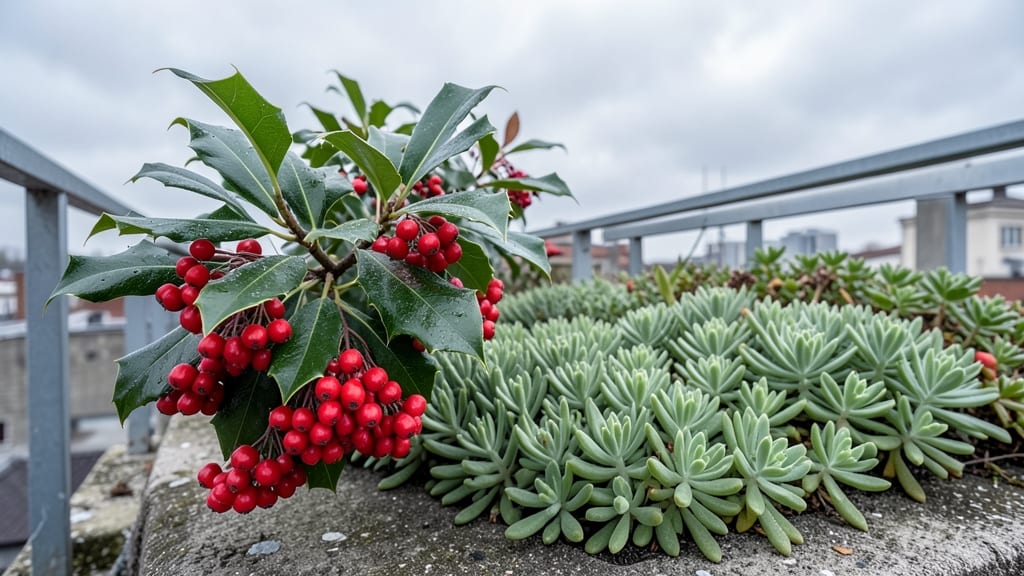
Bring urban rooftops and small balconies to life with a winterberry holly (Ilex verticillata) and sedum combo that thrives where most plants fail. These drought-tolerant stars produce vibrant red berries (on female winterberry) from late fall through winter, long after other gardens have gone dormant, while sedum’s silvery-blue foliage adds texture and contrast.
Plant winterberry holly in full sun to partial shade with well-draining soil, and pair it with succulent sedum (like ‘Autumn Joy’ or ‘Angelina’) for a low-water, high-impact display. Use large containers with drainage holes to prevent root rot, and fertilize lightly in spring. The holly’s berries also attract birds, making this combo both beautiful and ecologically beneficial.
Perfect for urban gardeners, rooftop terraces, or small-space enthusiasts, this duo delivers year-round interest with minimal effort. The sedum’s drought resistance and winterberry’s berries ensure your garden stays lively even in the coldest months. 💚