
Fertilization
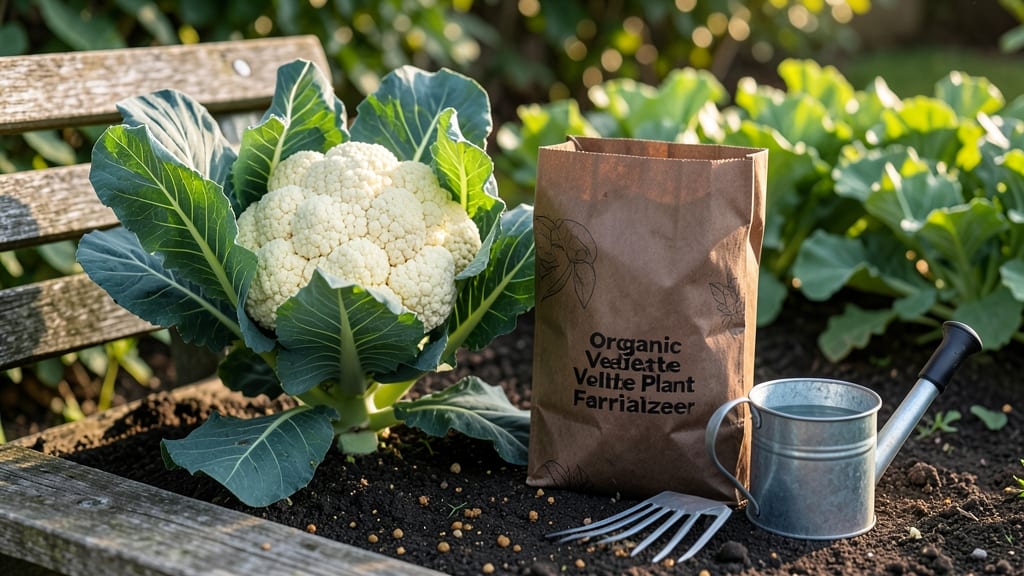
Cauliflower thrives with the right fertilizer blend—one that balances nitrogen, phosphorus, and potassium for those tight, creamy curds you crave.
Struggling to grow cauliflower with those loose, bitter curds instead of tight, creamy heads? The secret lies in mastering the perfect fertilizer balance—and most gardeners get it wrong.
Too much nitrogen sends your plants sky-high with lush leaves but no head, while too little potassium leaves those curds tough and bitter. The sweet spot is a 5-10-10 ratio, adjusted for your soil and growth stage.
Below, I break down how to choose the best fertilizer (organic vs. synthetic), when to apply it, and how to spot nutrient deficiencies before they ruin your harvest.
Nitrogen-potassium ratio breakdown for optimal cauliflower growth
Growing perfect cauliflower starts with understanding the N-P-K ratio—the balance of nitrogen (N), phosphorus (P), and potassium (K)—because each nutrient plays a critical role at different stages.
Too much nitrogen can lead to lush leaves but poor head formation, while potassium deficiency might cause weak stems or yellow edges. Let’s break down the science behind the ratios and how to adjust them for each growth phase.
The key to cauliflower success is shifting your fertilizer focus as the plant matures. Seedlings need more nitrogen for leafy growth, but as the head forms, potassium becomes essential for structural strength and disease resistance.
Ignoring this shift often results in loose, bitter curds or stunted plants. Let’s dive into the exact ratios and adjustments you need at every stage.
🌱 Did You Know? Cauliflower is a heavy feeder, meaning it requires 2-3 times more nutrients than many other vegetables. A soil test before planting can save you from guessing—and costly mistakes.
| Growth Stage | N-P-K Ratio | Key Nutrient Focus | Adjustments for Deficiencies |
|---|---|---|---|
| Seedling (0-4 weeks) | 10-5-5 | High nitrogen for leaf growth | Yellow leaves? Add nitrogen-rich fertilizer like fish emulsion. |
| Vegetative (4-8 weeks) | 5-10-10 | Balanced phosphorus for root development | Purple stems? Boost phosphorus with bone meal. |
| Head Formation (8-12 weeks) | 3-8-12 | High potassium for head firmness | Weak stems? Use potassium sulfate or wood ash. |
| Final Flush (12-16 weeks) | 2-5-10 | Moderate potassium for flavor and texture | Bitter taste? Reduce nitrogen and add potassium. |
At the seedling stage, your cauliflower needs a 10-5-5 ratio to encourage robust leaf growth. This means nitrogen is prioritized, but don’t overdo it—excess nitrogen leads to leafy monsters with no heads.
Use a balanced starter fertilizer like 5-5-5 or a compost tea to kickstart growth without burning young roots.
When your plants reach the vegetative stage (4-8 weeks), shift to a 5-10-10 ratio. This increase in phosphorus supports root development and prepares the plant for head formation.
If you notice purple stems or slow growth, your soil might be phosphorus-deficient. A quick fix is to work in bone meal or a phosphorus-rich fertilizer like 0-20-0.
During head formation (8-12 weeks), the magic happens with a 3-8-12 ratio. Here, potassium takes center stage to ensure the head stays firm, tight, and disease-resistant. Weak stems or yellowing edges on leaves?
These are classic signs of potassium deficiency. Try a potassium sulfate or mix in wood ash (if your soil isn’t alkaline already) to boost levels.
The final flush (12-16 weeks) calls for a 2-5-10 ratio, focusing on potassium to enhance flavor and texture. Avoid high-nitrogen fertilizers now—they’ll cause the plant to produce more leaves instead of a tight, creamy head.
If your cauliflower tastes bitter, it’s likely over-fertilized with nitrogen at this stage. Cut back and let the plant focus on head maturation.
💡 Pro Tip: Always water your cauliflower deeply after fertilizing to prevent root burn. And remember, organic options like compost or fish emulsion release nutrients slowly, reducing the risk of over-fertilization while improving soil structure.
Adjusting your N-P-K ratio at each stage isn’t just about avoiding deficiencies—it’s about optimizing flavor, texture, and yield. By following this breakdown, you’ll go from loose, bitter curds to tight, creamy heads every time. Happy growing!
Organic vs synthetic fertilizers for cauliflower: pros, cons, and best choices
Choosing the right fertilizer for cauliflower can make the difference between loose, bitter curds and those perfect, tight heads you crave. Both organic and synthetic fertilizers have their place, but understanding their unique benefits—and drawbacks—will help you decide what works best for your garden.
Let me break down the key differences so you can grow cauliflower like a pro.
Cauliflower thrives when fed a balanced NPK ratio (like 5-10-10), but the source of those nutrients matters. Organic fertilizers like compost or fish emulsion build soil health over time, while synthetic options deliver quick, precise nutrition.
Each has trade-offs—organic options are gentler but slower, while synthetics work fast but can disrupt soil ecosystems if overused.
Organic Fertilizers for Cauliflower
Pros
- Improves soil over time
- Gentler on plants, fewer burn risks
- Enhances flavor and texture
- Cost-effective for long-term use
Cons
- Slower results (weeks to months)
- Harder to measure exact nutrients
- Can attract pests if not composted properly
Best Organic Options
- Compost – Best for soil prep (1-2 inches mixed in)
- Fish emulsion (5-5-5) – Quick organic boost (1 tbsp per plant)
- Well-rotted manure (chicken or cow) – Nutrient-rich but use sparingly
Synthetic Fertilizers for Cauliflower
Pros
- Fast-acting (visible results in days)
- Precise nutrient ratios (easy to control)
- Great for quick fixes (e.g., yellowing leaves)
Cons
- Can burn plants if overapplied
- No soil benefits long-term
- Higher cost for frequent use
Best Synthetic Options
- 10-10-10 All-Purpose – Balanced for growth (1 tbsp per plant)
- 5-10-10 (higher phosphorus) – Best for head formation (use during flowering)
- Kelp meal – Boosts potassium for firm heads (1 tsp per plant)
For organic gardeners, I recommend starting with compost and fish emulsion. These improve soil structure while providing steady nutrients. My go-to brand is Dr. Earth Organic 5-5-5—it’s gentle yet effective.
For synthetic lovers, a 10-10-10 blend like Miracle-Gro All Purpose works well, but always follow the label to avoid overfeeding.
Pro tip: Mix both! Use organic matter at planting (compost) and a light synthetic feed during head formation (like 5-10-10). This gives you the best of both worlds—soil health and quick nutrient delivery. Just remember, cauliflower hates excess nitrogen—it’ll make your plants leafy but won’t form tight heads.
If you’re still unsure, test your soil first. A simple pH test (aim for 6.0-7.0) and nutrient analysis will tell you exactly what your cauliflower needs. Trust me, a little prep work now saves headaches later when your curds turn out perfect—creamy, firm, and ready for the table! 🥬