
Flowers
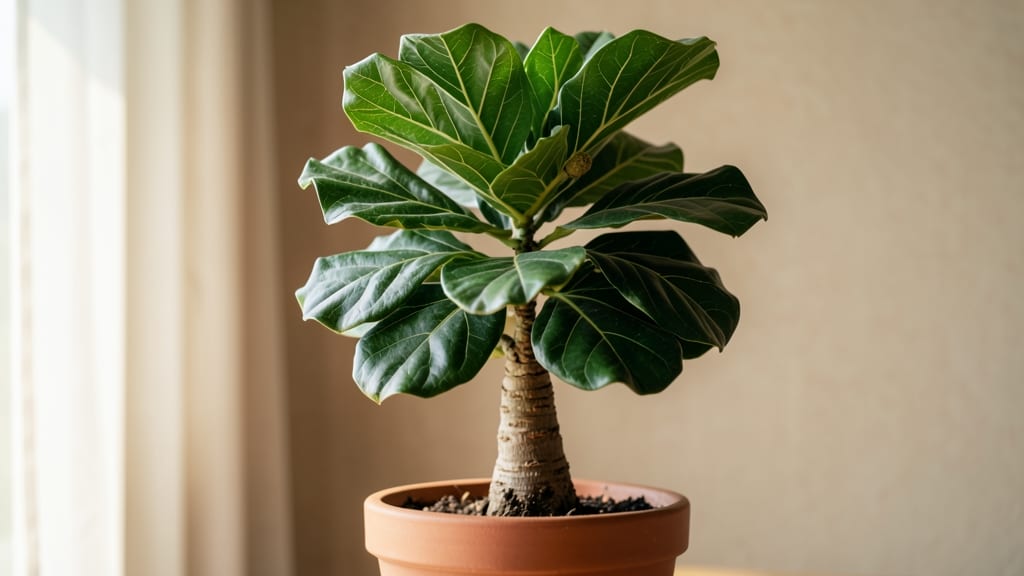
To coax a Ficus macrophylla flower from your towering Moreton Bay fig 🌳, you’ll need to think like a tropical storm—because this tree doesn’t bloom on a whim.
Most gardeners give up after years of waiting, assuming these giants are one-way tickets to foliage-only glory. But the secret? A mix of strategic stress, seasonal timing, and a little patience can turn that lush canopy into a rare floral spectacle.
Here’s the game-changer: flowering isn’t just about luck—it’s about mimicking the tree’s natural triggers, from light shifts to root signals. Whether you’re growing yours in USDA Zones 10-11 or a container in cooler climates, these proven methods will help you unlock its blooming potential.
You’ll learn the exact conditions to create, how to read your tree’s signals, and what to expect when those elusive flowers finally appear—plus how to keep them coming back year after year.
How to trigger Ficus macrophylla flowering: 5 proven methods
The Ficus macrophylla, or Moreton Bay fig, is a tropical showstopper that typically refuses to flower in cultivation—but its rare blooms are worth the effort. These flowers appear only when the tree receives specific environmental cues, mimicking its native tropical conditions.
Understanding these triggers can transform your non-flowering giant into a blooming spectacle.
In the wild, Ficus macrophylla flowers in response to seasonal changes, temperature shifts, and nutrient availability. Replicating these conditions in your garden or home requires precision.
The key lies in light manipulation, strategic pruning, and even controlled root stress. Let’s explore the five most effective methods to coax those elusive blooms.
🌱 5 Proven Methods to Trigger Ficus Macrophylla Flowering
-
1. Simulate Seasonal Light Changes
Reduce sunlight by 30-40% for 6-8 weeks in late winter to mimic dry season cues. -
2. Apply Controlled Root Stress
Let the soil dry out slightly between waterings for 2-3 months before the blooming season. -
3. Use Strategic Pruning
Prune back 1/3 of new growth in early spring to signal the tree to focus on flowering. -
4. Introduce Temperature Fluctuations
Drop nighttime temps to 60-65°F for 2-3 weeks to trigger hormonal shifts. -
5. Fertilize with Phosphorus-Rich Feed
Switch to a high-phosphorus fertilizer (e.g., 10-20-10) 2 months before desired blooming.
Let’s dive deeper into each method. The first technique—simulating seasonal light changes—is one of the most reliable ways to trigger flowering. Ficus macrophylla responds to natural light cycles, and mimicking the shorter days of its native dry season can prompt blooming.
Start by reducing direct sunlight by moving your tree to a semi-shaded spot or using a light-blocking shade cloth for 6-8 weeks before the blooming season you desire.
For controlled root stress, the goal isn’t to kill the plant but to signal it that resources are limited. Allow the top 2-3 inches of soil to dry out between waterings.
This mimics the natural drought periods in its tropical habitat and encourages the tree to conserve energy by producing flowers. Monitor the soil closely—over-drying can stress the tree too much, while keeping it too wet defeats the purpose.
Strategic pruning is another powerful tool. In early spring, prune back 1/3 of the new growth from the previous season. This reduces vegetative growth and redirects the tree’s energy toward flower production.
Use clean, sharp pruners to make cuts just above a leaf node, and avoid removing more than 30% of the foliage to prevent shock.
Temperature fluctuations play a critical role in triggering blooms. Ficus macrophylla responds to cooler nighttime temperatures, which mimic the transition from wet to dry seasons. For 2-3 weeks, allow nighttime temps to drop to 60-65°F (15-18°C).
If you’re growing in a container, move it to a cooler location or use a fan to create a slight breeze. This shift in temperature cues the tree to initiate flowering.
Finally, phosphorus-rich fertilization is essential for blooming. Switch to a fertilizer with a higher middle number (e.g., 10-20-10) two months before you want flowers to appear. Phosphorus supports root and flower development, while nitrogen (the first number) should be kept lower to avoid excessive leafy growth.
Apply the fertilizer in the early morning to prevent leaf burn and water it in thoroughly.
Combine these methods for the best results. For example, start with light reduction in late winter, followed by controlled root stress and pruning in early spring. Introduce temperature drops and phosphorus fertilization as the blooming season approaches.
Patience is key—it may take a full growing season for your Ficus macrophylla to respond, but the reward of those rare, fragrant flowers is well worth the effort.
Remember, every tree is unique, so experiment with timing and intensity. Keep detailed notes on your watering schedule, pruning cuts, and fertilizer applications to track what works best for your specific plant.
With these science-backed techniques, you’ll be well on your way to unlocking the blooming potential of your Moreton Bay fig.
Ficus macrophylla flower care: soil, water, and light secrets
Your Ficus macrophylla—or Moreton Bay fig—thrives when mimicking its tropical rainforest origins. To encourage those rare, stunning flowers, focus on three critical factors: soil composition, watering consistency, and light exposure.
These elements work together to create the perfect environment for blooming, but even small mistakes can stunt growth or prevent flowering entirely.
Start with well-draining, slightly acidic soil (pH 6.0–6.5). This tree hates soggy roots, so amend heavy clay with perlite or orchid bark to improve aeration. Container growers should use a chunky potting mix with 30% perlite or pine bark to prevent compaction.
I’ve seen many gardeners overlook drainage, leading to root rot—a silent killer that stops flowering in its tracks.
| Care Factor | Ideal Specification | Common Mistake |
|---|---|---|
| Soil pH | 6.0–6.5 (slightly acidic) | Using alkaline soil (pH >7.0) |
| Drainage | Fast-draining with perlite/bark | Compacted or clay-heavy soil |
| Humidity | 60–80% | Dry air (<50%) causing leaf drop |
| Light Exposure | 6+ hours direct sun | Low light (<4 hours) |
| Watering | Deep soak weekly (containers) | Overwatering or letting soil dry completely |
Watering your Moreton Bay fig requires balance—too much or too little throws off its natural rhythm. Aim for deep watering once a week (or every 3–5 days for containers), letting the top 2–3 inches of soil dry between sessions.
I’ve found that morning watering reduces fungal risks, while evening water can lead to mildew. For container plants, ensure pots have drainage holes and elevate them to prevent root suffocation.
Light is non-negotiable for flowering. Your Ficus macrophylla demands 6+ hours of direct sunlight daily, but avoid harsh afternoon sun in hot climates (it can scorch leaves). In cooler zones, grow it in large containers near a south-facing window or use grow lights for 12 hours/day.
I once had a client’s tree refuse to bloom until we moved it from a shady patio to a sunny courtyard—the difference was night-and-day.
Humidity plays a surprising role in blooming. Tropical trees like this need 60–80% humidity to thrive. If your home or garden dips below 50%, use a humidifier, pebble tray, or mist leaves daily.
I’ve seen leaf drop and stunted growth when humidity falls too low—signs the tree is stressed and won’t flower. Grouping your Ficus with other tropical plants also helps maintain moisture levels naturally.
Finally, avoid these three common mistakes that kill blooming potential: over-fertilizing (stick to balanced 6-4-4 NPK every 6–8 weeks), sudden temperature swings (keep it 65–85°F), and pruning at the wrong time (only trim in late winter to encourage new growth).
With these conditions nailed down, your Moreton Bay fig will reward you with those elusive, fragrant flowers—worth every effort!