
Flowers
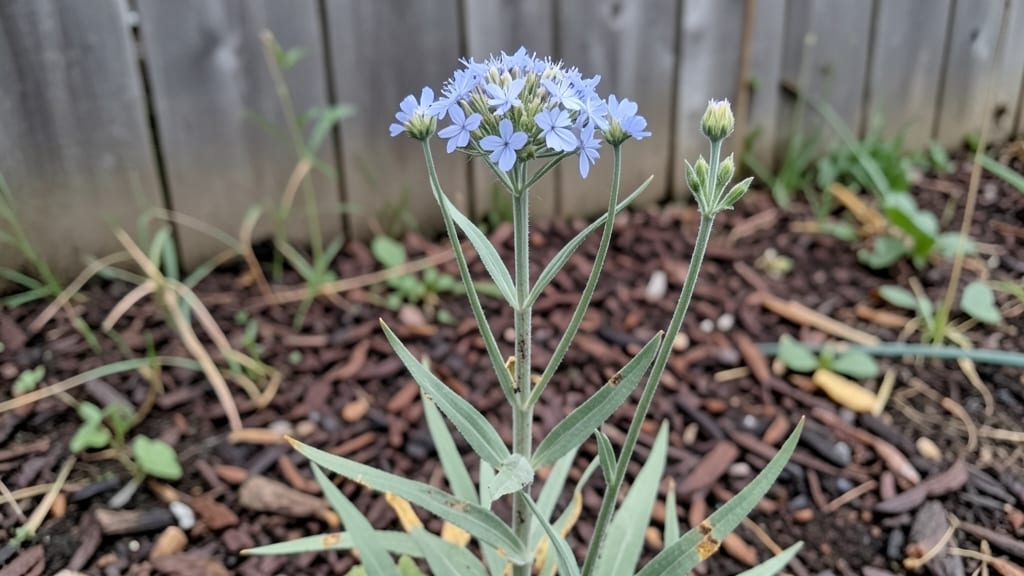
Growing a flax seed flower from those tiny brown seeds you’ve been saving is easier than you think — and the payoff is a garden filled with delicate blue-purple blooms in just 60 days.
Did you know those same seeds that make golden flaxseed oil can transform into stunning 🌸 flowers? It’s true, and this fast-growing annual is one of the simplest ways to add color to your garden while reaping edible rewards.
Flax thrives in USDA Zone 6a and beyond, making it perfect for early spring planting (March–April) or a late-summer boost (August). With the right soil, sunlight, and a little patience, you’ll go from seed to bloom faster than you’d expect.
In this guide, I’ll walk you through every step—from seed prep to post-flowering care—so you can enjoy vibrant blooms and maybe even harvest seeds for next year’s garden.
How to grow flax seed flowers from seeds in 60 days
Growing flax seed flowers from seeds is one of my favorite quick projects—those delicate blue-purple blooms appear faster than you’d expect, especially with the right approach. The secret lies in understanding flax's rapid growth cycle and creating ideal conditions from day one.
With just 60 days to showtime, timing and technique become everything. Let’s break down how to turn those tiny seeds into a garden full of color.
Flax plants thrive when you mimic their natural open-field conditions. They love well-draining soil and full sunlight, but they’re surprisingly adaptable once you get the basics right. The key is to start early—either in early spring (March-April) or late summer (August)—to maximize your blooming window.
My experience shows that direct sowing (rather than starting indoors) gives the fastest results, with germination happening in just 7-14 days under the right conditions.
Step-by-Step Guide to Growing Flax Seed Flowers
- Step 1: Choose your planting window—early spring (March-April) or late summer (August) for fastest blooms.
- Step 2: Prepare well-draining soil with a pH of 6.0-7.0. Mix in compost for nutrients.
- Step 3: Sow seeds ¼ inch deep, spacing them 6-12 inches apart in rows 12-18 inches apart.
- Step 4: Water lightly but consistently, keeping soil moist but not soggy until germination.
- Step 5: Thin seedlings to 6 inches apart once they’re 2-3 inches tall to prevent overcrowding.
- Step 6: Apply balanced fertilizer (5-10-10) when plants reach 4-6 inches tall, then again at half-height.
- Step 7: Ensure 6+ hours of sunlight daily. Morning sun is ideal to prevent wilting.
- Step 8: Reduce watering as seed pods form (late summer) to improve seed quality.
- Step 9: Harvest seeds when pods turn brown and crack open (typically 90-120 days after planting).
Let’s start with soil preparation, the foundation of your flax garden. Flax plants despise waterlogged soil, so if your garden retains moisture, consider raised beds or mounded rows. I’ve found that adding sand or perlite to heavy clay soils dramatically improves drainage.
A light compost mix (about 2-3 inches worked into the top 6 inches of soil) provides the nutrients flax needs without overwhelming it. Test your soil’s pH level—flax prefers 6.0-7.0, and you can adjust with lime (to raise pH) or sulfur (to lower it) if needed.
Once your soil is ready, seed spacing becomes critical for healthy growth. Plant seeds ¼ inch deep—any deeper and they’ll struggle to emerge. Space them 6-12 inches apart in rows that are 12-18 inches apart. This gives roots room to spread and reduces competition for nutrients.
If you’re growing flax for ornamental blooms, you can space them closer (6 inches apart), but if you’re after seed production, give them more room (12 inches apart) to prevent overcrowding and disease.
Watering is where many gardeners go wrong with flax. These plants need consistent moisture during germination but deteriorate quickly in soggy conditions. Water lightly but frequently (every 2-3 days) until seedlings emerge, then taper off to once a week once they’re established.
Always water at the base of the plant in the morning to prevent fungal issues. I’ve seen flax wilt dramatically when overwatered—soak the soil thoroughly, then let it dry slightly between waterings.
Fertilizing flax is simple but crucial for those vibrant blooms. Use a balanced fertilizer (5-10-10) when plants reach 4-6 inches tall, then again when they’re about half their mature height.
Avoid heavy feeding—flax is a light feeder and too much nitrogen will produce lush foliage but few flowers. I like to use a slow-release organic fertilizer to avoid burning delicate roots.
If you’re growing flax for seed production, reduce watering slightly as pods form to improve seed quality and prevent cracking.
Sunlight is non-negotiable for flax. These plants need 6+ hours of direct sun daily to thrive. If your garden is shady, consider growing flax in containers near a south-facing window or supplement with grow lights. I’ve noticed that flax grown in partial shade produces fewer blooms and taller, leggier stems.
For the best results, place your flax in the sunniest spot in your garden, even if it means sacrificing a corner of your vegetable patch.
By day 30, your flax plants should be 1-2 feet tall with visible buds forming. This is when you’ll see those delicate blue-purple flowers start to open—it’s an exciting phase! If you’re growing flax for cut flowers, harvest blooms in the early morning when they’re fully open.
For seed production, leave the flowers on the plant until the seed pods turn brown and begin to split. At this stage, the plant will start to dry out naturally, signaling it’s time to harvest.
One of my favorite aspects of growing flax is how versatile it is. You can use the flowers in bouquets, the seeds for oil or bird feed, and even the stalks for fiber.
The edible seeds are packed with omega-3s, making this a dual-purpose plant for both beauty and health. To encourage continuous blooming, I deadhead spent flowers by gently snipping them off at the base. This redirects the plant’s energy toward producing more blooms rather than seed pods.
With just 60 days from seed to bloom, flax is one of the fastest-growing ornamental plants you can grow.
By following these steps—preparing the right soil, spacing seeds properly, and watering wisely—you’ll be rewarded with a garden bursting with vibrant color and the satisfaction of growing something both beautiful and useful. Happy planting! 🌸
Flax seed flower varieties: best types for fast blooming gardens
If you're dreaming of a vibrant blue-purple garden in just 60 days, choosing the right flax seed flower variety is key. These fast-growing beauties thrive in cool seasons and offer stunning blooms with minimal fuss.
Whether you prefer tall, dramatic spikes or compact clusters, there's a perfect flax variety for your space and style.
I’ve grown three standout varieties—'Olympia', 'Storm', and 'Boreal'—each delivering rapid blooms and unique characteristics. Let’s compare them so you can pick the best fit for your fast-blooming garden goals.
| Variety | Height (ft) | Bloom Color | Bloom Time | Sun Needs | Soil Preference |
|---|---|---|---|---|---|
| Olympia | 2-3 ft | Deep blue | 50-60 days | Full sun | Well-drained |
| Storm | 1.5-2 ft | Sky blue | 45-55 days | Full sun | Moderate |
| Boreal | 3-4 ft | Purple-blue | 60-70 days | Full sun | Sandy-loam |
'Olympia' is my go-to for bold, eye-catching blooms that reach 2-3 feet tall. Its deep blue flowers stand out in cut flower arrangements and attract pollinators like bees. Plant it in well-drained soil with full sun exposure for the fastest results—expect blooms in just 50-60 days.
For smaller spaces, 'Storm' is a game-changer. This compact variety grows only 1.5-2 feet tall and blooms even faster—45-55 days—with sky-blue flowers. It’s perfect for container gardens or borders and thrives in moderate soil, making it super low-maintenance.
If you love dramatic height and richer colors, 'Boreal' delivers with 3-4 foot stems and purple-blue blooms. While it takes slightly longer to bloom—60-70 days—its tall, elegant spikes make it ideal for backyard focal points.
This variety prefers sandy-loam soil, which helps prevent root rot in heavier climates.
All three varieties share a love for full sun and minimal watering, but 'Storm' is the fastest bloomer, making it my top pick for quick garden color. To maximize blooms, deadhead spent flowers and ensure well-draining soil—this prevents fungal diseases and keeps your flax thriving.
Ready to add fast, stunning blooms to your garden? Grab seeds for 'Storm' or 'Olympia' and watch your blue-purple paradise bloom in under two months! 🌿