
Landscaping
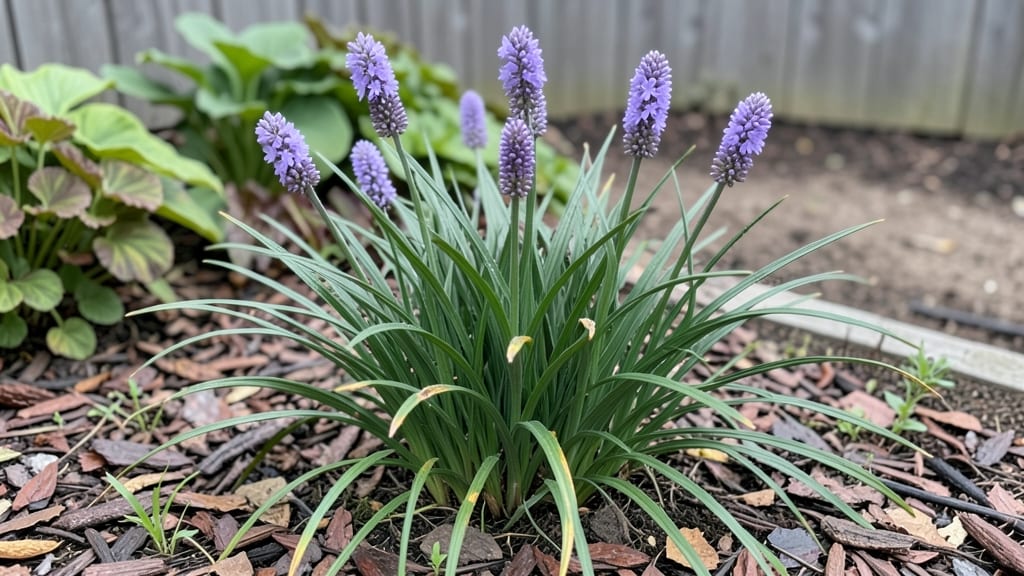
A flower bed monkey grass border adds instant structure and privacy to your garden with its towering, arching plumes and fast-growing habit.
Tired of bare flower beds that lack structure and privacy? Monkey grass borders transform your garden into a lush, vibrant sanctuary with minimal effort—growing fast and thriving year-round.
This year-round grass thrives in USDA Zone 6a and beyond, offering seasonal interest from spring through winter with its feathery plumes and golden hues.
Below, I’ll show you how to plant it for maximum impact, the best varieties for your design, and creative ways to pair it with flowers for a border that’s both functional and stunning.
How to plant monkey grass as a flower bed border for maximum impact
Creating a stunning flower bed border with monkey grass is one of the easiest ways to add year-round texture and privacy to your garden. This fast-growing ornamental grass thrives in borders, offering architectural interest while requiring minimal maintenance.
Whether you're framing a perennial garden or softening a fence line, monkey grass delivers dramatic results with its plume-like foliage and seasonal color shifts.
Before diving into planting, I recommend choosing a sunny location with well-draining soil—monkey grass despises soggy roots. The key to a dense, lush border lies in proper spacing, soil prep, and seasonal care.
Follow these steps to create a low-maintenance privacy screen that enhances your flower beds while providing structure and movement.
Step-by-Step Guide to Planting Monkey Grass Borders
- 1 Choose the Right Location
- 2 Test and Amend Soil
- 3 Mark Planting Spacing
- 4 Dig Planting Holes
- 5 Plant and Water In
- 6 Mulch and Fertilize
- 7 Seasonal Maintenance
For optimal growth, select a sunny spot with 6+ hours of sunlight daily. Monkey grass tolerates partial shade, but full sun enhances its vibrant colors and dense foliage.
Avoid low-lying areas where water pools, as soggy soil can lead to root rot. If your soil is heavy clay, amend it with compost or sand to improve drainage.
Use a soil test kit to check pH—monkey grass prefers slightly acidic to neutral soil (pH 6.0-7.0).
If your soil is too alkaline, mix in peat moss or sulfur to lower the pH. I always add a 2-inch layer of compost to the planting area to provide essential nutrients and improve soil structure.
Spacing is critical for a full, lush border. Plant monkey grass clumps 18-24 inches apart for taller varieties and 12-18 inches apart for shorter types.
This spacing allows each plant to fill out without competing for resources. Use landscape fabric under the border to suppress weeds and retain moisture.
Dig holes twice as wide as the root ball but only as deep. Gently remove the monkey grass from its container and loosen the roots if they're root-bound. Place the plant in the hole, ensuring the top of the root ball sits level with the soil surface.
Backfill with native soil and water deeply to eliminate air pockets.
After planting, apply a 2-3 inch layer of mulch around each
Best monkey grass varieties for flower bed borders compared
Creating a stunning flower bed border with monkey grass starts with choosing the right variety. Each type offers unique heights, colors, and textures that can dramatically transform your garden’s privacy and visual appeal.
Whether you need a tall screen or a low, ornamental edge, there’s a perfect match for your design goals.
I’ve compared the top monkey grass varieties—Miscanthus sinensis, Pennisetum alopecuroides, and Cortaderia selloana—based on their growth habits, hardiness, and maintenance needs. This comparison will help you pick the best fit for your flower bed’s layout and your gardening lifestyle.
| Variety | Height (Mature) | Color/Foliage | Hardiness Zone | Maintenance | Best For |
|---|---|---|---|---|---|
| Miscanthus sinensis | 3–7 ft | Green, gold, or purple | 5–9 | Low (cut back in spring) | Tall privacy screens, dramatic accents |
| Pennisetum alopecuroides | 1.5–3 ft | Green, bronze, or silver | 5–10 | Very low (drought-tolerant) | Low borders, container gardens |
| Cortaderia selloana | 4–10 ft | Silver-white plumes | 8–11 | Moderate (remove old plumes) | Tropical vibes, coastal gardens |
Note: All varieties thrive in full sun and well-draining soil. Adjust spacing based on mature height for a cohesive border.
If you’re designing a low flower bed border, Pennisetum alopecuroides is my top pick. Its compact size (1.5–3 ft) and ornamental plumes add texture without overwhelming smaller blooms. Pair it with lavender or salvia for a fragrant, low-maintenance combo.
For a bold statement, Miscanthus sinensis delivers year-round interest with its arching plumes and golden fall colors. Plant it in groups of 3–5 for a natural, wind-swept look. This variety also handles urban pollution well, making it ideal for city gardens.
Cortaderia selloana, or pampas grass, brings a tropical flair with its feathery silver plumes. It’s perfect for coastal or Mediterranean-style gardens but requires more space due to its towering height (4–10 ft). Prune old plumes in early spring to keep it looking fresh.
No matter which variety you choose, consistent moisture during establishment is key. Once rooted, most monkey grasses are drought-tolerant, but they’ll reward you with vibrant colors and lush growth all season long. 🌿