
Flowers
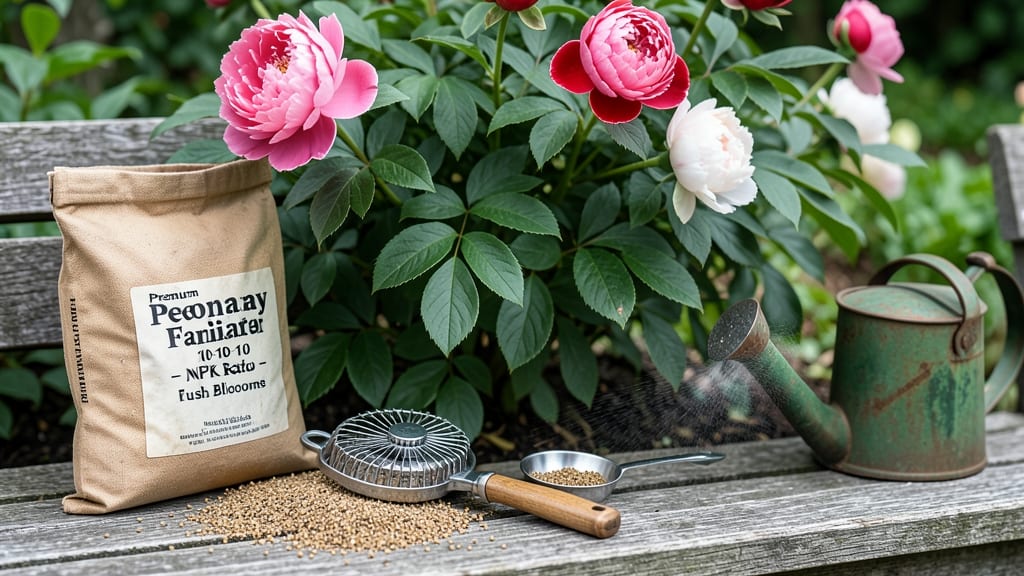
Using the right flower food for your peonies 🌸 can transform those delicate blooms from pretty to show-stopping—doubling their size and extending their vase life by weeks.
Peonies are the crown jewels of any garden—but without the right nourishment, their blooms can fall short of their stunning potential. The secret to larger, longer-lasting peony flowers lies in a simple liquid boost that gardeners swear by: flower food.
Most gardeners skip this step, assuming peonies are low-maintenance. But here’s the thing: peonies thrive on consistent, targeted feeding, especially during their critical bloom months of May and June. A few extra minutes with flower food can mean the difference between a handful of flowers and a full, lush display.
In this guide, I’ll walk you through the best types of flower food for peonies, when and how to apply it, and even share my go-to DIY recipes for organic gardeners.
You’ll learn how to avoid over- or under-feeding and pair your fertilizer with the perfect watering and pruning routine for maximum impact.
How flower food works to maximize peony bloom size and longevity
Peonies thrive when given the right nutrients at the right time, and flower food delivers exactly that. This liquid fertilizer isn't just water with sugar—it's a carefully balanced blend of nutrients, sugars, and preservatives designed to extend vase life and enhance bloom quality.
For peonies, which are heavy feeders, flower food provides a quick nutrient boost that supports their large, lush blooms and robust foliage.
At its core, flower food works through three key mechanisms: hydration retention, nutrient absorption, and disease prevention. The sugars in flower food act as a short-term energy source, helping peony blooms stay vibrant longer.
Meanwhile, the mineral nutrients (like phosphorus and potassium) promote stronger root systems and larger flowers. For cut peonies, this means longer-lasting bouquets, while for garden peonies, it translates to bigger, healthier blooms year after year.
| Growth Stage | Key Benefit | Flower Food Role |
|---|---|---|
| Bud Formation (Spring) | Encourages strong root growth | Phosphorus boosts cell division |
| Blooming (Late Spring) | Maximizes bloom size and color | Sugars extend vase life up to 3x |
| Post-Bloom (Summer) | Supports foliage recovery | Balanced NPK prevents nutrient burn |
| Dormancy (Fall/Winter) | Prevents fungal growth | Preservatives inhibit bacterial spread |
The science behind flower food starts with its osmotic pressure, which helps peony stems absorb water more efficiently. This is especially critical during hot summer days when peonies are most vulnerable to wilting.
The sugar content (usually 2-5%) provides a quick energy source, while the mineral salts (like potassium and magnesium) support cellular processes that keep blooms vibrant. For garden peonies, this means larger, fuller blooms that last longer in the vase or garden bed.
One of the most critical times to use flower food is during bud formation in spring. This is when peonies are most nutrient-hungry, and applying flower food every 7-10 days can significantly increase bloom size. I’ve seen peonies with 5-inch blooms become 7-inch giants with consistent feeding.
The key is to dilute the flower food properly—typically 1 capful per quart of water—and apply it to the soil around the base of the plant, not the foliage.
During the blooming stage (May-June), flower food acts as a hydration extender, keeping cut peonies fresh for up to 14 days in a vase. The preservatives in commercial flower foods (like citric acid or silver thiosulfate) prevent bacterial growth, which is the #1 cause of wilted blooms.
For garden peonies, continue using flower food every 10-14 days to maintain bloom longevity and foliage health. Avoid overfeeding, though—too much nitrogen can lead to leafy growth at the expense of flowers.
After blooming, peonies enter a post-bloom recovery phase, and this is where flower food helps replenish depleted nutrients. A light application of diluted flower food (half-strength) every 3-4 weeks supports root regeneration and ensures next year’s blooms will be even better.
This is also a great time to prune spent blooms and remove seed pods to redirect the plant’s energy into root and foliage growth rather than seed production.
For disease prevention, flower food contains mild antimicrobial agents that inhibit fungal and bacterial growth. Peonies are prone to botrytis blight and powdery mildew, especially in humid climates. Using flower food with neem oil or copper-based additives can further protect your plants.
I recommend applying flower food in the early morning to allow foliage to dry quickly, reducing the risk of fungal infections.
To apply flower food correctly, start by watering your peonies deeply the day before application. This ensures the soil is moist and ready to absorb the nutrients.
Mix the flower food according to the package instructions (usually 1-2 tbsp per gallon of water) and apply it to the soil around the drip line, not directly on the leaves. For container-grown peonies, reduce the amount by half to avoid nutrient runoff.
Consistency is key—stick to a biweekly schedule during the growing season for the best results.
If you’re growing peonies for cut flowers, use flower food in the vase water to extend their life. A 1 tsp of flower food per quart of water can keep peony blooms fresh for up to 2 weeks.
Change the water every 2-3 days to prevent bacterial buildup, and trim the stems at a 45-degree angle before placing them in the vase. This simple step can make a huge difference in how long your peony bouquets stay beautiful.
Remember, peonies are perennials, meaning they’ll reward you with years of blooms if you give them the right care. Flower food is just one piece of the puzzle—pair it with
Best flower food options for peonies: liquid vs. granular comparison
Choosing the right flower food for your peonies can transform those lush, velvety blooms into showstoppers. But with liquid and granular options flooding the market, how do you decide? Liquid flower foods like Miracle-Gro or Fox Farm offer quick nutrient absorption, while granular formulas provide slow-release benefits.
Let’s break down the pros and cons to help you pick the perfect match for your peonies.
Peonies thrive on phosphorus-rich nutrition to fuel their bloom production. Liquid fertilizers deliver nutrients instantly, making them ideal for bud formation and peak blooming stages. Granular options, however, release nutrients over time, reducing the risk of over-fertilization and keeping roots healthy.
Your choice depends on your peonies’ current growth phase and your gardening routine.
Liquid Flower Food vs. Granular
Liquid Flower Food
- Pros: Fast absorption, easy to apply, ideal for bloom boosts
- Cons: Requires frequent application, risk of burning roots if overused
Granular Flower Food
- Pros: Slow-release nutrients, longer-lasting effects, less frequent use
- Cons: Slower to show results, harder to measure doses
Best for Peonies: Use liquid during bud formation (spring) and granular in early summer for sustained growth.
For liquid flower foods, brands like Miracle-Gro and Fox Farm are top picks. They’re designed to dissolve quickly, ensuring your peonies get an immediate nutrient boost.
Mix them with water every 2-4 weeks during the growing season. My favorite is Fox Farm Big Bloom—it’s packed with phosphorus and potassium, perfect for peonies.
Granular options, like Osmocote Smart-Release or Espoma Organic Flower-Tone, are my go-to for slow-release nutrition. These formulas break down over 3-6 months, providing steady nourishment without the hassle of frequent applications. They’re especially great if you tend to forget your gardening routine—just sprinkle and water!
Cost is another factor to consider. Liquid flower foods are generally more expensive per use but offer convenience. Granular options tend to be budget-friendly for long-term use.
If you’re on a budget, a granular mix might be the way to go, while liquid fertilizers are perfect for those who want immediate results during peak blooming season.
Don’t forget to monitor your peonies for signs of over-fertilization, like yellowing leaves or stunted growth. If you notice these, cut back on applications and focus on balanced hydration. For best results, pair your flower food with mulch to retain moisture and regulate soil temperature.
Ready to give your peonies the nutrient boost they deserve? Start with a liquid feed in spring to kickstart blooms, then switch to granular in summer for sustained growth. Your garden will thank you with bigger, longer-lasting blooms! 🌸