
Landscaping
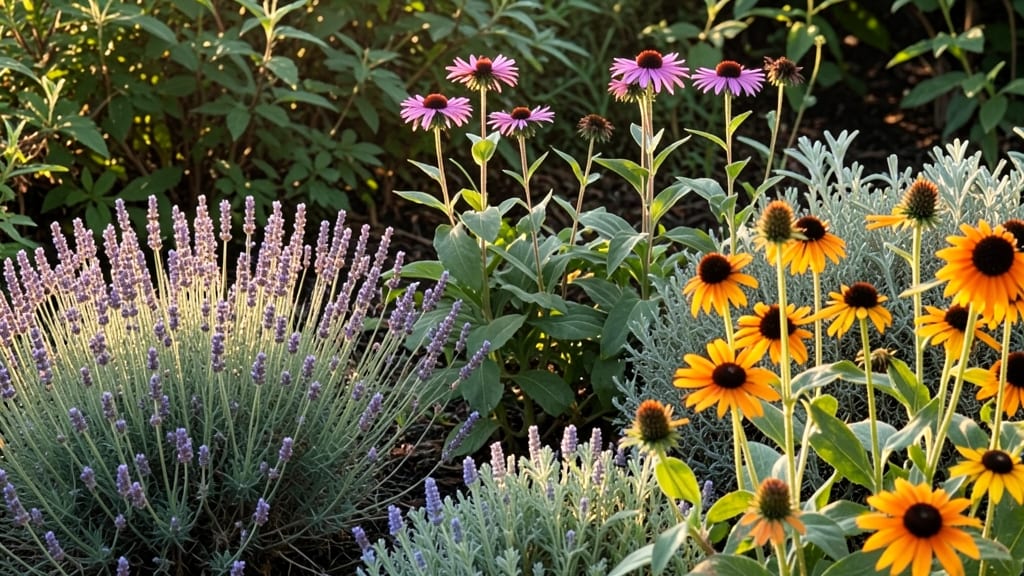
My flower garden design plans promise year-round blooms with minimal effort—and trust me, they work. The trick isn’t picking fancy plants; it’s layering them so each one takes over when the last one fades.
My front bed stays vibrant from early spring tulips to late fall asters without me lifting a finger after the first setup.
Start with a rough sketch of your space, noting sunlight spots and existing plants. Divide your bed into three zones: front (short plants), middle (medium height), and back (tallest bloomers).
I use perennials for structure—like coneflowers and black-eyed Susans—and fill gaps with annuals for quick color, such as petunias or marigolds. The key is choosing plants that self-seed or spread naturally, so they keep filling in.
By summer, you’ll have a garden that looks like it belongs in a magazine, but with zero deadheading or replanting. The colors shift seamlessly—purples give way to pinks, then to golds—while bees and butterflies do the work of pollination.
Even my neighbor’s dog can’t ruin it (true story). The only maintenance is a quick trim in early spring to tidy up last year’s foliage.
This works for any size space, from a tiny city balcony to a half-acre backyard. The same principles apply whether you’re going for cottage charm, modern minimalism, or a wildflower meadow vibe. Let’s get your design sketched out in just 30 minutes—no green thumb required.
📚 In This Guide
- What you need
- Instructions
- Tips and common mistakes
- Wrapping up and next steps
What you need
- ● Flowering Plants: Choose a mix of perennials (e.g., Coneflower, Black-Eyed Susan, Lavender) and annuals (e.g., Marigolds, Petunias, Zinnias) for seasonal color. Aim for 10–15 plants per 100 sq. ft.
- ● Soil Amendments: Compost (1–2 bags, 50 lbs each) for nutrient-rich soil
- ● Organic mulch (2–3 cubic feet, shredded bark or pine straw)
- ● Fertilizer: Slow-release granular fertilizer (10–15 lbs, 10-10-10 NPK ratio) or organic options like fish emulsion.
- ● Basic Tools: Garden trowel
- ● Pruning shears
- ● Hand pruners
- ● Garden gloves (1–2 pairs)
- ● Measuring & Layout: Measuring tape (25 ft)
- ● Stakes & twine (for marking designs)
- ○ Spray paint (optional, for temporary layout guides)
- ● Watering: Garden hose with adjustable nozzle
- ○ Watering can (optional, for delicate plants)
- ● Sunlight Assessment: Know your garden’s sunlight exposure (full sun, partial shade, or full shade) to pick the right plants.
- ● Water Access: Ensure a nearby water source or drip irrigation system for consistent moisture.
- ● Local Climate Considerations: Check your USDA Hardiness Zone for plant suitability (e.g., Zone 5–9 for most perennials).
- ○ Optional but Helpful: Garden kneeler/pad for comfort
- ● Wheelbarrow (for hauling soil/mulch)
- ● Plant labels (to track varieties)
How to create a low-maintenance flower garden that blooms all season
Here's how to design a vibrant flower garden that stays beautiful with just a little care each week.
Map Your Garden Space and Sun Exposure
Start by sketching your garden area on paper, noting where sunlight hits at different times of day. Most flowering plants need at least 6 hours of direct sun, but some like shade-loving varieties need only 2-3 hours. I divide my garden into three zones: full sun, partial shade, and full shade. This helps me place the right flowers where they'll thrive without competition.
Use stakes or flags to mark your zones temporarily. Walk through each area at different times—morning sun behaves differently than afternoon heat. Notice where shadows fall and how long they linger. This step ensures you won't end up with wilting sun-lovers in shady spots or leggy shade plants in hot areas.
Layer Plants by Height and Blooming Season
Begin with taller plants like delphiniums or hollyhocks at the back, then add medium-height flowers like daylilies or coneflowers in the middle. Fill the front with low-growing annuals like pansies or violas. This creates depth and prevents smaller flowers from getting lost. I always group plants by their peak blooming seasons too—early spring with tulips and daffodils, summer with zinnias, and fall with asters.
Leave 18-24 inches between taller plants and 12-18 inches between medium and short varieties. This spacing gives roots room to spread while keeping the garden looking full. Check plant tags for mature size—what looks small in the pot will grow much larger! I promise you'll avoid the cramped, overcrowded look that happens when people plant too close.
Choose Drought-Tolerant and Repeat Bloomers
Select flowers that naturally thrive in your climate and require minimal watering once established. My go-to choices include lavender, Russian sage, and black-eyed Susans—all of which bloom repeatedly throughout the season. These plants handle dry spells better than thirsty annuals, which means less work for me during summer heatwaves.
Look for perennials that self-seed or spread easily, like coreopsis or catmint. These will come back year after year with minimal effort. I avoid single-bloom annuals unless they're in high-traffic areas where I want quick color. The key is balancing perennials (which return annually) with a few annuals for seasonal pops of color that can be replaced easily.
Add Mulch and Ground Covers for Weed Control
Spread 2-3 inches of organic mulch like shredded bark or pine straw around your plants. This keeps soil moist, suppresses weeds, and adds nutrients as it breaks down. I apply mulch after planting but keep it 2 inches away from stems to prevent rot. For larger gaps, I use living ground covers like creeping thyme or ajuga, which spread quickly and crowd out weeds naturally.
Water deeply right after mulching to help the material settle and make contact with the soil. You'll notice fewer weeds popping up and less water evaporation from the soil surface. This step cuts my weeding time by at least 70%—worth the small upfront effort!
Plan for Seasonal Color Transitions
Choose a mix of flowers that bloom at different times to ensure continuous color. Early spring bulbs like crocus and hyacinths give way to summer phlox and black-eyed Susans, which transition into fall mums and asters. I always include at least three plants that bloom in each season to maintain interest. Even in winter, evergreen plants like hellebores or winter jasmine provide structure and subtle color.
Add a few late-season bloomers like chrysanthemums or sedum to carry your garden into autumn. These plants often have the added benefit of attracting beneficial insects. I like to make a simple chart noting each plant's peak bloom time—it's a great reference for future years and helps me plan future gardens even better.
Tips & tricks for perfect flower garden design
A few key strategies will help your flower garden thrive with minimal effort while delivering stunning color all season long.
Sunlight Mapping: In Step 1, when you're marking your sun zones, don't rely solely on summer sun patterns. Observe your garden during winter months too—what looks like full sun in July might become partial shade when trees are bare. I've seen many gardeners place sun-loving plants in areas that become too shady during cooler months, leading to disappointment when those plants fail to thrive.
Plant Spacing Secrets: The 18-24 inch spacing in Step 2 might seem generous, but trust me—it's worth it. I learned this the hard way when my overcrowded daylilies became leggy and produced fewer blooms. Proper spacing improves air circulation, which prevents fungal diseases and allows each plant to reach its full potential. You'll also find weeding much easier with this room to move around.
Drought-Proofing Strategy: When selecting plants in Step 3, consider your local rainfall patterns. In drier climates, I've found that Russian sage and black-eyed Susans actually thrive with less water than the package tags suggest. These plants develop deep root systems that help them access moisture during dry spells. Always check the plant's native habitat—if it grows naturally in dry areas, it's likely to be more drought-tolerant.
Mulching Mastery: The 2-3 inch mulch layer in Step 4 is perfect, but here's what nobody tells you—apply mulch after your soil has warmed up in spring. Cold soil can actually hold moisture better without mulch, and applying it too early might delay warming. Also, refresh your mulch annually—over time, it breaks down and loses its effectiveness. This small maintenance step makes a big difference in weed suppression and moisture retention.
Pro Tips for Flower Garden Design Plans
- A few key strategies will help your flower garden thrive with minimal effort while delivering stunning color all season long.
- Sunlight Mapping: In Step 1, when you're marking your sun zones, don't rely solely on summer sun patterns.
- Plant Spacing Secrets: The 18-24 inch spacing in Step 2 might seem generous, but trust me—it's worth it.
Frequently asked questions
Got questions about creating a stunning flower garden with minimal effort? Here are answers to some of the most common queries—so you can dive in with confidence!
What’s the best time of year to start planning a flower garden?
The ideal time depends on your climate! In cooler regions, late winter or early spring (March–April) is perfect for planning, as you can see how sunlight hits your space and prepare soil. In warmer zones, fall (September–October) lets you take advantage of cooler temps for planting. Pro tip: Sketch your garden in winter to visualize layouts before planting season kicks off!
How can I design a low-maintenance flower garden?
Focus on perennials (they come back year after year!) and native plants that thrive in your climate. Group plants with similar water needs together, and opt for mulch to retain moisture. Add a few self-seeding annuals (like marigolds or cosmos) for easy color renewal. Less digging, less deadheading—more blooms!
Can I mix flowers with vegetables or herbs in my garden?
Many flowers and veggies coexist beautifully—just choose companions wisely. Great pairings:
- Marigolds + tomatoes (repel pests!)
- Nasturtiums + lettuce (adds color + deters aphids)
- Basil + roses (keeps aphids away)
What should I do if my flowers aren’t blooming?
Check these common culprits first:
- Too much shade? Move plants to sunnier spots (most flowers need 6+ hours of sun).
- Over- or underwatering? Stick your finger 1–2 inches into soil—if it’s dry, water deeply; if soggy, improve drainage.
- Lack of nutrients? Add compost or a balanced fertilizer in early spring.
- Old plants? Perennials may need dividing every 3–4 years.
How do I extend my garden’s blooming season?
Layer plants with staggered bloom times! Plant early bloomers (like tulips or crocuses) in fall, mid-season stars (like daisies or zinnias) in spring, and late bloomers (like asters or chrysanthemums) in summer. Add annuals like petunias or impatiens for continuous color. Bonus: Leave seed heads for winter interest—they attract birds and add texture!
Wrapping up and next steps
Creating a stunning, low-maintenance flower garden that blooms all season is easier than you think! With the right flower garden design plans, you can enjoy vibrant colors and effortless beauty year-round.
Start small, focus on native plants, and let nature do the work—your future self (and pollinators!) will thank you.
Ready to transform your space? Sketch your design, gather supplies, and dive in! Every bloom begins with a single seed—or in this case, a single plan. 🌸