
Flowers
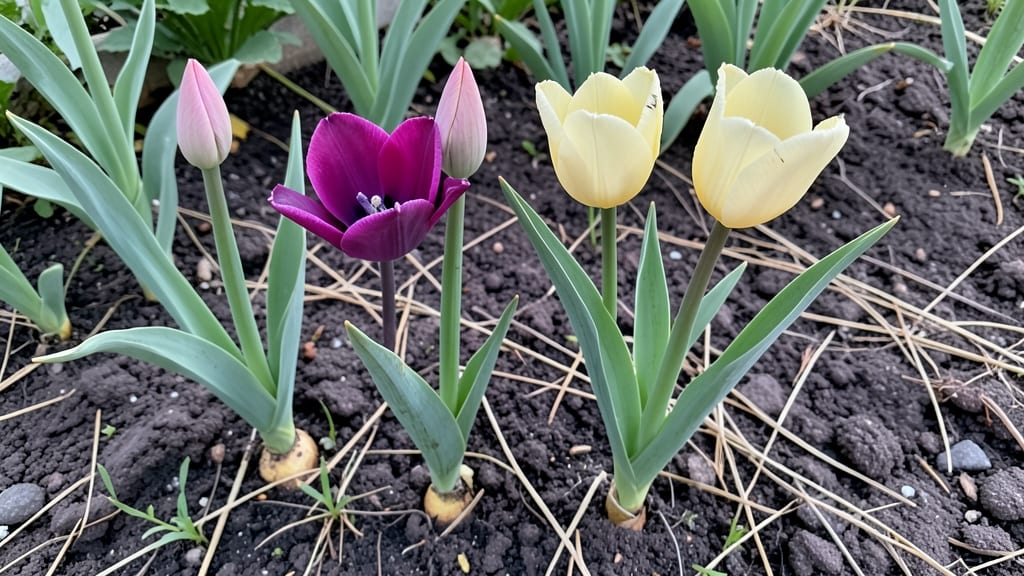
A flower garden with tulips isn’t just about spring’s fleeting bursts of color—it’s about crafting a living tapestry that thrives from winter’s first hints of green through summer’s golden glow.
Tulips aren’t just spring’s fleeting stars—they can be the backbone of a vibrant, all-season flower garden when planted with strategic color-coding and timing. Imagine deep purples peeking through snow, followed by bold reds that stretch into June, all while delicate yellows fade into memory by mid-summer.
Most gardeners stop at a single season of tulips, but the real magic happens when you layer varieties to create a cascading wave of blooms. The key?
Pairing early bloomers like 'Queen of Night' with mid-season standouts such as 'Darwin Hybrid', then letting late tulips like 'Fosteriana' take center stage as others fade.
In this guide, I’ll show you how to mix colors, spacing, and companion plants to turn your garden into a year-round showstopper—no dead patches, just endless layers of petals waiting to unfold.
How to plan a tulip flower garden by color seasons for continuous blooms
Creating a tulip garden that blooms continuously from early spring to late spring is all about strategic color-coding and bloom-time layering. By selecting varieties that flower in successive waves, you can ensure your garden stays vibrant and full of life.
The key is to group tulips by their bloom seasons—early, mid, and late spring—and pair them with complementary colors to create a seamless transition.
I’ve designed my own tulip garden using this approach, and the results are stunning. The secret lies in understanding how color families interact and how bloom timing can extend your garden’s visual appeal.
For example, planting deep red Darwin Hybrids alongside soft pink Parrot tulips creates a dramatic contrast, while white Ice Queen tulips add a fresh, airy touch. Let’s dive into how you can do the same.
To start, focus on three bloom seasons to create a cascading effect.
Early spring tulips like 'Fosteriana' varieties (such as 'Red Emperor') burst into color in March or April, setting the stage for mid-spring Darwin Hybrids like 'Apeldoorn' (a deep red) that peak in April and May.
Finally, late-spring Parrot tulips, like the dramatic 'Black Parrot', extend the show into June.
Color coordination is just as important as timing. For a bold and dramatic garden, pair deep reds with purples and blacks, like 'Queen of Night' alongside 'Red Emperor'. This creates a rich, moody palette that feels luxurious.
If you prefer a softer, romantic look, mix pinks and whites, such as 'Pink Diamond' with 'Ice Follies'. These combinations evoke a whimsical, fairy-tale vibe.
For a modern, minimalist garden, stick to monochromatic schemes. Plant various shades of purple together, like 'Purple Prince' and 'Lilac Wonder', or create a sunny yellow display with 'Sunny Yellow' and 'Golden Parade'. This approach highlights the natural beauty of tulips without overwhelming the space.
Don’t forget to consider height variations when planning your layout. Taller tulips, like Darwin Hybrids (up to 28 inches), should be placed at the back of borders or in centered clusters to create focal points.
Medium-height varieties (like Frans Hals) work well in mid-border positions, while dwarf tulips (such as Kaufmanniana) are perfect for edges or rock gardens.
Best tulip color combinations for garden themes (romantic, bold, OR cottagecore)
Transforming your garden into a visual masterpiece starts with the right tulip color combinations. Whether you crave a romantic pastel retreat or a bold, high-contrast statement, tulips offer endless possibilities.
The key lies in pairing complementary hues and layering textures—like ruffled petals against smooth foliage—to create depth and harmony.
For a romantic garden, soft pinks like 'Pink Diamond' paired with creamy whites like 'White Dream' evoke timeless elegance. Add lavender-blue accents with 'Blue Parrot' for a dreamy, ethereal effect. This palette thrives in partial shade and pairs beautifully with peony bushes or ferns for a lush, cottagecore feel.
🌷
Tulip Color Palettes: Pros & Cons
Romantic Pastels
- Pros: Soft, soothing, timeless
- Cons: Needs bright accents to avoid looking dull
Best for: Cottagecore, wedding gardens
Example: 'Pink Diamond' + 'White Dream' + 'Blue Parrot'
Bold & Dramatic
- Pros: High visual impact, modern appeal
- Cons: Can overwhelm small spaces
Best for: Contemporary gardens, statement borders
Example: 'Queen of Night' + 'Ice Follies' + 'Red Emperor'
Cottagecore Charm
- Pros: Whimsical, nostalgic, layered textures
- Cons: Requires regular maintenance
Best for: Rustic, traditional gardens
Example: 'Sunny Yellow' + 'Pink Diamond' + 'Purple Prince'
Monochromatic Elegance
- Pros: Sophisticated, cohesive, low-maintenance
- Cons: Limited color variety
Best for: Minimalist, modern designs
Example: 'Purple Prince' + 'Lavender Lady' + 'White King'
For a bold, high-contrast garden, pair deep purples like 'Queen of Night' with crisp whites like 'Ice Follies'. This combo creates dramatic focal points and works beautifully in full sun borders. Add alliums or salvia to extend the season and provide foliage contrast.
Cottagecore lovers should mix sunny yellows like 'Sunny Yellow' with soft pinks like 'Pink Diamond' and purples like 'Purple Prince'. This whimsical palette pairs well with dahlias, roses, and lavender for a textured, layered look. Plant in clusters of 5-7 bulbs for a natural, wildflower effect.
To extend your garden’s seasonal interest, layer tulips with perennials like peony or hosta. These plants provide year-round structure while tulips steal the show in spring. For example, 'Darwin Hybrid tulips’ tall stems pair perfectly with low-growing hostas, creating a stunning height contrast.
Experiment with foliage colors too! Variegated alliums or fountain grass add visual texture and balance the bright blooms. Mulch with cedar chips to enhance the earthy tones and keep weeds at bay.
🌿