
Shrubs
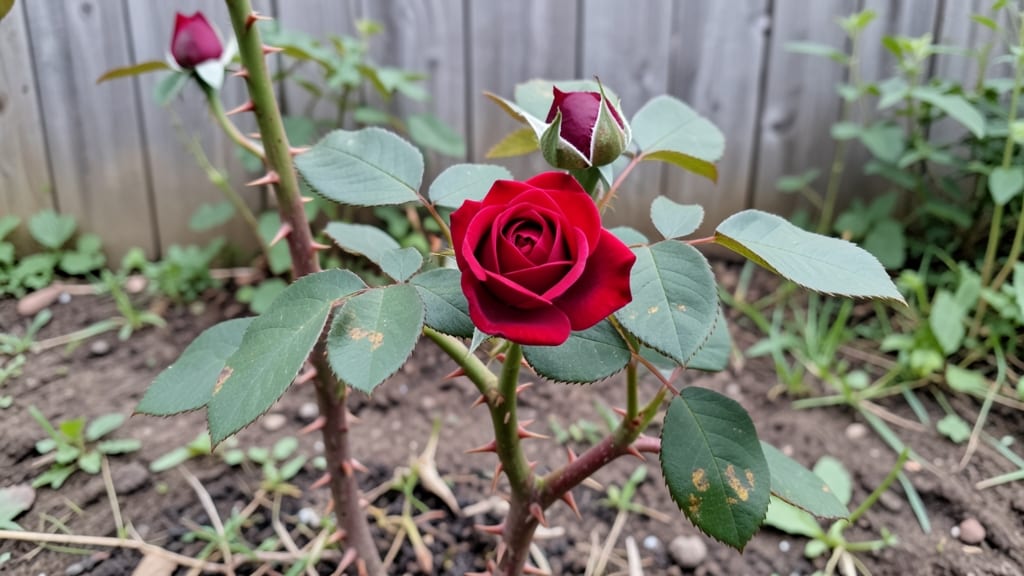
Growing a flowering red rose 🌹 isn’t just about planting a seed—it’s about nurturing a statement piece that turns heads and fills your garden with romance.
Red roses aren’t just the ultimate symbol of love—they’re a gardener’s dream when cared for properly. With the right techniques, you can enjoy their velvety blooms year-round, transforming your garden into a romantic masterpiece that never fades.
But here’s the catch: without the right soil, sunlight, and watering schedule, even the hardiest red rose can struggle. That’s why I’ve broken down the exact steps to keep your roses thriving from spring planting to winter dormancy.
From choosing the perfect variety for your USDA Zone 6a climate to troubleshooting common pests, this guide will help you grow red roses that bloom abundantly and last.
Red rose varieties perfect for year-round blooming
If you dream of a garden bursting with velvety red roses from spring through fall—and even into winter in mild climates—you’re in luck. Not all red roses bloom continuously, but these top-performing cultivars are bred for long-season flowering, disease resistance, and adaptability.
Whether you’re in a hot southern zone or a cooler northern climate, these varieties will reward you with rich, vibrant blooms that never quit.
The secret to year-round blooms lies in choosing repeating-flowering roses that thrive in your local conditions. Some varieties, like 'Knock Out', are nearly indestructible, while others, like 'Black Baccara', deliver dramatic deep burgundy-red blooms that last for weeks.
Below, I’ve curated the best red rose varieties for continuous color, along with their climate suitability and care tips to keep them flourishing.
For year-round blooming, 'Knock Out' roses are my top recommendation. These disease-resistant hybrids produce pinkish-red blooms continuously from spring until frost, with minimal care. They’re perfect for beginners or busy gardeners because they rarely need pruning and thrive in full sun to partial shade.
Plant them in well-draining soil and fertilize lightly every 6-8 weeks during the growing season to keep them producing.
If you’re chasing dramatic, velvety blooms, 'Black Baccara' is a showstopper. Its deep burgundy-red petals resemble black roses but bloom reliably from spring to fall. This variety loves full sun and regular watering, especially during hot summers.
To extend its bloom cycle, deadhead spent flowers promptly and apply a balanced fertilizer every 4-6 weeks.
For cold climates (Zones 4-5), 'John Cabot' is a hardy red rose that blooms prolifically even in cooler temperatures. Its vibrant red flowers appear in clusters, making it ideal for cut flower gardens. To encourage long stems, prune
Seasonal red rose care guide: sunlight, soil, and watering
Your red roses deserve year-round attention to maintain their vibrant blooms and lush foliage. Each season brings unique challenges—from spring pruning to winter protection—so let’s break down the essential steps.
With the right sunlight exposure, soil preparation, and watering schedule, your roses will thrive and reward you with stunning, continuous flowers.
First, ensure your red roses get 6+ hours of direct sunlight daily. Without enough light, blooms will be sparse and weak. Next, focus on well-draining soil enriched with compost to support strong root growth.
Finally, adjust your watering routine based on the season—overwatering in winter can lead to rot, while summer droughts stress the plant. Let’s dive into the seasonal care calendar to keep your roses at their best.
- Spring (March-May): Prune dead wood and shape the bush. Apply a balanced fertilizer (10-10-10) to encourage new growth. Water deeply once a week as temperatures rise.
- Summer (June-August): Increase watering to every 5-7 days during heatwaves. Deadhead spent blooms to promote continuous flowering. Mulch around the base to retain moisture.
- Fall (September-November): Reduce watering gradually. Apply a light fertilizer in early fall to strengthen roots. Add a thick layer of mulch to insulate roots from frost.
- Winter (December-February): Water sparingly—only when soil is dry. Protect tender varieties with burlap wraps or frost cloth. Avoid pruning until early spring.
In spring, your red roses will wake up hungry after winter dormancy. Start by removing any dead or diseased canes with clean, sharp pruners. Cut back to an outward-facing bud to encourage airflow and reduce fungal risks.
This is also the perfect time to amend the soil with compost or aged manure. Aim for a slightly acidic pH (6.0-6.5) to support nutrient uptake.
During summer, your roses will demand more attention. Monitor soil moisture daily—wilting leaves signal it’s time to water. Use a drip irrigation system to deliver water directly to the roots and avoid wetting the foliage, which can invite fungal diseases like black spot.
In extreme heat, provide afternoon shade to prevent stress. Regularly check for pests like aphids and treat with neem oil if needed.
As fall arrives, prepare your roses for dormancy. Gradually reduce watering to harden off the roots, but keep the soil moist enough to prevent dehydration. Apply a layer of mulch (3-4 inches) around the base, but avoid piling it against the stem.
This insulation helps regulate soil temperature and protects against early frosts. A light application of potassium-rich fertilizer in early fall strengthens root systems for winter.
When winter sets in, your red roses will enter dormancy, but they still need minimal care. Water only when the soil is completely dry to the touch, typically once a month.
If your roses are in a USDA Zone 6 or colder, wrap the canes with burlap or frost cloth to shield them from harsh winds and freezing temperatures. Avoid pruning until late winter, as new growth is vulnerable to frost damage.