
Shrubs
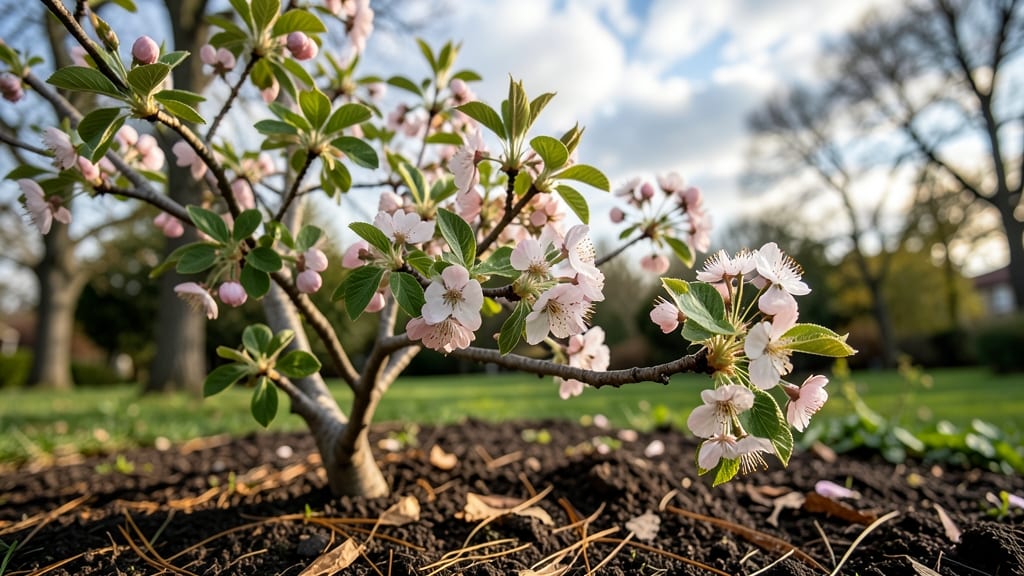
A flowering almond hedge 🌸 transforms any yard into a fragrant springtime showstopper—if you prune it right.
Picture this: your hedge bursting with pink blossoms every March, filling the air with almond-scented perfume. But prune at the wrong time, and you’ll end up with bare branches or stunted growth. The secret? A precise pruning calendar that keeps your hedge lush, blooming, and healthy for decades.
Most gardeners focus on when to prune, but the real game-changer is how you time it—especially for flowering almonds, which bloom on old wood. Cut too late, and you lose next year’s flowers.
Cut too early, and you risk disease or weak regrowth. Below, I’ll walk you through the exact pruning schedule by season, so you never miss a bloom again.
Ready to turn your hedge into a fragrant, year-round masterpiece? Let’s dive into the step-by-step calendar that’ll keep your flowering almond thriving—no guesswork, just results.
Flowering almond hedge pruning calendar by season: when to cut for maximum blooms
A flowering almond hedge (Prunus triloba) rewards patience with its stunning spring blooms and delicate fragrance—but only if you prune with precision. Unlike many shrubs, this beauty blooms on old wood, meaning last year’s growth produces this year’s flowers.
Cut at the wrong time, and you’ll sacrifice those pink or white blossoms for months. My pruning calendar aligns with the plant’s natural growth cycle to preserve blooms while shaping your hedge for year-round beauty.
Your hedge’s health depends on seasonal timing. Winter pruning sets the stage for spring blooms, while summer shaping keeps the plant lush. Even light cuts in fall can encourage new growth before dormancy.
Below, I’ve broken down the exact when, why, and how to prune each season—plus tools and techniques to avoid common mistakes that stunt growth or invite pests.
Pro Tip: Always use sterilized pruners and cut at a 45-degree angle just above a bud or branch collar. Disinfect tools with rubbing alcohol between cuts to prevent bacterial spread, especially during disease-prone months like late summer.
Spring is the most critical pruning window for flowering almonds. Once the pink blossoms fade (typically late April to early May), trim to shape your hedge—but never cut more than 25-30% of the plant at once.
Focus on removing last year’s leggy growth and thinning out crowded branches to improve airflow and reduce disease risk. Use a hand pruner for small branches and loppers for thicker stems over ½ inch.
Summer pruning is all about light maintenance. After the initial flush of new growth (around late June), you can do a light trim to encourage bushier growth. Target the tips of vigorous shoots to redirect energy inward.
Avoid heavy pruning in summer, as it can stimulate tender new growth that won’t harden off before winter. Instead, focus on removing suckers (shoots growing from the base) and any branches rubbing together.
Fall pruning is minimal but essential. Once leaves drop (typically late October), remove any dead, diseased, or broken branches to keep your hedge healthy. Avoid shaping cuts in fall, as new growth won’t have time to harden off before winter.
If your hedge looks ragged, wait until early spring to do any structural pruning. Mulch around the base after pruning to protect roots from winter temperature fluctuations.
Winter is your deep-cleaning season. Prune after the first frost but before buds swell (typically January). Remove any dead wood or branches that crossed and rubbed together.
This is also the time to sterilize tools thoroughly, as fungal spores overwinter on old growth. If your hedge is young (<3 years old), avoid heavy pruning—focus on removing only the most obvious dead or diseased branches.
For a fragrant, full-blooming hedge, consistency is key. Stick to this seasonal schedule, and your flowering almond will reward you with abundant blooms for decades. Always step back and visualize the shape before making cuts—flowering almonds respond well to gradual shaping over time.
Pair this pruning routine with regular watering (deep soaks weekly in summer) and balanced fertilizer in early spring, and your hedge will thrive.
🌸
Common pruning mistakes that kill flowering almond hedges (and how to avoid them)
Your flowering almond hedge can transform any garden into a fragrant haven—but only if you prune correctly. Even small mistakes can weaken growth, reduce blooms, or invite diseases.
I’ve seen over-pruned hedges lose their shape entirely or under-pruned hedges become tangled messes. Let’s fix that with my top mistakes and solutions.
First, timing is everything. Pruning at the wrong season can kill next year’s flowers because flowering almonds set buds in late summer and fall. If you cut too late, you’ll remove those dormant flower buds before they bloom.
Even well-meaning gardeners make this error by pruning after May 15th—just when buds are forming.
⚠️ callout-warning ⚠️
Flowering almonds bloom from March to May. Pruning during this time removes current flowers and next year’s buds. Always wait until after blooming (late May to early June) for your first pruning.
✅ Fix: Mark your calendar for June 1st—this is your hedge’s safe pruning window.
Another common error is over-pruning—cutting more than 25% of the hedge’s foliage at once. This stresses the plant, leaving it vulnerable to pests and disease. I’ve seen hedges recover from mild over-pruning, but severe cuts can take years to bounce back.
Always remove no more than 1/3 of the growth in a single session.
Don’t ignore diseased branches either. Black spots, oozing sap, or fungal growth on stems signal trouble. Many gardeners hesitate to prune diseased areas, fearing they’ll harm the hedge further.
But leaving them spreads infection. Use sterilized shears and remove infected branches immediately—down to healthy green wood—then disinfect your tools with rubbing alcohol.
Finally, uneven pruning creates lopsided hedges. This happens when you trim one side more aggressively than the other. To avoid this, step back frequently and compare both sides. Use a pruning guide (like a string line) to keep cuts straight.
For flowering almonds, aim for a tapered shape—wider at the base, narrower at the top—to mimic natural growth patterns.
With these fixes, your flowering almond hedge will stay healthy, blooming, and long-lived for decades. Start with June pruning, avoid over-cutting, and tackle diseases early. Your garden will thank you with abundant pink blooms every spring! 🌸