
Trees
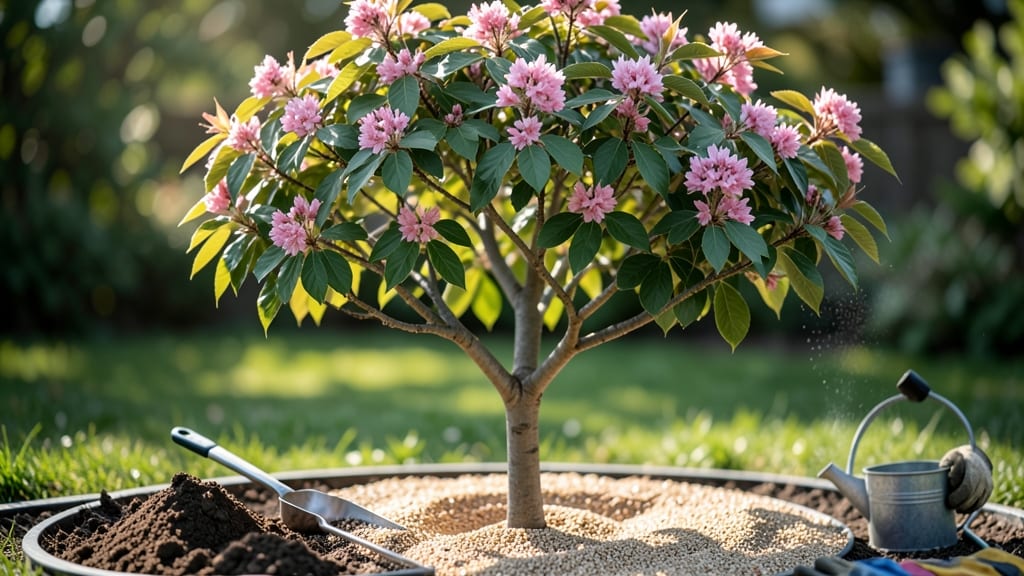
Mastering the flowering cherry tree fertilizer balance of nitrogen and potassium is the game-changer for showstopping spring blooms.
Struggling to get your flowering cherry tree to burst into stunning spring blooms year after year? The secret lies in understanding the precise nitrogen-potassium balance your tree needs—and when to apply it for maximum impact.
Too much nitrogen and you’ll end up with lush leaves but sparse flowers, while too little potassium can leave your tree vulnerable to stress. The key is timing—feeding in early spring to kickstart growth, then adjusting as the blooms appear.
In this guide, I’ll walk you through the best fertilizer types, seasonal schedules, and how to spot the signs of over- or under-feeding so your flowering cherry tree 🌸 puts on a dazzling show every year.
Optimal nitrogen-potassium ratios for flowering cherry tree growth and blooms
Your flowering cherry tree (Prunus serrulata) thrives when you balance its nitrogen (N) and potassium (K) needs—too much nitrogen fuels leafy growth at the expense of blooms, while potassium supports root strength and flower production.
The magic happens in the NPK ratio, and understanding seasonal adjustments will transform your tree from a modest performer to a showstopping spectacle each spring.
The key is timing: early spring focuses on root and shoot growth, bloom season prioritizes flower development, and post-flowering recovery rebuilds energy stores. For example, a 10-10-10 fertilizer in spring encourages balanced growth, while a 5-10-5 ratio during bloom season shifts focus to potassium for vibrant flowers and stronger stems.
Let’s break down the science—and practical application—behind these ratios.
Why the NPK balance matters: Nitrogen (N) drives leaf and stem growth, but excessive amounts delay flowering. Potassium (K), often overlooked, enhances bloom quality, disease resistance, and root development. Phosphorus (P) plays a supporting role by promoting energy transfer, but cherry trees don’t need as much as other ornamentals. The goal? A ratio that supports blooms without sacrificing foliage health.
| Growth Stage | Recommended NPK Ratio | Primary Focus | Application Timing | Frequency |
|---|---|---|---|---|
| Early Spring (Feb-Mar) | 10-10-10 | Root/shoot growth | Before bud break | Once |
| Bloom Season (Apr-May) | 5-10-5 | Flower production | Early April | Once |
| Post-Flowering (Jun-Jul) | 0-0-10 (Potassium boost) | Root recovery | After blooms fade | Once |
| Fall (Oct-Nov) | None (Dormancy) | Energy storage | N/A | N/A |
In early spring, a 10-10-10 ratio kickstarts growth by providing equal parts nitrogen and potassium. This balance ensures your tree isn’t overwhelmed by leafy growth while still building the energy it needs for future blooms.
Think of it as a foundation phase: healthy roots and stems set the stage for spectacular flowers later.
When buds form in late winter to early spring, switch to a 5-10-5 ratio to prioritize potassium. This shift signals the tree to allocate resources toward flower buds rather than excessive foliage.
Studies show that cherry trees with higher potassium levels during bloom season produce 20-30% more flowers and exhibit brighter petal colors. Apply this fertilizer in early April, just as buds swell but before they open.
After blooms fade, your tree enters a recovery phase. Here, a potassium-only boost (0-0-10) strengthens roots and prepares the tree for next year’s growth. Avoid nitrogen during this time—it can stimulate late-season growth that’s vulnerable to frost damage.
Instead, focus on root health with a side-dressing of potassium-rich fertilizer like greensand or wood ash.
One common mistake? Using the same high-nitrogen fertilizer year-round. This leads to lush leaves but sparse blooms, as the tree prioritizes foliage over reproductive growth. For example, a 20-5-10 fertilizer might produce a tree with football-sized leaves but only a handful of flowers.
To avoid this, test your soil in early spring—ideal pH for cherry trees is 6.0-7.0—and adjust your NPK ratios accordingly.
For organic gardeners, consider alternatives like fish emulsion (5-1-1) for early growth or wood ash (0-0-0.4 K) for potassium. Mix these with compost to create a slow-release nutrient blend tailored to your tree’s needs.
Synthetic fertilizers like 10-10-10 granules are faster-acting but require precise application to avoid root burn.
Pro tip: Pair your fertilizer schedule with deep watering. Potassium is water-soluble, so applying it during a dry spell can lead
Best organic and synthetic fertilizers for cherry blossom trees
Choosing the right flowering cherry tree fertilizer can transform your tree from a modest performer to a showstopping spring spectacle.
Unlike many trees, cherry blossoms thrive on a balanced nitrogen-potassium ratio—too much nitrogen leads to lush leaves but sparse blooms, while potassium deficiency weakens their disease resistance and winter hardiness. Let’s explore the top organic and synthetic options that deliver consistent results without breaking the bank.
For young trees or newly planted specimens, I recommend starting with a slow-release granular fertilizer like Osmocote Smart-Release Plant Food (14-14-14). This synthetic option provides steady nutrients over 6 months, aligning perfectly with the tree’s growth cycle.
Mature trees, on the other hand, often benefit from a two-step approach: early spring feeding with a high-phosphorus organic fertilizer (like bone meal) followed by a potassium-rich boost in late summer to prepare for winter.
Comparison table below breaks down the best options, including their NPK ratios, application methods, and cost-effectiveness for different stages of your cherry blossom’s life.
When applying organic fertilizers like fish emulsion or composted manure, I always recommend lightly watering the soil first to prevent nutrient burn. For synthetic options, follow the label instructions precisely—overapplying granular fertilizers can lead to salt buildup in the soil, which harms root health.
Pro tip: Mix a 1-inch layer of compost into the topsoil annually to improve microbial activity and nutrient availability.
Timing is everything with cherry blossoms. In early spring (March), focus on phosphorus-rich fertilizers like bone meal to encourage root growth and flower buds. By late summer (August), switch to a potassium-heavy formula to harden off the wood and prepare for winter.
Avoid fertilizing after mid-August, as new growth won’t have time to mature before frost.
For budget-conscious gardeners, composted manure and fish emulsion offer the best value, while slow-release granules provide convenience for those who prefer a hands-off approach. My personal favorite?
A combination of bone meal in early spring followed by potassium sulfate in late summer—this duo has given my 20-year-old cherry blossom the most vibrant blooms yet.
Remember, the goal is balanced growth, not just bigger blooms. A tree overloaded with nitrogen will produce fewer flowers but more leaves, so always prioritize a 10-10-10 or 5-10-5 ratio during the growing season. Happy fertilizing—your cherry blossom will thank you with showstopping spring color! 🌸