
Pruning
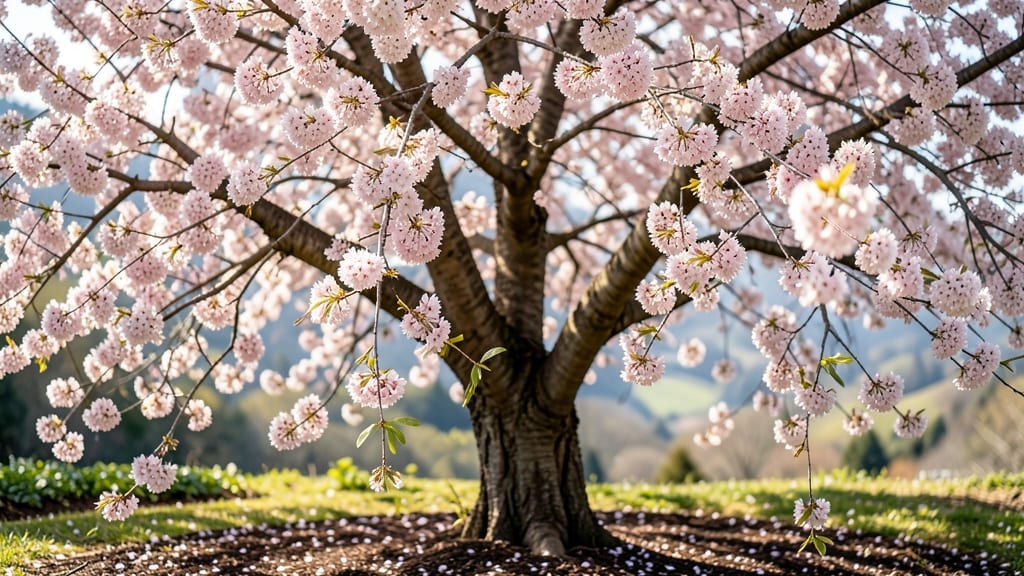
A flowering cherry tree's lifespan can span 30 to 50 years — or even longer — with the right care, though some varieties fade sooner if neglected.
Picture this: your 🌸 flowering cherry tree bursting with pink blossoms in spring, only to slowly lose its vigor over time. While these trees are stunning, their longevity depends on more than just luck — soil, pruning, and climate all play a role.
In General (Zone 6 default), most flowering cherry trees thrive for decades when planted in well-draining soil and given full sun. But even the hardiest varieties can decline faster if pests or diseases go unchecked.
Below, I’ll break down how to extend your tree’s life, from choosing the right species to spotting early signs of trouble before they become irreversible.
Flowering cherry tree lifespan by species: how long each variety thrives
If you've ever marveled at the pink blossoms of a flowering cherry tree in spring, you're not alone. These trees aren't just stunning—they can become long-term stars in your landscape with proper care. But how long do they live?
The answer varies dramatically by species, with some varieties thriving for 50+ years while others may only reach 20-30 years. Understanding these differences helps you choose the perfect tree for your yard and set realistic expectations for its lifespan.
Native to Japan and Korea, flowering cherry trees (Prunus serrulata and related species) evolved in diverse climates, from humid subtropical regions to cooler mountainous areas. Their natural habitats influence their adaptability and longevity.
For example, species from higher elevations often handle cold winters better, while lowland varieties may struggle in freezing temperatures. This diversity means some varieties flourish in USDA Zone 5, while others prefer Zone 7 or warmer.
Let's explore the lifespan ranges of popular varieties and what makes them tick. Whether you're planning a long-term investment in a backyard centerpiece or a temporary seasonal display, knowing these details will help you make an informed choice.
Some varieties even reward you with exceptional longevity when given the right conditions.
🌸
| Variety | Average Lifespan | Max Recorded Lifespan | Climate Adaptability | Key Care Tips |
|---|---|---|---|---|
| Yoshino Cherry (Prunus × yedoensis) | 30-50 years | 60+ years | Zones 5-8; cold-hardy | Prune after blooming; avoid wet soil |
| Kwanzan Cherry (Prunus serrulata 'Kwanzan') | 25-40 years | 50 years | Zones 5-9; heat-tolerant | Thin branches yearly; mulch well |
| Autumn Brilliance (Prunus × 'Autumn Brilliance') | 20-35 years | 40+ years | Zones 5-8; drought-resistant | Water deeply in summer; fertilize spring |
| Somei-Yoshino (Prunus × yedoensis 'Somei-Yoshino') | 40-60 years | 70+ years | Zones 5-8; cold-resistant | Avoid over-pruning; plant in full sun |
| Mount Fuji (Prunus serrulata* 'Mount Fuji') | 30-45 years | 50 years | Zones 6-9; heat and drought-tolerant | Prune lightly; water consistently |
The Yoshino cherry and its cultivar Somei-Yoshino are among the longest-lived varieties, often reaching 50-70 years with proper care. These trees thrive in cooler climates and are known for their prolific spring blooms.
In contrast, Kwanzan cherry trees, with their iconic double pink flowers, typically live 25-40 years but can reach 50 years in ideal conditions. Their slightly shorter lifespan is often due to their denser growth habit, which requires more pruning maintenance.
If you're in a warmer climate like Zone 9 or 10, consider Autumn Brilliance, which stands out for its vibrant fall foliage alongside spring blooms. This variety often lives 20-35 years but can exceed 40 years if protected from extreme heat stress.
Its drought tolerance makes it a great choice for low-maintenance landscapes.
For urban gardeners, Mount Fuji cherry is a fantastic pick due to its
Critical factors that extend or shorten a flowering cherry tree's lifespan
Your flowering cherry tree can thrive for 30-50 years with proper care, but neglect in just a few key areas can cut its lifespan dramatically. The difference between a decades-long showstopper and a struggling specimen often comes down to soil quality, watering habits, and pruning practices.
Let's break down the most critical factors that determine whether your tree will stand tall for generations or fade prematurely.
First, soil quality is non-negotiable. Flowering cherries prefer well-draining, slightly acidic soil (pH 5.5-6.5). Compacted or alkaline soil restricts root growth, making trees susceptible to disease and reducing nutrient uptake.
Amending with organic matter like compost or peat moss can make all the difference in extending your tree's health and longevity.
⚠️ WARNING: Common Mistakes That Shorten Lifespan
Next, watering practices play a pivotal role. While established trees are drought-tolerant, young specimens need consistent moisture—especially during their first 2-3 years. Deep watering once weekly (or more in extreme heat) encourages deep root growth, while shallow watering promotes weak, surface roots.
Mulching with 3-4 inches of organic mulch helps retain moisture and regulate soil temperature.
Disease resistance varies by species, but proper pruning is your best defense. Prune in late winter or early spring (before buds swell) to remove dead, diseased, or crossing branches. Avoid summer pruning, which stresses the tree and invites fungal infections.
Sterilize your tools with rubbing alcohol between cuts to prevent spreading bacterial canker, a common killer of flowering cherries.
Urban environments pose unique challenges. Air pollution from cars and industry can discolor leaves and reduce flowering. If your tree is near a busy street, consider foliar sprays with chelated iron or applying mycorrhizal fungi to boost root health.
Regularly washing leaves with water can also remove dust and grime that block sunlight.
Finally, seasonal care makes a surprising difference. Apply a balanced fertilizer (10-10-10) in early spring to support new growth, but avoid fertilizing in fall or winter. Winter protection—like wrapping young trees in burlap—can prevent winter burn in colder climates.
With these habits, your flowering cherry can easily outlive its expected lifespan and become a cherished family heirloom.