
Trees
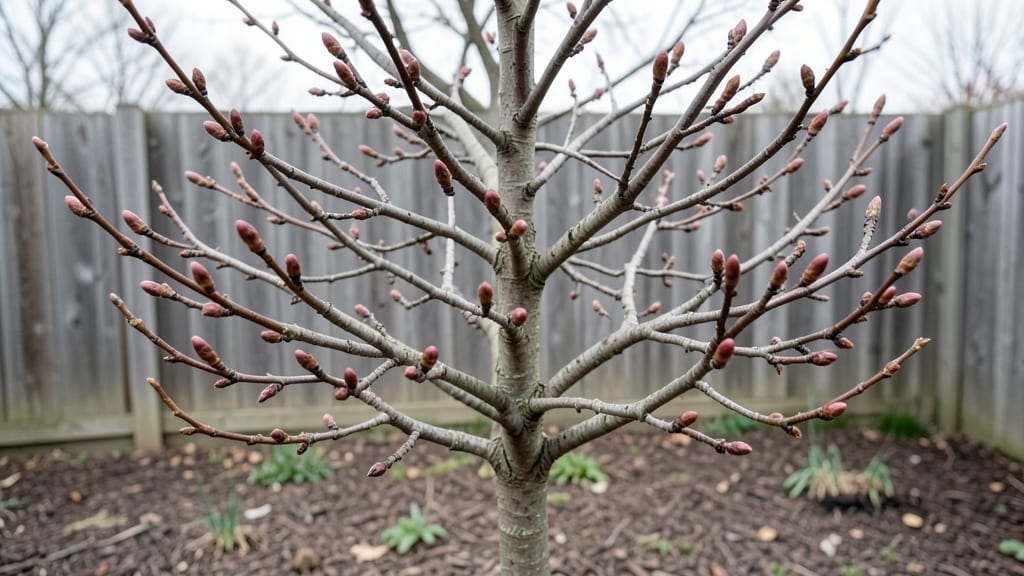
A flowering crabapple tree in winter 🌳 becomes a standout feature in any landscape, offering unexpected beauty when most gardens fade into dormancy.
Winter’s stark landscapes can be transformed with the delicate beauty of a flowering crabapple tree—its vibrant blooms and striking bark defying the cold. But how do you ensure your tree thrives when temperatures drop?
Beyond their famous spring blossoms, these trees shine in winter with textured bark and persistent seed pods, adding layers of interest when other plants rest. Discover how to protect your tree from frost damage and unlock its full year-round charm.
From choosing the hardiest varieties to winter care tips, you’ll learn how to keep your flowering crabapple tree healthy and stunning through the coldest months.
Best flowering crabapple tree varieties for winter hardiness and color
When winter’s chill arrives, most gardeners assume their trees retreat into dormancy—but flowering crabapple trees prove that beauty persists even in the cold. These hardy ornamentals offer vibrant blooms, striking bark, and colorful fruit that brighten snowy landscapes.
For gardeners in USDA zones 3-7, selecting the right variety ensures year-round interest without sacrificing resilience.
Not all crabapple trees thrive in winter, though. Some struggle with cold snaps, disease pressure, or branch breakage. That’s why I’ve curated a list of the top cold-hardy varieties that deliver bold colors, durable wood, and minimal winter damage.
Whether you prioritize pink blossoms, deep red fruit, or exfoliating bark, there’s a perfect match for your climate.
Comparison Table: Top Winter-Resistant Flowering Crabapple Varieties
The 'Adirondack' stands out for its exfoliating bark that adds winter texture, while 'Dolgo Crimson' offers deep red fruit that persists into winter. If you love white blossoms, 'Royal Raindrops' delivers a dramatic contrast against snow.
For maximum disease resistance, 'Centennial' and 'Dolgo' are top choices, both thriving in USDA zone 3.
When selecting a variety, consider your garden’s microclimate. Trees planted in windy areas may need staking to prevent branch breakage, while those in urban settings benefit from pollution-tolerant cultivars like 'Sargent'. Always choose a nursery-grown tree with a healthy root ball to ensure winter survival.
For extra winter interest, look for varieties with persistent fruit
Winter care tips: how to protect flowering crabapple trees from frost damage
When winter arrives, your flowering crabapple tree faces unique challenges that can damage its delicate structure and vibrant blooms. Cold snaps, frost heave, and winter winds can weaken branches and expose roots to freezing temperatures.
The key to preserving your tree’s health—and its stunning spring blooms—lies in proactive winter care. From mulching techniques to strategic pruning timing, small adjustments can make a big difference in how well your tree survives the cold months.
One common misconception is that dormant trees don’t need attention in winter. However, frost damage and sunscald can still occur, leaving your tree vulnerable to disease and poor growth.
By understanding the specific threats your crabapple faces and implementing targeted solutions, you can protect its bark integrity, root health, and overall vitality. Let’s dive into the essential steps to winterize your tree and set it up for a spectacular spring.
⚠️ Watch for frost cracks and sunscald!
Frost cracks appear as vertical splits in the tree bark during rapid temperature swings. Sunscald causes bark to peel or darken on sun-exposed sides. Both issues are common in flowering crabapple trees and can weaken the tree. To prevent them, apply a tree wrap in late fall and avoid pruning late in the season, which can stimulate new growth vulnerable to frost.
Start by focusing on mulching, which acts as an insulating blanket for your tree’s roots. Apply a 3-4 inch layer of organic mulch, like wood chips or shredded bark, around the base of the tree, keeping it 6 inches away from the trunk.
This layer helps regulate soil temperature, preventing root freeze-thaw cycles that can cause heaving. Organic mulch also breaks down over time, enriching the soil with nutrients your tree will need when spring arrives.
Watering in winter might seem counterintuitive, but deep, infrequent watering is crucial, especially during dry spells. Aim to water your tree once a month if natural precipitation is lacking, ensuring the soil remains moist but not waterlogged.
This practice prevents root desiccation and supports the tree’s ability to absorb nutrients even in dormancy. Always water in the early morning to allow excess moisture to evaporate before nighttime freezing.
Pruning plays a critical role in winter care, but timing is everything. Avoid pruning during late fall or winter, as new growth is highly susceptible to frost damage. Instead, focus on late winter or early spring pruning (just before buds swell) to remove dead, diseased, or crossing branches.
This not only improves air circulation but also reduces the risk of branch breakage under heavy snow or ice. Use clean, sharp pruners and make cuts just outside the branch collar for the cleanest, fastest healing.
Wind protection is another often-overlooked aspect of winter care. Strong winds can desiccate bark and disrupt root systems, especially in young or newly planted trees.
Consider installing a windbreak, such as a temporary fence or burlap barrier, on the north and west sides of your tree, where cold winds are most likely to strike. For established trees, a tree guard or even strategically placed evergreens can create a natural windbreak.
Finally, monitor your tree throughout winter for signs of stress, such as peeling bark, wilted branches, or excessive sap flow. These symptoms can indicate frost damage or insect activity, both of which require immediate attention.
If you notice any issues, address them promptly—whether it’s applying a protective tree sealant or adjusting your care routine. With the right winter care, your flowering crabapple tree will reward you with vibrant blooms and robust growth come spring.