
Trees
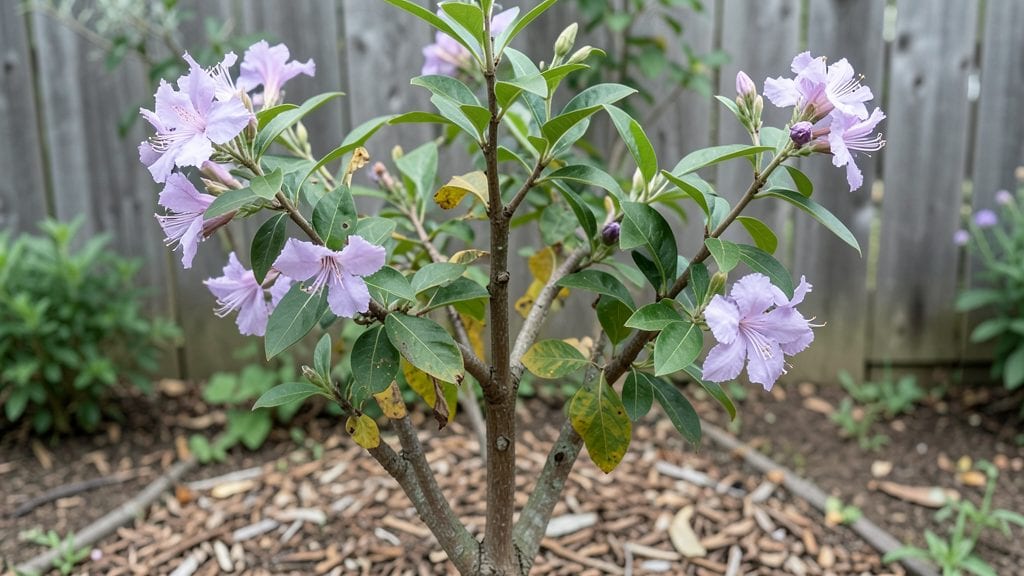
Your flowering crape myrtle 🌸 could be bursting with vibrant blooms every year—if you prune it the right way.
Struggling to get your flowering crape myrtle to burst into vibrant blooms year after year? The secret lies in strategic pruning—done right, it can transform a sparse shrub into a showstopping floral display.
Most gardeners overlook the timing and technique, which means missed blooms and leggy branches. But with just a few simple adjustments, you can encourage lush growth and longer-lasting flowers that turn heads in your yard.
Here’s how to prune for maximum blooms, avoid common mistakes, and keep your crape myrtle thriving for years to come—no guesswork required.
When and how to prune flowering crape myrtle for maximum blooms
Your flowering crape myrtle thrives when pruned correctly, but timing and technique make all the difference. Many gardeners accidentally kill blooms by pruning at the wrong time or cutting too aggressively. The key is understanding when to prune to encourage new growth and repeat flowering—not just shaping the plant.
If you’ve heard the term “crape murder”, it refers to over-pruning that leaves ugly stubs and stunts flowering. We’ll debunk this myth and show you the proper cuts for a bushy, blooming crape myrtle that looks stunning year after year.
Let’s start with the best time to prune and why it matters.
Timing is everything when it comes to flowering crape myrtles. Pruning too early in spring can remove next year’s flower buds, which form on new wood.
Always wait until you see buds swelling (a sign of new growth) before pruning. This ensures your plant has time to develop vibrant blooms for the season.
For mature crape myrtles, focus on renewal pruning every 2-3 years. This involves cutting back older branches to encourage younger, more productive growth. Just remember: less is more. Over-pruning leads to sparse foliage and fewer flowers, so take your time and observe the plant’s natural shape.
After pruning, give your crape myrtle a light fertilizer application (like a 10-10-10 blend) to support new growth. Water deeply to help the plant recover, but avoid overwatering, which can cause root rot. Mulch around the base to retain moisture and protect roots during hot summers.
One common mistake is pruning in fall or winter. This can leave your plant vulnerable to cold damage and reduces its ability to rebloom the following year. Instead, focus on late winter pruning to give your crape myrtle a head start on the growing season.
With the right timing and technique, your flowering crape myrtle will reward you with longer, more abundant blooms every year.
🌸
Common pruning mistakes that kill your crape myrtle’s flowers
Your flowering crape myrtle might look healthy, but if you're not pruning correctly, you could be accidentally stunting its bloom production for years. Many gardeners unknowingly make critical pruning errors that leave their plants sparse and less vibrant.
The good news? Fixing these mistakes is easier than you think—and it starts with understanding what to avoid.
One of the biggest misconceptions is that aggressive pruning equals better shape. In reality, over-pruning can reduce next year’s flowers by removing too many flower buds that form on old wood.
Crape myrtles bloom on current season’s growth, so cutting back too hard sends mixed signals to the plant. Let’s explore the most common mistakes and how to correct them before it’s too late.
⚠️ Warning: These Pruning Mistakes Are Killing Your Crape Myrtle’s Flowers
Mistake 1: Pruning in fall or winter—this removes next year’s flower buds that form on old wood during late summer and fall.
Mistake 2: Cutting into old wood (brown, woody stems)—this eliminates future blooms and weakens the plant’s structure.
Mistake 3: Ignoring dead or diseased branches—they spread problems and drain energy from healthy growth.
Mistake 4: Using dull or dirty pruners—jagged cuts invite disease and slow healing.
Fix it: Prune only in late winter or early spring (just before buds swell). Target only dead wood and shape lightly—never cut more than 25% of the plant at once.
Let’s start with the most damaging mistake: pruning at the wrong time. Many gardeners reach for their shears in fall or winter to "clean up" their crape myrtle, but this is when flower buds are forming on old wood.
If you cut into these branches, you’re essentially removing next year’s blooms before they even appear. The best time to prune is late winter or early spring, just as new growth begins.
Another common error is cutting into old wood—those thick, brown stems that have been around for years. These branches hold dormant flower buds, and pruning them too aggressively can leave your plant looking bare.
Instead, focus on removing only dead or crossing branches and lightly shaping the plant. Think of it as a haircut for your shrub: you want to encourage fullness, not bald spots.
Don’t overlook dead or diseased branches, either. These can spread problems to healthy parts of the plant and reduce overall vigor. Use sharp, clean pruners to make clean cuts just above a leaf node or outward-facing bud.
If you see mushy stems, discoloration, or holes, remove those branches immediately. This keeps your crape myrtle healthy and blooming for seasons to come.
Finally, using dull or dirty pruners can do more harm than good. Jagged cuts slow healing and invite pests and disease. Always sterilize your tools with rubbing alcohol before and after pruning, and sharpen your blades regularly.
A sharp cut heals faster and looks cleaner—plus, it’s less stressful for the plant.
By avoiding these common pruning mistakes, your flowering crape myrtle will reward you with longer, more abundant blooms each year. Start with a light pruning session this late winter, and watch your plant thrive! ✂️🌸