
Blooming
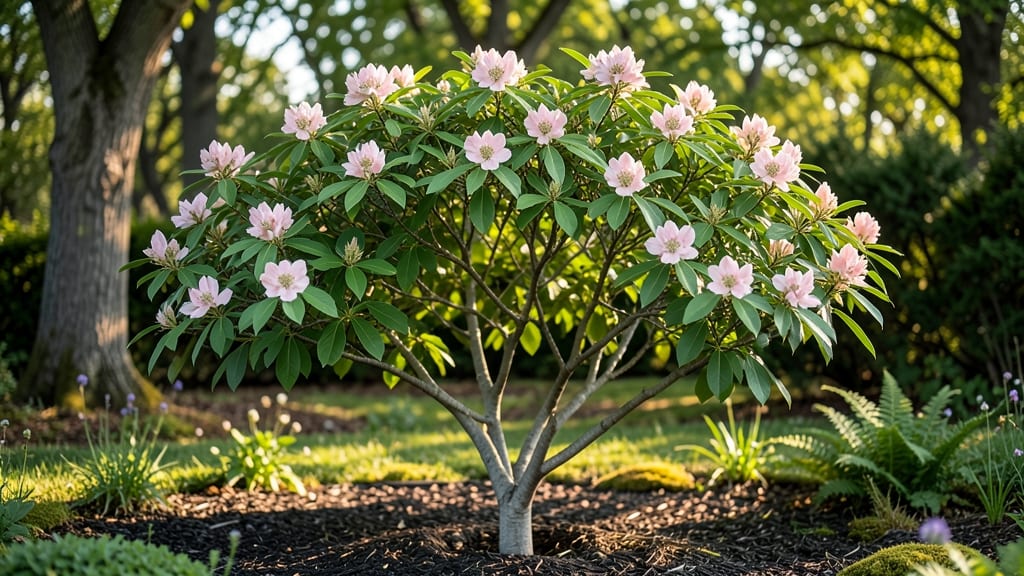
The breathtaking flowering dogwood bloom 🌸 is what turns your spring garden into a living masterpiece—but if you prune at the wrong time, you could lose next year’s show.
Picture this: your dogwood stands tall, its branches heavy with rosy-pink bracts that outshine every tulip in the yard. Then, after one careless cut, those blooms vanish. It’s not just a missed season; it’s a lesson in patience and timing.
Dogwoods bloom on last year’s wood, meaning the buds that will become next spring’s flowers form in late summer and early fall. Prune too early or too late, and you risk cutting off those hidden buds before they’ve had a chance to develop.
In this guide, I’ll walk you through the exact pruning window to protect your dogwood’s blooms, how to shape it without sacrificing flowers, and the three biggest mistakes that turn lush canopies into bare branches.
Best pruning timeline for flowering dogwood trees to maximize blooms
Flowering dogwoods (Cornus florida) dazzle with their spring blooms before leaves even appear—a botanical marvel that makes timing your pruning critical. Unlike many trees, dogwoods set their flower buds on last year’s wood, meaning aggressive cuts now could mean fewer flowers next year.
Understanding the science behind their bloom cycle helps you prune without sacrificing that showstopping display.
The key to preserving flowering dogwood blooms lies in recognizing when your tree is dormant but not yet active. Pruning too early risks cutting off hidden buds, while waiting too long encourages overgrowth that blocks sunlight from the center.
Here’s how to navigate the ideal pruning windows to keep your dogwood thriving and blooming abundantly.
🌱 Comparison Table: Late Winter vs. Early Spring Pruning for Dogwoods
Late winter—specifically February to early March—is the safest window for pruning dogwoods because the tree is still fully dormant, and you can remove dead or crossing branches without disturbing next year’s flower buds.
Look for branches that are brown, brittle, or rubbing against others; these can be trimmed back to a healthy bud or branch collar.
If you miss the late winter window, wait until after the blooms fade in early spring (typically April in most climates). However, this is a riskier time because new growth has already begun, and you must avoid cutting into last year’s wood where the buds are hidden.
Limit pruning to 10-15% of the canopy to maintain the tree’s health and flowering potential.
One common misconception is that dogwoods can handle summer pruning like other trees. But dogwoods never set flower buds on new growth—meaning any cuts made after early spring will never produce blooms the following year. Instead, focus on mulching and watering deeply to support the tree’s natural cycle.
To identify where flower buds are located, examine the branch structure closely. Buds form in the axils of last year’s leaves, appearing as small, swollen nodes along the stems. If you’re unsure, err on the side of caution and make minimal cuts.
A well-shaped dogwood with open centers allows sunlight to reach the inner branches, encouraging more robust blooms.
For young dogwood trees (under 5 years old), pruning is even more delicate. Focus on removing only the most problematic branches—such as those growing toward the center—to maintain an open vase shape.
Avoid topping or shearing, as these practices stimulate weak, non-flowering growth and can stunt the tree’s maturity.
If your dogwood has fewer blooms than expected, it may be a sign of over-pruning in previous years. In this case, pause pruning entirely for 1-2 seasons to allow the tree to recover.
Healthy dogwoods typically produce 200-300 flowers per tree, so a dramatic drop in blooms is often a red flag for stress or improper care.
Pro tip: Use sterilized pruning tools to prevent bacterial or fungal infections, which can further stress the tree. After pruning, apply a 2-3 inch layer of mulch around the base (but not touching the trunk) to retain moisture and regulate soil temperature—critical for bud development.
Remember, the goal is to enhance the tree’s natural form while preserving its flowering potential. With the right timing and technique, your flowering dogwood will continue to deliver season-after-season spectacle for decades. 🌸
Step-by-step pruning guide: how to shape dogwoods without sacrificing flowers
Pruning your flowering dogwood (Cornus florida) is like sculpting a living work of art—every cut shapes both the tree’s structure and its future flowering dogwood bloom. The key is patience and precision, since these trees produce buds on last year’s wood.
Cut too aggressively, and you risk next spring’s showstopper display. I’ll walk you through the exact steps to maintain that natural vase shape while keeping your dogwood healthy and blooming.
Start by gathering your tools: sharp pruning shears for small branches, loppers for thicker limbs, and a pruning saw for any stubborn wood. Sterilize your tools with rubbing alcohol to prevent spreading disease.
Work on a dry, clear day when the tree isn’t stressed, and always prune just outside the branch collar to encourage proper healing. Your goal is to remove only what’s necessary while preserving the tree’s natural beauty.
Step-by-Step Pruning for Flowering Dogwoods
-
Step 1: Remove Dead or Diseased Wood
Start by cutting out any dead branches or limbs showing signs of disease (fungus, cankers). These cuts won’t affect blooms since dead wood won’t produce buds.
-
Step 2: Thin Out Crossing Branches
Identify branches that cross or rub against each other. Remove the smaller or weaker branch to prevent future damage and improve airflow for flowering dogwood bloom health.
-
Step 3: Maintain the Vase Shape
Focus on preserving the tree’s natural vase shape. Trim back any branches growing inward or downward to open the canopy and allow sunlight to reach the center.
-
Step 4: Lightly Prune for Air Circulation
Remove up to 25% of the tree’s branches to improve air circulation. Avoid heavy pruning—never cut more than one-third of the canopy in a single session.
-
Step 5: Clean Up and Seal Cuts
After pruning, clean up fallen debris and apply a pruning sealant (optional) to larger cuts to prevent disease entry. Water the base of the tree to reduce stress.
Timing matters just as much as technique. For flowering dogwoods, late winter or early spring (just after blooms fade) is ideal. This ensures you’re not cutting off next year’s flower buds, which form on last year’s growth.
Avoid pruning in fall, as new cuts won’t have time to heal before winter stress sets in. If you must prune in summer, do so lightly to avoid shocking the tree during its growing season.
One common mistake I see is over-pruning to "open up" the tree. While airflow is important, flowering dogwoods thrive on a balanced approach. Never remove more than 25% of the canopy in one year, and always prioritize structural integrity over aesthetic perfection.
Your goal is to enhance the tree’s natural beauty, not force it into an unnatural shape. Think of each cut as a brushstroke—subtle and intentional.
After pruning, monitor your dogwood for signs of stress, like wilting or yellowing leaves. If you notice these, adjust your watering (deep soaks weekly) and avoid fertilizing until the tree recovers.
With the right approach, your flowering dogwood bloom will reward you with even more vibrant displays for years to come. Happy pruning!