
Trees
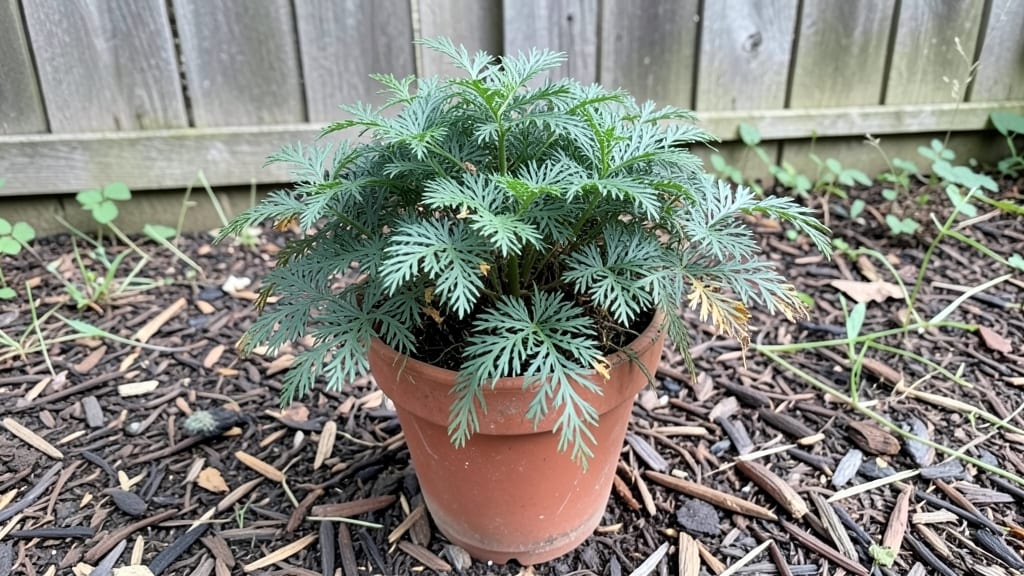
Growing a flowering fern tree 🌿 means adding a showstopper to your yard that blooms almost year-round with delicate, fern-like foliage.
Imagine a tree that bursts with vibrant blooms year-round while adding delicate fern-like texture to your landscape—this is the magic of the flowering fern tree, a stunning hybrid that blends beauty with low-maintenance resilience.
Unlike fussy plants, it thrives in partial shade and needs just moderate watering, making it perfect for busy gardeners.
Planting in spring (April-May) in well-draining soil sets the stage for years of effortless beauty. With the right care, your flowering fern tree will grow into a 10-25-foot centerpiece that attracts pollinators and turns heads.
Inside, I’ll walk you through the easiest planting steps, how to keep it blooming, and the common mistakes that can stunt its growth—so you can enjoy its lush charm without the guesswork.
Flowering fern tree varieties: choosing the perfect blooming species for your climate
Selecting the right flowering fern tree depends on your USDA hardiness zone and desired bloom colors. These unique hybrids combine fern-like foliage with stunning flowers, creating year-round interest. Let’s explore the top varieties that thrive in different climates and landscapes.
If you live in zones 7-9, you’ll find the most options, but some varieties stretch into zones 5-6 with proper care. Each species offers distinct growth habits—from compact shrubs to small trees—so choose based on your space and aesthetic goals.
Here’s a detailed comparison to help you pick the perfect flowering fern tree for your garden’s conditions.
For cooler climates (zones 5-6), prioritize Cytisus or Chamaecytisus—their drought tolerance and compact growth make them ideal for small spaces. In warmer zones (8-10), Carmichaelia and Laburnum shine with their vibrant blooms and adaptability.
If you’re planting in containers, Chamaecytisus is the best choice due to its small stature and low maintenance. For pollinator gardens, Carmichaelia attracts bees and butterflies with its bright yellow-orange flowers.
Consider your soil type—most flowering fern trees prefer well-draining, slightly acidic soil. Amend heavy clay with compost or sand to improve drainage and root health.
For year-round interest, pair your flowering fern tree with evergreen shrubs or ornamental grasses. Their fern-like foliage adds
Step-by-step guide to planting and pruning for maximum blooms
Transforming your yard with a flowering fern tree starts with the right planting and pruning techniques. These steps will ensure your tree thrives, producing dense foliage and continuous blooms year-round.
Whether you're a beginner or a seasoned gardener, following this guide will help you achieve the lush, vibrant tree you envision.
Before diving into the process, gather your tools and materials. You'll need well-draining soil, a shovel, pruning shears, mulch, and a watering can.
Also, ensure you've chosen the perfect location—one that offers partial shade and protection from harsh afternoon sunlight, which is crucial for the health of your flowering fern tree.
Step-by-Step Planting and Pruning Guide
- 1 Choose the Right Location: Select a spot with partial shade and well-draining soil. Avoid areas with standing water or compacted soil.
- 2 Prepare the Soil: Loosen the soil to a depth of 12 inches and mix in compost or organic matter to improve drainage and fertility.
- 3 Plant at the Right Depth: Dig a hole twice as wide as the root ball and just as deep. Place the tree so the top of the root ball is level with the ground.
- 4 Water Thoroughly: After planting, water the tree deeply to settle the soil around the roots. Provide 1-2 gallons of water to ensure the roots establish well.
- 5 Apply Mulch: Spread a 2-3 inch layer of mulch around the base of the tree, keeping it 6 inches away from the trunk to prevent rot.
- 6 Prune for Shape and Health: Use clean, sharp pruning shears to remove dead, diseased, or crossing branches. Prune in late winter or early spring before new growth begins.
- 7 Encourage Blooms: Lightly prune 1/3 of the oldest stems annually to promote new growth and continuous flowering. Avoid heavy pruning, which can reduce bloom production.
Seasonal pruning is key to maintaining your flowering fern tree. In spring, focus on shaping the tree and removing any damaged branches.
During summer, keep an eye out for overgrown branches and trim them back to maintain an open canopy, allowing sunlight to reach all parts of the tree. In fall, reduce pruning to minimal cleanup, and avoid pruning in winter as it can stress the tree.
With these planting and pruning steps, your flowering fern tree will reward you with year-round blooms and lush foliage. Remember, consistency is key—regular care and attention will ensure your tree stays healthy and vibrant for years to come. Happy gardening!