
Plants
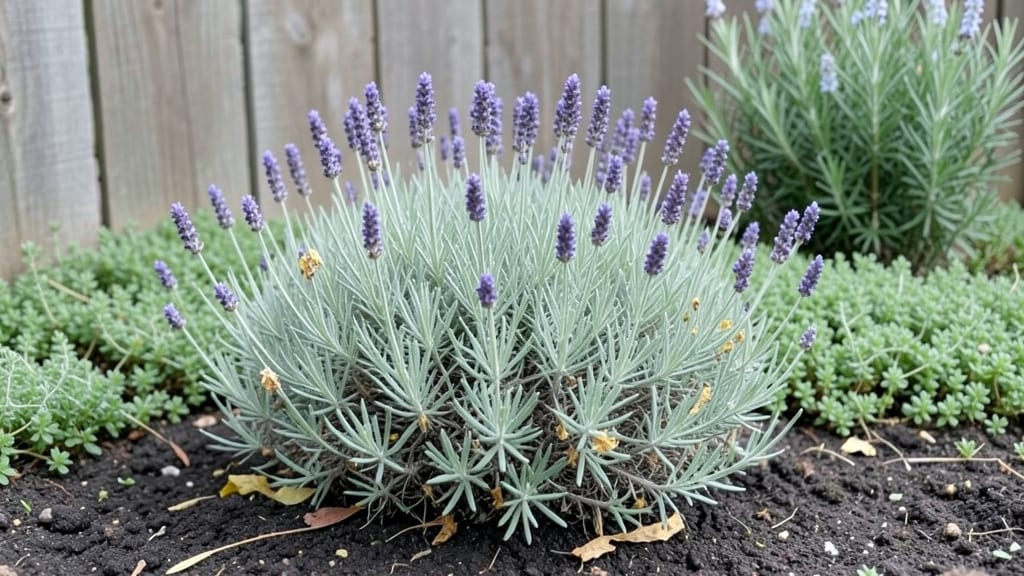
A flowering herb garden turns your yard into a fragrant, edible landscape where every bloom tastes as good as it looks 🌸🌿.
Imagine plucking basil flowers to garnish your caprese salad or harvesting borage blossoms to drop into a summer cocktail—all while your garden stays lush and low-maintenance. This isn’t just decor; it’s a dual-purpose powerhouse that saves money at the grocery store and adds color to your plate.
In Zone 6, the best time to start is March or April, after the last frost, when soil warms to 60°F. Pair sun-loving herbs like rosemary with lavender for a fragrant border, or tuck chives between marigolds for a pollinator-friendly edge.
The key is well-draining soil and 6+ hours of sunlight—then let nature do the rest.
Below, I’ll walk you through 10 must-have herbs, how to arrange them for beauty and bounty, and the easiest ways to use their blooms in cooking, teas, and even homemade remedies. Ready to grow what you eat—and eat what you grow?
Top 10 edible flowering herbs for your garden and kitchen
A flowering herb garden blends beauty and utility, offering edible blooms that elevate both your dishes and your landscape. These culinary herbs don’t just stop at leaves—their bright flowers are packed with flavor and color.
Whether you’re adding nasturtium petals to salads or steeping chamomile blossoms for tea, these plants turn your garden into a flavorful paradise. Let’s explore the top 10 edible flowering herbs that will transform your garden and kitchen.
From borage’s cucumber-like flowers to calendula’s citrusy petals, each herb brings unique flavors and textures to your meals. They also attract pollinators like bees and butterflies, making your garden a vibrant ecosystem.
Plus, their companion planting benefits can deter pests naturally, reducing the need for harsh chemicals. Whether you’re a beginner gardener or a seasoned pro, these herbs are easy to grow and rewarding to harvest.
| Herb Name | Sunlight Needs | Water Needs | Mature Size | Harvest Time | Culinary Use |
|---|---|---|---|---|---|
| Nasturtium | Full Sun | Moderate | 1–3 ft | Summer–Fall | Peppery salads, garnishes |
| Calendula | Full Sun | Moderate | 1–2 ft | Summer–Fall | Citrusy teas, soups |
| Chamomile | Full Sun–Partial Shade | Low | 1–2 ft | Summer–Fall | Calming tea, honey infusion |
| Borage | Full Sun | Moderate | 2–3 ft | Summer–Fall | Cucumber-flavored drinks |
| Violet | Partial Shade | Moderate | 4–6 in | Spring–Summer | Sweet desserts, syrups |
| Basil | Full Sun | Moderate | 1–2 ft | Summer–Fall | Pesto, garnishes |
| Lavender | Full Sun | Low | 1–3 ft | Summer–Fall | Fragrant desserts, teas |
| Thyme | Full Sun | Low | 6–12 in | Summer–Fall | Herb blends, garnishes |
| Marigold | Full Sun | Moderate | 1–2 ft | Summer–Fall | Pesto, pest deterrent |
| Chive | Full Sun–Partial Shade | Moderate | 1–2 ft | Summer–Fall | Onion-flavored garnishes |
Starting with nasturtiums, these edible flowers are a gardener’s dream. Their bright orange and yellow blooms add a pop of color while their peppery taste mimics watercress. Plant them near tomatoes and cucumbers to deter pests like aphids and squash bugs.
Harvest the young leaves and flowers for salads or use them as a garnish for soups. They thrive in well-draining soil and full sun, making them perfect for container gardens or hanging baskets.
Calendula, or pot marigold, is another must-have herb for your garden. Its bright orange and yellow flowers are not only beautiful but also edible and medicinal. Use the petals in salads or infuse them in oil for healing balms. Calendula attracts beneficial insects like ladybugs, which help control garden pests. Pair it with basil and thyme for a fragrant herb bed. It’s drought-tolerant once established, making it low-maintenance.
For a soothing and sweet addition, chamomile is a gentle giant in the herb world. Its white and yellow daisies are perfect for calming teas and honey infusions. Chamomile thrives in partial shade and well-draining soil, making it ideal for woodland gardens or shady borders.
Plant it near lavender and rosemary to create a relaxing herb
How to design a thriving flowering herb garden layout
A flowering herb garden blends beauty and utility, but designing one requires careful planning. Start by assessing your space—whether it's a sunny backyard, a balcony, or even a windowsill. The key is balancing sunlight needs, soil health, and plant spacing to ensure every herb thrives and blooms.
For example, basil and chives love full sun, while mint and thyme tolerate partial shade. Your layout should also account for companion planting to deter pests and boost growth.
Before digging, sketch a rough garden map to visualize plant placements. Group herbs with similar watering needs and sunlight requirements together. For instance, pair rosemary and lavender in one section—they both thrive in dry, sunny conditions.
Leave space between taller herbs like dill and shorter ones like oregano to prevent shading. Containers are perfect for small spaces, allowing you to move herbs to follow the sun or protect them from frost.
- Step 1: Choose Your Location – Pick a spot with 6+ hours of sunlight for most herbs. South-facing areas are ideal in the Northern Hemisphere.
- Step 2: Test and Amend Soil – Herbs prefer well-draining, slightly acidic soil (pH 6.0–7.0). Mix in compost or aged manure for nutrients.
- Step 3: Plan Your Layout – Draw a sketch grouping sun-loving herbs (basil, thyme) together and shade-tolerant herbs (mint, parsley) separately.
- Step 4: Space Plants Properly – Follow plant spacing guidelines: 12–18 inches apart for most herbs, 24 inches for tall varieties like dill.
- Step 5: Add Mulch – Use organic mulch (straw, wood chips) to retain moisture, suppress weeds, and regulate soil temperature.
- Step 6: Water Consistently – Water in the morning to reduce evaporation and fungal risks. Aim for 1 inch of water per week.
- Step 7: Fertilize Lightly – Use a balanced fertilizer (5-10-5) every 4–6 weeks during the growing season.
- Step 8: Prune Regularly – Pinch back flowering stems to encourage bushier growth and prolong blooming.
For small spaces or urban balconies, containers are a game-changer. Use deep pots (12+ inches) for herbs like rosemary and lavender, which need room for roots. Mix herbs with complementary flowers—like nasturtiums with basil—to create a vibrant, pollinator-friendly display.
Ensure containers have drainage holes to prevent root rot, and use lightweight potting mix. Rotate containers seasonally to maximize sun exposure.
Don’t forget to include edible flowers like calendula or borage to attract beneficial insects while adding color. These blooms not only enhance your garden’s aesthetics but also provide culinary and medicinal benefits.
For instance, calendula petals add a peppery note to salads, while borage flowers infuse drinks with a cucumber-like flavor. Plan your garden in layers: tall herbs at the back, medium-height in the middle, and spreading varieties like thyme at the front.
Finally, maintain your garden with regular pruning and weeding. Remove spent blooms to encourage new growth, and harvest herbs in the morning for peak flavor. With the right layout, your flowering herb garden will be a fragrant, productive, and visually stunning addition to your outdoor space. Happy gardening! 🌸