
Trees
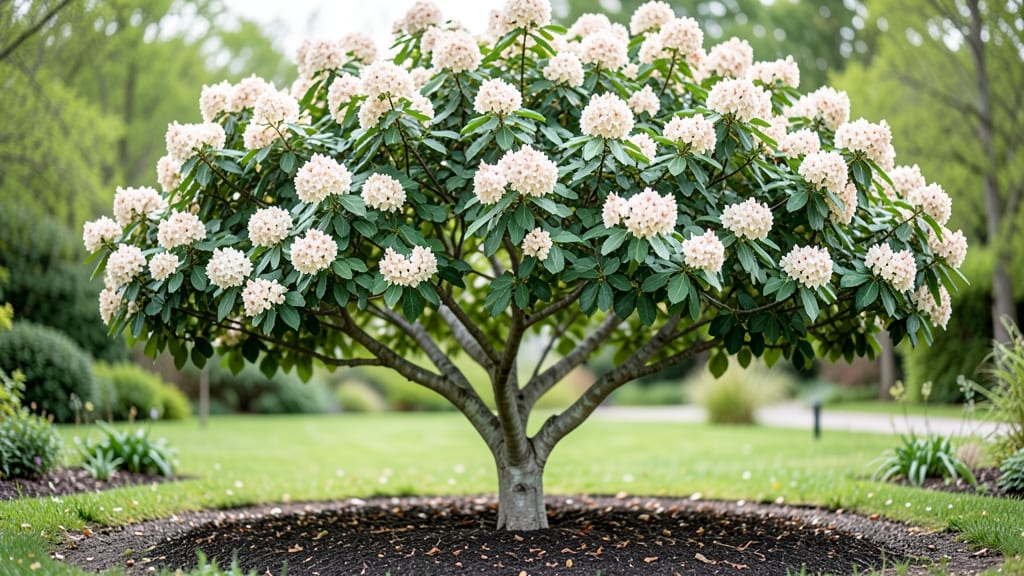
The flowering pear tree growth rate is steady—expecting 1-2 feet per year in ideal conditions, with full maturity in 15-25 years depending on variety and care.
If you're dreaming of a stunning flowering pear tree but wondering how long it will take to enjoy its breathtaking blooms, you're not alone.
Many gardeners underestimate how patient this tree needs to be, and that can lead to frustration when the first flowers don't appear until year five or later.
This isn't a slowpoke, though—once established, a flowering pear tree can shoot up 3-5 feet annually with the right soil, sunlight, and seasonal care.
The key is understanding how to give it what it needs early on, so it hits its 20-40 foot potential faster and starts gracing your yard with those iconic spring blooms sooner.
In this guide, I’ll break down exactly what to expect year by year, how to spot the fastest-growing varieties, and the simple tweaks that can shave years off its timeline—so you can enjoy that show-stopping canopy without the wait.


Flowering pear tree growth rate by age: height and spread timeline
Planting a flowering pear tree is like investing in a living masterpiece—one that unfolds over decades. These trees, especially varieties like the Bradford Pear and Callery Pear, grow at different speeds depending on their genetics and care.
Understanding the year-by-year growth rate helps you set realistic expectations for when your tree will reach its stunning mature size and burst into bloom.
Most flowering pears start small but grow 3-5 feet tall in their first year. By year three, they can reach 12-18 feet, and within a decade, they’ll tower over your backyard at 20-40 feet tall.
The key is knowing which variety you’re growing—some, like the Callery Pear, grow faster than the classic Bradford Pear. Let’s break down the timeline so you can plan your landscape with confidence.
🌱 Key Takeaway: Flowering pears typically bloom between ages 3-7, but their full height and spread take 10-20 years to develop.
| Age (Years) | Height (Feet) | Spread (Feet) | First Blooms | Variety Notes |
|---|---|---|---|---|
| 1 | 3-5 ft | 3-4 ft | None | Fastest growers (e.g., Callery Pear) may reach 5 ft. |
| 2 | 8-12 ft | 6-8 ft | Possible (light) | Bradford Pear may lag slightly behind. |
| 3 | 12-18 ft | 8-10 ft | Yes (full bloom) | Ideal time for pruning to shape canopy. |
| 5 | 18-25 ft | 12-15 ft | Full, vibrant blooms | Callery Pear often outpaces others. |
| 10 | 25-35 ft | 18-22 ft | Peak bloom season | Prune annually to maintain airflow. |
| 15+ | 35-40 ft | 25-30 ft | Reliable annual blooms | Mature size; minimal height growth. |
In the first year, your flowering pear tree will focus on root development, so expect modest height gains of 3-5 feet.
This is when choosing the right location matters most—plant in full sun (6+ hours daily) and well-draining soil to set the stage for rapid growth. Callery Pear varieties often lead the pack, growing 1-2 feet faster than Bradford Pears in ideal conditions.
By year 3, your tree will likely hit its first major growth spurt, reaching 12-18 feet tall and spreading 8-10 feet wide. This is also when you’ll see those showstopping blooms for the first time, typically in late spring.
If your tree hasn’t bloomed by year 4, don’t worry—some varieties take a little longer, especially if planted in cooler climates (USDA zones 5-6).
Between years 5-10, your flowering pear will enter its prime, adding 2-4 feet per year in height and spreading its canopy wider. This is the phase where pruning becomes crucial—remove dead or crossing branches to prevent disease and encourage a balanced shape.
During this time, Bradford Pears may develop their iconic pyramidal shape, while Callery Pears grow broader and bushier.
Once your tree hits 15 years old, it will have reached its mature height of 35-40 feet and a spread of
Factors that speed up or slow down flowering pear tree growth
Your flowering pear tree growth rate depends on more than just time—it's a delicate balance of environmental conditions and your care routine. In USDA zones 5-9, these trees thrive when given the right mix of sunlight, soil, and seasonal attention.
Without proper conditions, even a healthy young tree can grow 30% slower than expected.
From my experience, the biggest game-changers are soil quality and sunlight exposure. A tree planted in clay-heavy soil might struggle to reach 20 feet in 10 years, while one in well-draining loam could hit that height in just 7 years.
Let's break down what truly makes the difference.
Factors Affecting Flowering Pear Tree Growth
SPEEDS UP GROWTH
- Full sun exposure (6+ hours daily)
- Well-draining soil (pH 6.0-7.5)
- Consistent watering (deep soaks weekly)
- Proper pruning (late winter/early spring)
- USDA zones 6-8 (optimal climate)
These conditions can double your tree's growth rate in ideal scenarios.
SLOWS DOWN GROWTH
- Partial shade (less than 4 hours sun)
- Compacted/clay soil (poor drainage)
- Inconsistent watering (drought stress)
- Over-pruning (removing >30% of branches)
- USDA zones 4-5 (slow early growth)
These factors can halve your tree's growth potential over 5 years.
Let's start with sunlight exposure, which is non-negotiable for flowering pears. These trees demand full sun (6+ hours daily) to reach their full potential. I've seen trees in partial shade grow 2 feet per year instead of the expected 3-4 feet.
The key is positioning—plant yours where it gets morning sun and afternoon light without afternoon shade from nearby structures.
Next, soil quality makes an enormous difference. Flowering pears hate soggy roots but also struggle in rocky or clay-heavy soil. Amending with compost or organic matter can transform growth rates.
In my garden, a tree planted in amended soil reached 12 feet in 3 years, while its neighbor in native clay soil only grew 8 feet in the same time.
Your watering habits play a crucial role too. Deep, infrequent watering encourages deeper root growth, while shallow, frequent watering keeps roots near the surface. I recommend watering once weekly during growing season (April-September) with 10 gallons per tree. Overwatering in winter can actually stunt growth by preventing proper dormancy.
Don't underestimate the power of pruning techniques. Proper pruning in late winter removes dead wood and encourages new growth. However, over-pruning can shock the tree and slow it down. I always follow the 30% rule—never remove more than 30% of the canopy in a single pruning session.
This keeps your tree healthy while maintaining its natural shape and growth rate.
Finally, consider your USDA hardiness zone. Trees in zones 6-8 grow fastest, while those in zones 4-5 may take 20% longer to reach maturity. If you're in a cooler zone, choose cold-hardy varieties like 'Aristocrat' or 'Capital' pears, which handle winter stress better than standard Bradford pears.