
Trees
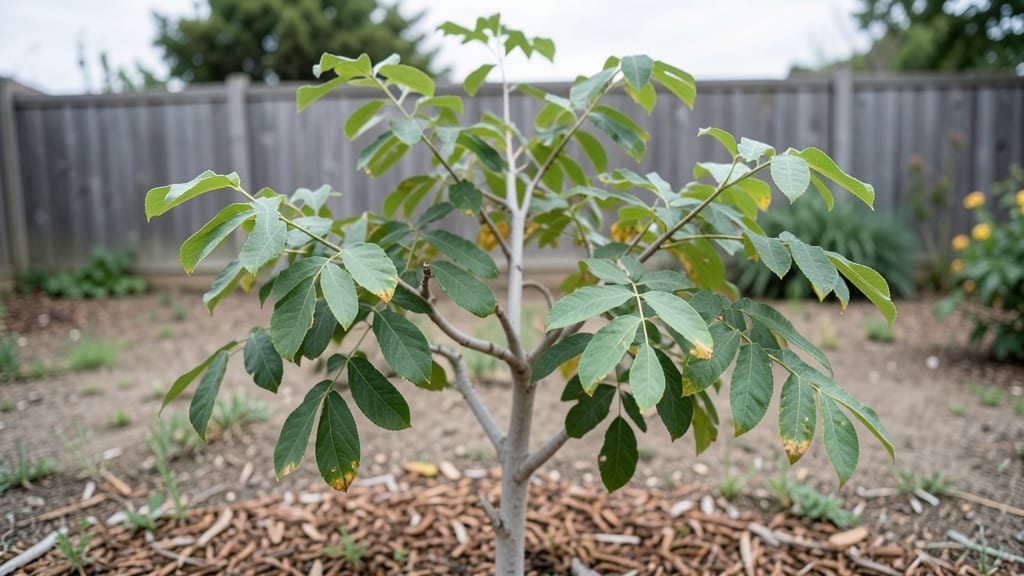
Growing a flowering pistachio tree 🌸 is easier than you think, even if you’ve never tried it before.
Picture this: a backyard crowned with fragrant white blossoms in spring, their delicate petals swaying in the breeze. This isn’t just a dream—it’s what awaits you when you plant the right seeds and give them the care they need.
The key is knowing when to start, how to nurture those first tender shoots, and what to do once they’re tall enough to bloom.
You’ll need full sun, well-draining soil, and a little patience—this tree doesn’t rush, but it rewards you with stunning spring displays that last for weeks.
Whether you’re in USDA Zone 6a or warmer, the steps are simple: plant in April or May, protect young trees from late frosts, and keep them watered until their roots take hold.
By the end of this guide, you’ll know exactly how to turn a tiny seed into a show-stopping tree, complete with tips for pruning, fertilizing, and troubleshooting common issues. Let’s get started!
Flowering pistachio tree growth stages: seed germination to sapling development
Growing a flowering pistachio tree from seed is a rewarding but delicate process that requires patience and precise care. Unlike mature trees, seeds need specific conditions to break dormancy and sprout successfully.
Understanding each growth stage—from seed preparation to sapling development—will help you maximize your tree's chances of thriving and eventually producing those stunning white blossoms.
The journey begins with seed selection and stratification, a critical step to mimic winter conditions. Without proper preparation, seeds may remain dormant or sprout weakly. Once germinated, young seedlings are vulnerable to environmental stressors like temperature swings or improper moisture.
My first attempt with pistachio seeds taught me that rushing this process often leads to failure, but with the right approach, you can nurture a healthy sapling ready for transplanting.
Step-by-Step Growth Stages
-
Stage 1: Seed Selection & Preparation
Choose fresh, plump pistachio seeds from a reliable source. Remove any dried or damaged seeds—these won’t germinate. Soak seeds in lukewarm water for 24 hours to soften the outer shell before stratification.
-
Stage 2: Cold Stratification (8-12 Weeks)
Place soaked seeds in a moist paper towel inside a sealed plastic bag. Store in your refrigerator’s crisper drawer (34–40°F) for 8–12 weeks. Check weekly to ensure they stay damp but not soggy. This mimics winter and breaks dormancy.
-
Stage 3: Germination (4-8 Weeks)
After stratification, plant seeds 1/2 inch deep in a well-draining seedling mix (50% perlite, 50% peat moss). Keep soil at 70–75°F using a heat mat if needed. Germination typically takes 4–8 weeks—patience is key!
-
Stage 4: Seedling Care (First 3 Months)
Once sprouted, provide bright, indirect light (avoid direct sun). Water gently to keep soil moist but not waterlogged. Use a humidity dome or plastic wrap to retain moisture. Fertilize lightly with diluted fish emulsion (5-5-5) every 4 weeks.
-
Stage 5: Hardening Off (Months 3-4)
Gradually acclimate seedlings to outdoor conditions over 2 weeks. Start with 2 hours of morning sun, then increase daily. Ensure well-draining soil in a partial shade location before full sun exposure. This builds resilience for transplanting.
-
Stage 6: Transplanting (6-12 Months)
Transplant saplings 18–24 inches apart in full sun with sandy loam soil (pH 6.5–7.5). Dig a hole twice as wide as the root ball. Water deeply after planting and mulch with 2–3 inches of wood chips to retain moisture and suppress weeds.
During the seedling stage, consistency is your best friend. Overwatering or letting soil dry out completely can kill young roots. I once lost a batch because I used tap water with high chlorine—switch to rainwater or filtered water to avoid chemical stress.
Monitor for pests like aphids and treat with neem oil if needed.
As your sapling grows, focus on root development and stem strength. Prune any weak or leggy growth to encourage a sturdy structure. By year 2 or 3, your tree should reach 3–5 feet tall, with the potential to flower in 4–6 years if given optimal care.
Patience pays off—healthy roots today mean abundant blooms tomorrow.
One common mistake is assuming pistachio trees grow like fast-moving annuals. They’re slow growers in their early years, so resist the urge to rush their development. Provide balanced fertilization (10-10-10) in early spring to support steady growth. Avoid heavy nitrogen, which promotes foliage over flowers.
By understanding these stages, you’ll set your flowering pistachio tree up for success. From the first sprout to the sapling’s first leaves, each phase builds on the last.
With the right conditions, your tree will reward you with fragrant white blossoms that transform your garden into a sensory paradise. 🌸
How to ensure your pistachio tree produces flowers: pruning, sunlight, and soil secrets
To coax your pistachio tree into blooming, you need to master three critical factors: pruning techniques, sunlight exposure, and soil conditions. These elements work together to signal the tree that it’s time to produce those fragrant white flowers you’re dreaming of.
Let’s dive into the specifics that will transform your tree from a leafy sapling to a flowering beauty.
First, sunlight is non-negotiable. Pistachio trees thrive in full sun conditions, requiring at least 6-8 hours of direct sunlight daily. If your tree isn’t getting enough light, it will focus on foliage growth instead of flowering.
I’ve seen trees in partial shade struggle to bloom for years—don’t let that be your tree’s story. Position it where it can soak up those golden rays, especially in USDA Zones 6-9.
3 Secrets to Trigger Pistachio Tree Flowers
- 🌞 Sunlight: 6-8 hours daily of full sun to stimulate flowering hormones.
- ✂️ Pruning: Late winter/early spring pruning to remove dead wood and open the canopy.
- 🌱 Soil: pH 6.5-7.5 with well-draining soil rich in nitrogen and phosphorus.
"A pistachio tree won’t flower if it’s stressed—prioritize these three factors to see blossoms in 3-5 years."
Next, pruning plays a pivotal role in encouraging flowers. The best time to prune is in late winter or early spring, just before new growth begins. Focus on removing dead, diseased, or crossing branches to improve airflow and sunlight penetration.
I recommend an open-center pruning style, which allows light to reach the inner branches where flowers often form. Avoid heavy pruning in summer, as this can stress the tree and delay flowering.
Don’t overlook the power of soil health. Pistachio trees prefer well-draining soil with a pH between 6.5 and 7.5. If your soil is too acidic or alkaline, the tree will struggle to absorb essential nutrients like phosphorus, which is crucial for flower development.
Test your soil annually and amend it with compost or lime if needed. I’ve had great success using a balanced 10-10-10 fertilizer in early spring to give the tree a nutrient boost.
Seasonal maintenance is the final piece of the puzzle. In spring, focus on watering deeply once a week to encourage root growth. During summer, increase watering to every 5-7 days but avoid waterlogging the soil.
In fall, reduce watering and apply a light layer of mulch to protect the roots from temperature fluctuations. These small adjustments make a big difference in flower production.
With these techniques, your pistachio tree will start producing those coveted fragrant white flowers in as little as 3-5 years. The key is consistency—don’t skip the pruning, monitor the sunlight, and keep the soil healthy.
Before you know it, your backyard will be filled with the sweet scent of pistachio blossoms. 🌸