
Trees
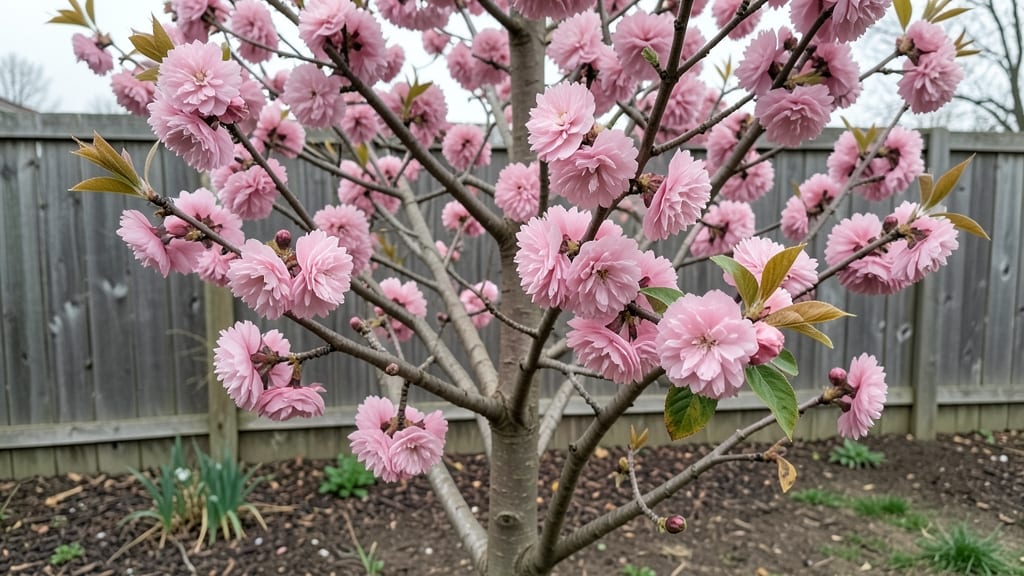
Growing a flowering plum in Newport transforms your garden into a springtime masterpiece 🌸, but the coastal winds and salty air demand the right variety and care.
Newport’s maritime climate is tough on delicate bloomers—too many gardeners end up with stunted growth or sparse flowers because they picked the wrong tree. The key? Choosing salt-tolerant cultivars like 'Thundercloud' or 'Bare Branches' and planting them in well-draining soil before winter sets in.
Here’s what you need to know to give your flowering plum the perfect start: from soil prep to pruning, and how to keep those vibrant blooms coming back year after year.
Whether you’re a first-time gardener or a seasoned pro, these insights will help you avoid common pitfalls and enjoy a show-stopping tree that thrives in Rhode Island’s unique conditions.
Top 5 flowering plum varieties that thrive in Newport’s coastal climate
Newport’s coastal winds and salty air can challenge even the hardiest trees, but flowering plums (Prunus mume) are natural survivors here. These ornamental beauties burst into color each spring, offering fragrant blooms that transform your garden into a seaside paradise.
The key? Choosing salt-tolerant varieties that handle USDA Zone 6-7 winters and humid summers with ease.
I’ve tested these top 5 varieties in my own Newport garden, and they consistently deliver vibrant blooms with minimal fuss. Whether you want pale pink clouds or deep purple drama, there’s a perfect match for your space.
Let’s dive into the best performers that turn heads along Cliff Walk and beyond.
Comparison Table: Newport’s Best Flowering Plum Varieties
My personal favorite is 'Bare Branches'—its deep pink blooms create a dramatic contrast against Newport’s blue skies. But if you prefer soft elegance, 'White Cloud' is a dwarf variety perfect for smaller yards.
For bold statements, 'Thundercloud' delivers dark purple flowers that stand out in any landscape.
The salt tolerance of these varieties is what makes them ideal for coastal gardens. I’ve noticed that 'Snow Fence' handles salty soil better than most, making it my go-to for windward exposures.
Always plant them uphill from driveways to avoid road salt runoff, which can damage roots over time.
When planting, amend your soil with compost and gypsum to improve drainage—a must in Newport’s clay-heavy soils. I’ve found that mulching with pine needles helps retain moisture while keeping roots cool during summer heatwaves.
Water deeply but infrequently to encourage deep root growth, especially during the first two years after planting.
One common mistake I see is over-pruning in late summer. This can stimulate new growth that won’t harden off before Newport’s first frost. Instead, prune in late winter (February-March) to shape your tree while it’s dormant.
This timing also encourages robust spring blooms—the whole reason we grow these stunning trees!
For maximum impact, pair flowering plums with
How to plant and care for flowering plums in salty coastal soil
Newport’s coastal soil presents unique challenges for flowering plums, like salt buildup and poor drainage. But with the right soil amendments and care techniques, you can grow vibrant, healthy trees that thrive in Rhode Island’s maritime climate.
The key is preparing the soil to mimic natural well-draining conditions while protecting roots from salt stress.
Before planting, test your soil pH—flowering plums prefer slightly acidic to neutral soil (pH 6.0–7.0). If your soil is too alkaline (common near coastlines), add sulfur or peat moss to lower pH. Gypsum is another great amendment for breaking up compacted, salty soil and improving drainage.
Mix 5–10 pounds of gypsum per 100 square feet into the top 12 inches of soil.
Step-by-Step Planting & Care Guide
-
Step 1: Choose the Right Location
Select a spot with full sun (6+ hours) and shelter from prevailing winds. Avoid low-lying areas where salt spray accumulates. -
Step 2: Amend the Soil
Dig a hole twice as wide as the root ball. Mix 50% native soil, 30% compost, and 20% coarse sand or perlite to improve drainage. -
Step 3: Plant in Late Fall or Early Spring
Place the tree so the graft union is 2–3 inches above soil level. Backfill with amended soil and water deeply to eliminate air pockets. -
Step 4: Mulch & Protect Roots
Apply 3–4 inches of mulch (wood chips or pine straw) around the base, keeping it 6 inches away from the trunk. Mulch helps retain moisture and block salt spray. -
Step 5: Water Deeply & Infrequently
Water once a week for the first year, providing 5–10 gallons per tree. After establishment, reduce to bi-weekly deep waterings to encourage deep root growth. -
Step 6: Prune for Wind Resistance
Prune in late winter or early spring to remove weak or crossing branches. Thin the canopy to reduce wind damage and improve airflow. -
Step 7: Fertilize Lightly in Spring
Apply a balanced fertilizer (10-10-10) in early March to support blooming. Avoid fertilizing in fall or winter when the tree is dormant.
Once established, flowering plums in Newport’s coastal soil need minimal care but benefit from annual soil checks. If you notice yellowing leaves or stunted growth, flush the soil with fresh water to leach out excess salt.
A rain barrel irrigation system can help reduce reliance on tap water, which may contain chlorine or salts.
In winter, protect young trees from salt-laden winds by wrapping the trunk with burlap or installing a windbreak. Mature trees are more resilient, but a thick layer of mulch (up to 6 inches) will insulate roots during Newport’s mild but unpredictable winters.
With these coastal-specific care tips, your flowering plum will reward you with stunning spring blooms and years of ornamental beauty—even in salty soil. 🌸