
Shrubs
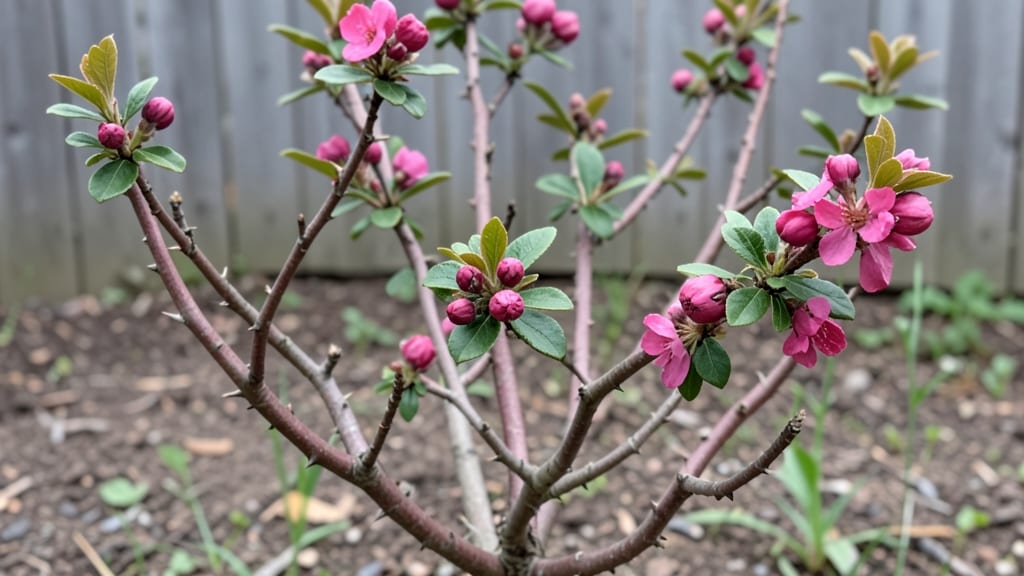
Mastering the art of shaping flowering quince branches 🌸 is the key to a shrub bursting with spring color every year.
Picture this: You’ve spent months waiting for your quince to bloom, only to be met with sparse, weak flowers. The issue isn’t the plant—it’s how you’re handling its branches.
Pruning at the wrong time or cutting the wrong wood can leave your quince looking half-hearted, but strategic cuts can triple your blooms next season.
This isn’t just about trimming back overgrowth—it’s about understanding which branches to keep, when to prune, and how to encourage your quince to put its energy into vibrant flowers instead of leggy stems.
Whether you’re a beginner or a seasoned gardener, the right techniques will transform your shrub into a showstopper.
Below, I’ll walk you through the exact steps to prune, propagate, and care for your flowering quince branches—so you can enjoy a garden full of color year after year.
When and how to prune flowering quince branches for maximum blooms
Pruning your flowering quince (Chaenomeles speciosa) at the right time and with the right technique can mean the difference between a handful of blooms and a breathtaking spring display.
The key is understanding when to prune—late winter or early spring—before new growth begins, and how to shape your plant to encourage dense, healthy branches that produce next year’s flowers.
Flowering quince blooms appear on old wood, meaning last year’s growth holds the buds for spring. If you prune at the wrong time or too aggressively, you risk removing these flower buds before they open.
The goal is to open up the center of the shrub for airflow, remove dead or crossing branches, and stimulate new growth that will support even more flowers.
Step-by-Step Pruning Guide for Flowering Quince
-
Step 1: Choose the Right Time
Prune in late winter (February) or early spring (March), just as buds begin to swell but before leaves emerge. Avoid pruning after mid-spring, as this removes next year’s flower buds. -
Step 2: Gather Your Tools
Use clean, sharp pruners (bypass pruners for branches ½-inch thick), loppers for thicker branches, and gloves to protect your hands. Sterilize tools with rubbing alcohol to prevent disease spread. -
Step 3: Remove Dead or Diseased Wood
Cut out any dead, damaged, or diseased branches first. Look for branches that are brown, mushy, or hollow. Make cuts just outside the branch collar (the swollen area where the branch meets the trunk). -
Step 4: Thin Out Crowded Branches
Remove 1/3 of the oldest branches to open the center of the shrub. Focus on branches that cross or rub against others, as these can create wounds and invite pests. Prioritize branches that are thinner than a pencil. -
Step 5: Shape for Airflow
Prune to create an open, vase-like shape. Cut branches back to a bud or lateral branch, making a 45-degree angle just above an outward-facing bud. Avoid leaving stubs, as these can rot. -
Step 6: Clean Up and Dispose
Rake up and dispose of pruned branches (do not compost if diseased). Sterilize your tools again with rubbing alcohol or a 10% bleach solution to prevent cross-contamination.
When pruning, always cut at a 45-degree angle just above a bud or lateral branch. This encourages new growth in the right direction and prevents water from pooling on the cut, which can lead to rot or disease.
If you’re unsure which branches to keep, remember: older branches produce the most flowers, so avoid cutting them back drastically.
One common mistake is pruning too late in the season. If you wait until summer or fall, you risk removing next year’s flower buds, which form on old wood during the previous growing season.
Always prune in dormancy to give your quince the best chance to rebound with a fuller, healthier bloom next spring.
After pruning, your flowering quince should have a balanced, open structure with plenty of sunlight reaching the center. This not only encourages more blooms but also reduces the risk of fungal diseases like powdery mildew, which thrive in shaded, crowded conditions.
Water deeply after pruning to help the plant recover and establish new growth.
For young quince shrubs (under 3 years old), limit pruning to removing only dead or crossing branches. Avoid heavy pruning, as young plants need all their energy to establish a strong root system.
Once your quince is 3-5 years old, you can begin more aggressive pruning to shape it and encourage abundant blooms.
Finally, keep an eye out for water sprouts—those fast-growing, vertical shoots that appear after pruning. These compete with your flowering branches for nutrients, so prune them out as soon as they appear. With the right technique, your flowering quince will reward you with vibrant, long-lasting blooms year after year.
Flowering quince pruning mistakes that kill your blooms (and how to fix them)
Your flowering quince (Chaenomeles speciosa) may look healthy, but if you’re not seeing the vibrant spring blooms you expect, pruning mistakes could be the culprit. Over-pruning or cutting at the wrong time removes next year’s flower buds hidden on old wood.
Worse yet, aggressive cuts can stress the plant, leaving it weak and sparse. The good news? Most of these mistakes are reversible with the right corrective actions.
I’ve seen gardeners accidentally turn their quince from a bloom-covered beauty into a bare-branched shadow of its former self. The key is understanding when and how to prune—and what to avoid. Let’s dive into the most common errors and how to fix them before your next pruning session.
Critical Pruning Mistake: Cutting Back Old Wood
Flowering quince branches produce blooms on 1- to 2-year-old wood. If you prune back into old, thick branches, you’re removing the very wood that holds next year’s flower buds. This mistake is irreversible for that season—those buds are gone forever.
Fix it: Never cut more than 1/3 of the plant’s height in one season. Focus on selective thinning of crowded branches and avoid heavy pruning of mature wood.
Another deadly error is pruning at the wrong time. Many gardeners reach for their shears in summer or fall, thinking it’s harmless. But flowering quince blooms form on old wood in late summer, so any cuts made then can eliminate next year’s flowers.
The only safe time to prune is late winter or early spring, just as new growth begins—but before buds swell.
I once worked with a client whose quince had no blooms for three years. The issue? They’d been pruning in September to "clean up" the plant. By the time they realized their mistake, the buds for the next two seasons were already gone.
The fix? We waited until February and pruned lightly to encourage new growth, then added a balanced fertilizer in spring to boost recovery.
Don’t forget about cutting angles and tools. Using dull shears or making jagged cuts weakens branches and invites disease. Always use sharp, clean pruners and cut at a 45-degree angle, about 1/4 inch above a bud.
This ensures proper healing and directs new growth where you want it. If you’ve been using old or rusty tools, replace them—it’s a small investment for big results.
If your quince is already suffering from poor pruning, don’t panic. Start by identifying healthy branches—these will have smooth bark and plump buds. Focus on thinning out dead or crossing branches first, then limit cuts to 10-15% of the plant’s total foliage per year.
Add a layer of mulch around the base to protect roots and retain moisture, which helps the plant recover faster.
Finally, resist the urge to over-prune to shape your quince into a perfect hedge. Flowering quince thrives on natural structure, and heavy pruning can turn it into a bare, leggy mess. Instead, aim for a balanced silhouette with open centers to allow air circulation and sunlight penetration.
With patience and the right approach, your quince will bounce back—and next spring, you’ll be rewarded with abundant, show-stopping blooms.