
Shrubs
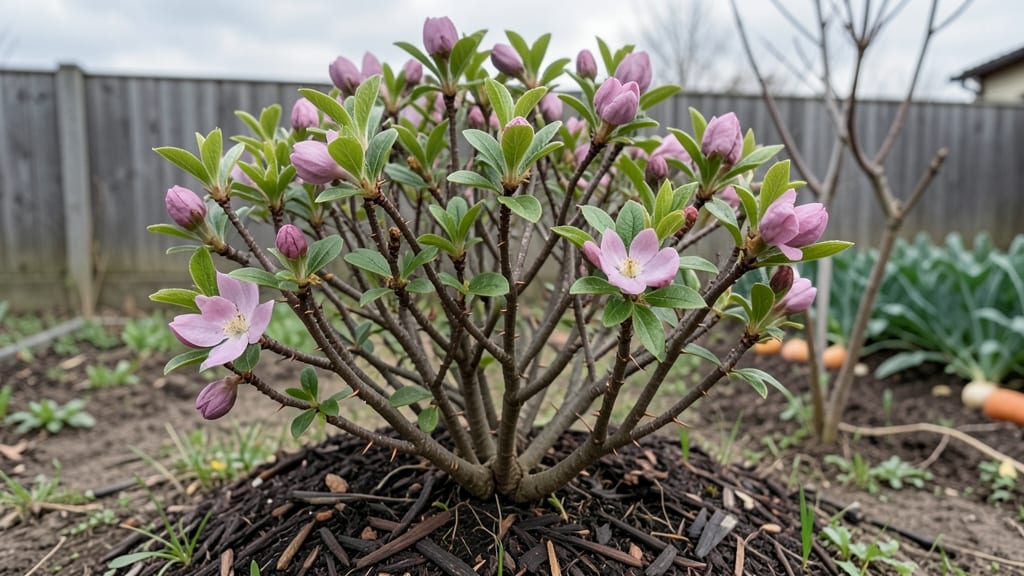
Growing flowering quince bushes 🌸 transforms your yard into a fragrant springtime paradise with bold blooms that last for months.
Imagine a garden shrub that bursts into vibrant spring blooms, fills your yard with intoxicating fragrance for months, and even produces edible fruit—all while requiring minimal fuss. But here’s the catch: without the right care, those stunning blossoms can turn into a tangled mess.
The secret lies in knowing when to prune, how much sun they truly need, and the best soil tricks to keep them thriving.
If you’re in USDA Zone 6a, the ideal planting window is fall (September–November) or early spring (March–April), when the soil is cool but workable. Too much shade or soggy roots, and you’ll end up with sparse blooms—something no one wants after waiting months for those showstopping flowers.
In this guide, I’ll walk you through the exact steps to plant, prune, and maintain your flowering quince so it rewards you with year-round interest—from fragrant spring blooms to striking fall foliage. Let’s get those bushes looking their best.
Flowering quince bush care guide: soil, sunlight, and watering for maximum blooms
Flowering quince bushes (Chaenomeles) are my go-to shrubs for bold spring blooms and year-round fragrance, but they demand precise care to thrive. These hardy plants reward you with vibrant flowers and edible fruit when given the right soil conditions, sunlight exposure, and watering routine.
Unlike fussy ornamentals, quince bushes tolerate neglect once established—but only if you nail the basics early on.
I’ve learned through trial and error that well-draining soil is non-negotiable, while 6+ hours of sunlight fuels their spectacular displays. Overwatering is their biggest enemy, yet many gardeners (myself included) drown them by default.
Let’s break down the exact conditions your flowering quince needs to burst into continuous blooms from early spring through fall.
| Care Factor | Ideal Specification | Notes |
|---|---|---|
| Soil Type | Well-draining, slightly acidic | pH 6.0-7.0; amend clay with compost |
| Sunlight | Full sun to partial shade | Minimum 6 hours direct sun daily |
| Watering | Deep soak weekly (established) | Morning watering prevents fungal issues |
| Mature Size | 6-12 feet tall | Prune annually to control spread |
| Best Planting Time | Fall or early spring | Avoid transplanting during heatwaves |
| Fertilizer Needs | Balanced 10-10-10 | Apply in early spring only |
Your soil composition is the foundation of healthy flowering quince bushes. These plants despise waterlogged conditions, so if your yard has heavy clay, I recommend amending with organic compost or sand to improve drainage.
Aim for a slightly acidic to neutral pH (6.0-7.0)—you can test this with a simple soil kit from your local garden center. Pro tip: Mulch around the base with wood chips to retain moisture while preventing soil compaction.
When it comes to sunlight requirements, flowering quince bushes are flexible but perform best in full sun (6+ hours daily). In hot climates like mine in Zone 7, they’ll tolerate partial shade (morning sun + afternoon shade) to prevent leaf scorch.
However, reduced sunlight means fewer blooms—so prioritize a south-facing location if possible. I’ve seen quince bushes in east-facing spots still thrive, but their flowering is noticeably less dramatic.
Watering is where most gardeners stumble. Overwatering leads to root rot, while underwatering causes buds to drop. The key is deep, infrequent watering: soak the root zone once a week for established plants, or every 3-5 days for container-grown quince.
Always water in the morning to let foliage dry before evening—this prevents powdery mildew, a common fungal issue. In summer droughts, increase frequency to every 5-7 days and monitor soil moisture with your finger.
Seasonal adjustments are critical for continuous blooms. In spring, when buds form, increase watering slightly to support new growth. By summer, reduce frequency unless temperatures exceed 90°F.
Autumn is the time to tap into the plant’s dormancy—cut back on watering entirely by October to prepare for winter. I’ve found that light winter watering (monthly) prevents desiccation in Zone 5 and colder, but most quince bushes handle frost beautifully with minimal care.
One mistake I see often is fertilizing at the wrong time. Flowering quince bushes don’t need much—just a light feeding in early spring with a balanced 10-10-10 fertilizer. Avoid summer fertilizing, as it encourages leafy growth at the expense of blooms.
Instead, focus on mulching and pruning to maintain health. For container-grown quince, use a slow-release fertilizer in spring and supplement with compost tea monthly during the growing season.
If your flowering quince isn’t blooming as expected, check these three common issues:
- Poor drainage (yellow leaves = root rot)
- Insufficient sunlight (fewer flowers = more shade)
- Over-pruning (cutting back too aggressively reduces next year’s buds)
I’ve revived struggling quince bushes by amending soil, relocating to sunnier spots, and pruning only after flowering. Patience is key—some varieties take 2-3 years to reach peak bloom potential.
For maximum fragrance and bold blooms, combine these care tips with regular pruning (after flowering) to remove dead wood and shape the bush.
With the right soil, sunlight, and watering routine, your flowering quince will reward you with months of intoxicating scent and stunning color—with almost no effort after the initial setup. 🌸
Pruning flowering quince bushes: when, how, and why to avoid common mistakes
Pruning your flowering quince bushes might seem intimidating, but it’s the key to keeping them healthy, blooming profusely, and looking their best. Unlike many shrubs, quince blooms on old wood, meaning last year’s growth produces this year’s flowers.
This makes timing and technique critical—get it wrong, and you could end up with sparse blooms or even a dead plant. The good news? With the right approach, you’ll reward yourself with fragrant blooms for years to come.
Many gardeners mistakenly prune at the wrong time or too aggressively, which can stress the plant or even kill it. For example, cutting back too much in late winter removes next year’s flower buds, while pruning after blooming can disrupt the plant’s natural cycle.
Understanding the pruning timeline and proper techniques will help you avoid these pitfalls and keep your quince thriving.
Pruning Flowering Quince: Pros and Cons
✅ Pros of Proper Pruning
- Encourages blooms: Removes dead wood, improving air flow and light penetration.
- Maintains shape: Keeps quince compact and attractive year-round.
- Prevents disease: Removes infected or damaged branches early.
- Revives overgrown plants: Restores health with strategic cuts.
❌ Cons of Improper Pruning
- Removes flower buds: Cutting back too late in winter or spring eliminates next year’s blooms.
- Stunts growth: Over-pruning weakens the plant, reducing vigor and blooms.
- Invites pests: Jagged cuts or excessive pruning stress the plant, attracting borers.
- Kills the plant: Severe over-pruning can lead to irreversible damage.
Start pruning your flowering quince bushes in early spring, right after the last frost but before new growth begins. This timing ensures you don’t accidentally remove flower buds that formed the previous year.
Use clean, sharp pruners to make cuts at a 45-degree angle, about ¼ inch above a bud or branch. Always aim to open the center of the shrub to improve airflow and reduce disease risk.
If you missed the spring window, don’t panic—you can still prune in late winter, but avoid cutting back more than 25% of the plant at once. Focus on removing dead, diseased, or crossing branches first. For overgrown quince, spread pruning over 2-3 years to avoid shocking the plant.
In summer, only prune to shape lightly, as heavy cuts can stimulate new growth that won’t have time to harden off before winter.
One of the biggest mistakes gardeners make is over-pruning in a single session. If you’ve accidentally pruned too much, don’t despair—your quince can often recover. Start by watering deeply and applying a balanced fertilizer to encourage new growth.
Avoid pruning again for at least 6 months to let the plant recover. In the meantime, monitor for signs of stress, like yellowing leaves or wilting branches, and adjust care accordingly.
To keep your flowering quince bushes looking their best, make pruning a yearly habit. Light maintenance in late winter or early spring will keep them healthy and blooming.
Remember, quince is forgiving, but timing and technique matter. With patience and care, your quince will reward you with vibrant blooms and fragrant foliage for decades.