
Shrubs
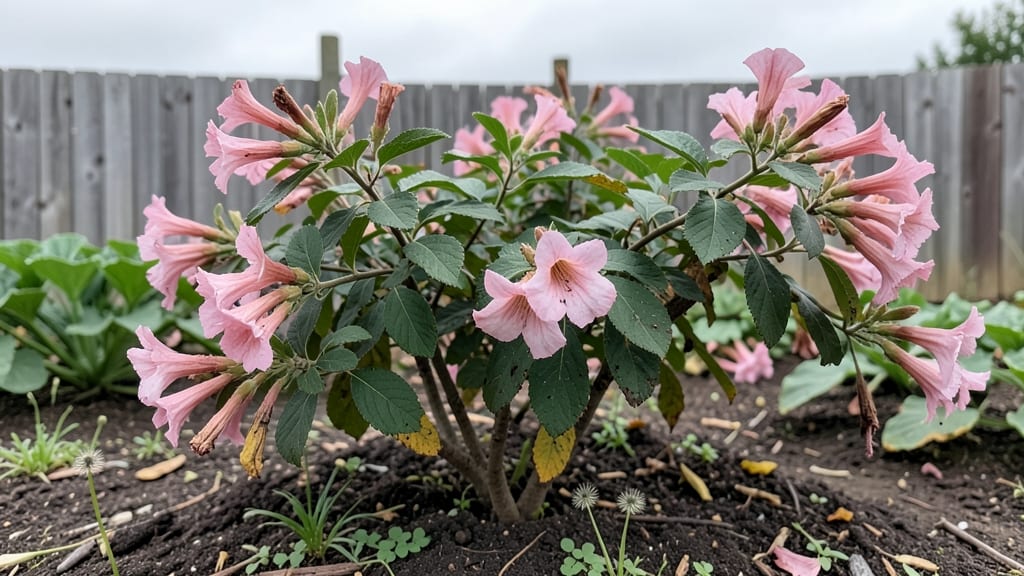
Growing flowering shrubs like Weigela 🌸 means unlocking a garden that bursts with color from early spring through summer—if you know the right tricks.
If your Weigela shrubs are struggling to bloom year-round, the secret likely lies in your pruning technique—not just when you cut, but how you do it. Master these pruning strategies, and you’ll transform your Weigela into a nonstop floral show that keeps gardens buzzing with color from spring to fall.
This hardy shrub thrives in USDA Zone 6a and beyond, but even the toughest varieties need the right care to keep flowering like clockwork. Whether you’re planting in April or May or troubleshooting a lackluster bloom season, the key lies in understanding its growth habits.
In this guide, I’ll walk you through the exact pruning steps, timing, and techniques to ensure your Weigela stays lush, healthy, and covered in blooms all season long—no guesswork required.
Weigela pruning timing: the exact months for maximum blooms
Pruning your Weigela shrubs at the right time is the difference between a sparse few blooms and a nonstop floral display from spring to fall. Unlike many shrubs, Weigela flowers on new wood, meaning last year’s growth produces this year’s blooms.
Cut too late, and you risk pruning off next season’s flowers before they even form. Timing isn’t just about the calendar—it’s about climate zones and understanding your plant’s growth cycle.
Most gardeners make one of two mistakes: pruning too early in late winter when the plant is still dormant, or waiting until late spring after the buds have already formed. Both approaches can reduce flowering dramatically.
The key is to prune early spring, just as the plant begins to wake up but before the buds swell. This ensures you’re cutting back old wood while preserving next year’s potential blooms.
Here’s the golden rule for Weigela pruning: aim for late February to early April in most USDA zones 5-8. For warmer climates (zones 9-10), you can extend this window into March or even early April, as the plant may start growing earlier.
The exact timing depends on your last frost date—prune 4-6 weeks before your typical last frost to give the plant enough time to recover and grow new stems before summer heat sets in.
If you’re in a cold climate (zones 3-4), hold off until late April or early May to avoid damaging tender new growth. In these regions, pruning too early can expose the plant to late frost damage, which weakens it and reduces flowering.
Always check for swollen buds—if they’re still tight and dormant, it’s safe to prune. If they’re starting to plump up or show color, wait a few more weeks.
Let’s break down the best pruning windows by region to help you pinpoint the perfect time for your Weigela shrubs:
| Climate Zone | Best Pruning Window | Key Indicator | Avoid Pruning After |
|---|---|---|---|
| Zones 3-4 (Cold) | Late April - Early May | Bud swell begins | May 15 (risk of frost) |
| Zones 5-8 (Temperate) | Late February - Early April | First green tips appear | April 15 (bud break) |
| Zones 9-10 (Warm) | March - Early April | New shoots emerge | April 30 (active growth) |
Why does this timing matter so much? Weigela flowers on new growth, which means the current year’s stems will produce next year’s blooms. If you prune too late, you risk cutting off these flower buds before they’ve even formed.
For example, if you prune in May, you might remove up to 50% of potential blooms for the following season. This is why early spring pruning is non-negotiable for maximum flowering.
Another critical factor is light pruning throughout the growing season. While the main pruning happens in early spring, you can encourage continuous blooming by deadheading spent flowers every 2-3 weeks during the growing season.
This removes old blooms and redirects the plant’s energy into producing new flowers. Think of it as a mid-season tune-up—just like giving your car a quick oil change to keep it running smoothly.
For overgrown Weigela shrubs, you can perform a rejuvenation pruning every 3-4 years to restore shape and vigor. This involves cutting back 1/3 of the oldest stems to the ground in early spring.
However, avoid this unless necessary, as it can temporarily reduce blooms for a season. If your Weigela is healthy but just not flowering well, focus on proper timing and light seasonal pruning instead.
One common mistake gardeners make is pruning in fall or winter. This is a big no-no for Weigela because it leaves the plant vulnerable to disease and pests during its dormant period.
Fall-pruned cuts don’t have time to heal before winter, making the plant more susceptible to bacterial infections and insect infestations. Always wait until early spring to give the plant a clean slate for the growing season.
Pro tip: If you missed the early spring window and your Weigela is already budding, don’t panic. You can still do a light shaping prune after the flowers fade in late summer or early fall.
Just avoid heavy cuts—focus on removing only dead or crossing branches to keep the plant tidy without sacrificing next year’s blooms. This minimalist approach ensures your Weigela stays healthy and continues to thrive.
Remember, the goal is to balance pruning with preservation. Every cut you make should serve a purpose—whether it’s opening up the center for better airflow, removing dead wood, or shaping the shrub for a fuller look.
With the right timing and technique, your Weigela will reward you with vibrant, nonstop blooms that turn heads all season long.
Step-by-step Weigela pruning techniques for nonstop flowers
Pruning your Weigela correctly is the key to unlocking year-round blooms. Many gardeners make the mistake of pruning too late or too aggressively, which can reduce flowering or even kill new growth. The good news?
With the right techniques, you can rejuvenate old wood and encourage continuous flowering from spring through fall. Start by understanding that Weigela blooms on new wood, meaning last year’s growth produces this year’s flowers.
Before grabbing your pruning shears, identify the old wood (last year’s stems) from the new growth (current year’s shoots). Old wood is thicker, darker, and often woody with no leaves, while new growth is thinner, lighter green, and may have leaf buds.
Cutting back old wood too harshly can starve your shrub of next year’s blooms, so precision matters.
- 1 Deadhead spent blooms immediately after flowering to encourage new growth. Use clean hand pruners or bypass shears to snip just above the first set of leaves below the flower. This redirects energy to new shoots instead of seed production.
- 2 Shape the shrub in early spring (March-April) by removing 1/3 of the oldest stems at the base. Look for thick, dark branches with no leaves—these are 3+ years old and past their prime. Cut them back to healthy new growth or ground level if needed.
- 3 Thin out crowded branches to improve air circulation and sunlight penetration. Focus on crossing or rubbing branches—these compete for resources and can spread disease. Cut these back to the nearest outward-facing bud to maintain an open, vase-like shape.
- 4 Avoid summer pruning unless deadheading. Heavy pruning in summer can stimulate tender new growth that won’t harden off before fall, leaving your Weigela vulnerable to frost damage. If you must prune, do so lightly in early summer to shape but never remove more than 20% of the foliage.
- 5 Sanitize tools between cuts with rubbing alcohol or a 10% bleach solution to prevent bacterial or fungal spread. Weigela is prone to powdery mildew, so clean tools are a non-negotiable step for healthy growth.
For overgrown Weigela that needs a dramatic makeover, consider a rejuvenation pruning in late winter or early spring. Cut back all stems by 1/3 to encourage vigorous new growth.
While this may reduce blooms the first year, your shrub will rebound with lush foliage and more flowers in subsequent seasons. Pair this with a balanced fertilizer (10-10-10) to support recovery.
Remember, Weigela blooms on new wood, so the goal is to balance renewal and removal. If you prune too lightly, old wood dominates and flowering declines. Prune too harshly, and you sacrifice next year’s blooms.
Aim for a middle-ground approach: remove 1/3 of old wood annually while preserving younger stems to keep the bloom cycle going.
After pruning, give your Weigela a deep watering to reduce stress. Mulch around the base with 2-3 inches of organic mulch (like shredded bark) to retain moisture and protect roots from temperature swings.
With consistent care, your Weigela will reward you with vibrant blooms from spring through fall—no gaps, no guesswork, just nonstop color. 🌸✂️🌿