
Trees
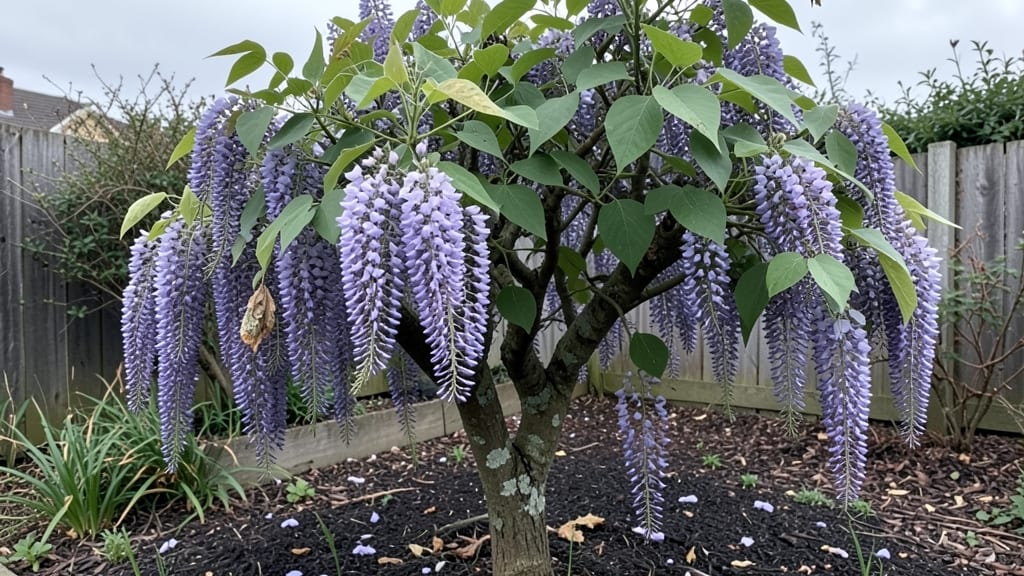
Growing a flowering wisteria tree 🌸 can turn your garden into a fragrant, purple paradise in just a few years.
Imagine a trellis or pergola transformed into a breathtaking cascade of fragrant blooms—wisteria’s rapid growth and stunning flowers make it a gardener’s dream. But not all varieties bloom quickly or climb aggressively.
If you’re eager to see those show-stopping blooms faster, you’ll want to focus on the fastest-growing types that reach 10+ feet in 3–5 years with minimal effort. The right variety can mean the difference between waiting a decade and enjoying your vertical garden in just a few seasons.
In this guide, I’ll walk you through the top 5 quickest-maturing wisteria types, the exact planting and pruning techniques to maximize growth speed, and how to avoid common mistakes that slow down your vine. Let’s get those fragrant cascades climbing faster than ever!
Top 5 fastest-growing wisteria varieties for quick climbing perfection
If you’re dreaming of a wisteria-covered pergola in just a few years, you’ll want to skip the slow growers. Some varieties like Amethyst Falls and Royal Purple can reach 10+ feet in 3–5 years with the right care.
These powerhouses combine rapid vertical growth with vibrant blooms, making them perfect for quick results. Let’s dive into the top performers for fast-climbing perfection.
Not all wisteria varieties are created equal when it comes to speed. Some take decades to mature, while others burst into bloom within 3–4 years. The key is choosing a variety bred for aggressive growth and early flowering.
These five varieties stand out for their quick canopy formation and minimal pruning needs, so you can enjoy that dreamy, fragrant curtain sooner rather than later.
| Variety | Growth Rate (Yr 3) | Bloom Time | Hardiness Zone | Best For |
|---|---|---|---|---|
| Amethyst Falls | 15–20 ft | Late spring | 5–9 | Fastest climber, minimal pruning |
| Royal Purple | 12–18 ft | Early summer | 4–8 | Cold-hardy, dense foliage |
| Jako | 10–15 ft | Mid-spring | 6–9 | Fragrant blooms, compact |
| Black Dragon | 14–20 ft | Late spring | 6–9 | Darkest blooms, vigorous |
| Prolific | 12–16 ft | Early summer | 5–8 | Heavy bloomer, drought-tolerant |
Amethyst Falls is the undisputed champion for speed and ease. This variety can climb 15+ feet in just 3 years, making it ideal for gardeners who want quick vertical impact. Its light purple blooms appear in late spring, and it thrives in USDA zones 5–9. The best part? It requires minimal pruning to stay in check, so you won’t spend hours taming unruly growth.
Royal Purple is a close second, especially if you live in cooler climates (zones 4–8). It grows 12–18 feet in 3 years and produces deep violet flowers that smell like heaven. Unlike some varieties, it doesn’t need a trellis to climb—it’ll latch onto fences, arbors, or even trees with ease. Plus, its dense foliage provides year-round greenery.
For those who love fragrant blooms and compact growth, Jako is a standout. This variety reaches 10–15 feet in 3 years and blooms in mid-spring with lilac-purple flowers that fill the air with a sweet scent.
It’s perfect for smaller spaces or balconies where you want fast coverage without overwhelming growth.
Black Dragon steals the show with its deep indigo blooms, which appear in late spring. This variety grows 14–20 feet in 3 years and is extremely vigorous, making
How to maximize growth speed: planting, pruning, and care tips for wisteria
Wisteria grows fast when given the right conditions, but many gardeners struggle with slow growth or sparse blooms. The key to accelerated growth lies in proper planting techniques, strategic pruning, and consistent care.
Unlike impatient gardeners, wisteria rewards patience—but only if you follow a structured approach. Let’s break down the steps to turn your wisteria into a lush, flowering powerhouse in just a few years.
First, timing is everything. Plant your wisteria in late spring or early fall when temperatures are mild but not extreme. This allows roots to establish before dormancy or summer heat stress.
Choose a location with full sun exposure (at least 6 hours daily) and a sturdy trellis or arbor to support its weight. Without proper support, even the fastest-growing varieties will struggle to climb efficiently, slowing their overall growth.
Step-by-Step Guide to Fast Wisteria Growth
- Step 1: Soil Preparation
Amend your soil with organic compost and a balanced fertilizer (10-10-10) before planting. Wisteria thrives in well-draining, slightly acidic soil (pH 6.0–7.0). Dig a trench twice as wide as the root ball to encourage horizontal root spread, which boosts nutrient uptake and stability.
- Step 2: Planting Depth & Support
Plant bare-root wisteria at the same depth it was growing in the nursery. Use a strong trellis or arbor immediately—wisteria vines can reach 15–30 feet in maturity. Secure the main stem with soft ties to avoid damaging the bark as it grows.
- Step 3: Watering Schedule
Water deeply 2–3 times per week for the first 6 months to establish roots. After establishment, reduce to once weekly during dry spells. Morning watering prevents fungal diseases by allowing foliage to dry quickly.
- Step 4: Pruning for Speed
Use the three-cut method in late winter to shape your wisteria:
- Cut back last year’s growth to 2–3 buds from the main stem.
- Remove weak or crossing branches to improve airflow.
- Trim new growth to 6–8 inches after flowering to encourage denser blooms next season.
- Step 5: Fertilizing for Blooms
Feed with a balanced fertilizer (10-10-10) in early spring and again after flowering. Avoid high-nitrogen fertilizers, which promote foliage over flowers. Mulch annually with compost to retain moisture and improve soil health.
Avoid these common mistakes that stall growth: over-pruning young vines, planting in shady locations, or using heavy clay soil without amendments. Wisteria is drought-tolerant once established, but young plants need consistent moisture.
Skipping pruning entirely can lead to uncontrolled growth and fewer blooms, as the plant focuses energy on extending vines rather than producing flowers.
With these steps, your flowering wisteria tree can reach 10+ feet in 3–5 years and burst into fragrant blooms by its third season. The secret? Patience combined with precision—just like the best gardeners know.
Start today, and watch your trellis transform into a vertical garden masterpiece in no time! 🌿