
Blooming
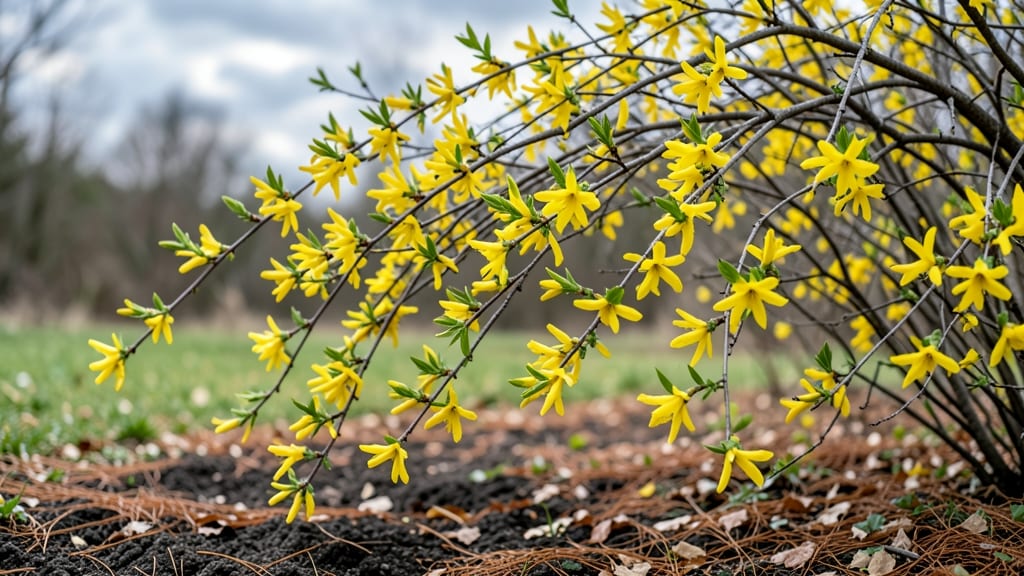
The forsythia flowering time you’ve been waiting for arrives in early spring 🌸, but the exact months depend on your USDA zone and a few key care tricks.
If you’ve ever wondered why your forsythia shrub isn’t blooming when expected—or how to time your spring garden tasks around its vibrant yellow flowers—you’re not alone.
Forsythia’s flowering window varies dramatically by climate zone, and knowing the exact months can mean the difference between a stunning spring display and missed blooms.
In most USDA Zone 6a areas, forsythia blooms start in late February and peak by March, but colder regions may see delays until April. The secret to encouraging earlier or more abundant blooms lies in pruning in late winter and choosing the right variety for your climate.
Below, I’ll break down the exact flowering months by zone, share pruning tips to extend your forsythia’s bloom time, and reveal why some shrubs struggle to flower on schedule—and how to fix it.
Exact forsythia flowering months by USDA hardiness zones (with visual guide)
Forsythia's bright yellow blooms signal spring's arrival, but their exact timing depends heavily on your USDA hardiness zone. In colder zones like Zone 3, buds may not burst until late April, while warmer Zone 9 gardeners often see flowers as early as February.
Understanding these variations helps you plan pruning schedules and spring garden tasks perfectly—like planting bulbs that bloom after forsythia fades.
Microclimates add another layer of complexity. A sheltered south-facing slope in Zone 5 might trigger blooms two weeks earlier than a frost-prone valley. Even urban heat islands can shift flowering by up to three weeks.
The key is knowing your local last frost dates and how they interact with forsythia's chilling requirements—typically 500-1,000 hours below 45°F.
| USDA Zone | Early Bloom | Peak Bloom | Late Bloom | Notes |
|---|---|---|---|---|
| Zone 3 | Late April | Early May | Mid-May | Needs full sun; prune after blooming |
| Zone 4 | Mid-April | Late April | Early May | Watch for late frosts |
| Zone 5 | Early April | Mid-April | Late April | Ideal for 'Spectabilis' cultivar |
| Zone 6 | Late March | Early April | Mid-April | First shrub to bloom in many gardens |
| Zone 7 | Mid-March | Late March | Early April | 'Lynwood Gold' blooms earliest |
| Zone 8 | Late February | Early March | Mid-March | May rebloom with proper care |
| Zone 9 | February | Early February | Late February | Plant in partial shade to prevent stress |
In Zone 3, forsythia's late blooming often coincides with last frost dates, making it a reliable harbinger of spring. I've seen gardeners in Minnesota (Zone 4) use forsythia as a frost predictor—when buds swell, they know winter's last gasp is near.
The 'Northern Gold' cultivar thrives here, with darker yellow flowers that stand out against snow.
Southern gardeners in Zone 9 enjoy the longest flowering window, often seeing February blooms followed by sporadic fall reblooms if pruned correctly. In Zone 7, where I garden, forsythia's peak bloom typically lands in late March, just as daffodils begin pushing through the soil.
This timing creates a stunning color transition from yellow to white.
For Zone 5-6 gardeners, the 'Show Off' cultivar is a game-changer. Its larger flowers and extended blooming period (up to three weeks) make it worth the investment. I planted mine near my front walkway to create a bright yellow welcome that lasts longer than standard varieties.
The secret? Pruning in late winter while buds are still dormant.
Microclimates can shift these timelines dramatically. A south-facing wall might advance blooming by two weeks in Zone 5, while a northern exposure
How to extend forsythia blooms: pruning and care tips for longer flowering seasons
Forsythia’s bright yellow blooms are one of the first signs of spring, but many gardeners miss out on the full flowering potential. The key to a longer display lies in timely pruning and consistent care.
Unlike some shrubs, forsythia blooms on old wood, meaning last year’s growth produces this year’s flowers. This makes pruning timing critical—get it wrong, and you’ll sacrifice blooms.
Most gardeners focus on spring pruning after blooms fade, but the real secret to extending flowering lies in late winter pruning and ongoing seasonal adjustments.
I’ve learned through trial and error that even small tweaks—like adjusting watering schedules or adding organic matter to the soil—can transform a single burst of color into weeks of cheerful blooms.
- 1.Prune in late winter (before buds swell) to remove dead or crossing branches—never cut back old wood where blooms form.
- 2.Apply a balanced fertilizer (10-10-10) in early spring to fuel new growth without overstimulating foliage at bloom time.
- 3.Water deeply once weekly during dry spells—morning watering prevents fungal issues that stress the plant.
- 4.Avoid heavy pruning after blooms—this removes next year’s flower buds. Instead, shape lightly in summer to encourage airflow.
- 5.Mulch with 2-3 inches of organic mulch in fall to protect roots and retain moisture for next year’s blooms.
One common mistake I see is pruning too late in spring after the forsythia has already bloomed. By then, you’ve accidentally trimmed off the old wood where next year’s flowers are forming.
Instead, wait until late winter (just as buds begin to swell) to prune. This timing ensures you’re only removing dead branches or those crowding the center.
Soil health also plays a surprising role in bloom duration. Forsythia thrives in well-draining soil with a slightly acidic to neutral pH (6.0–7.0). If your soil is heavy clay or compacted, amending it with compost or sand can improve drainage and encourage stronger root systems.
I’ve noticed a 2-week extension in blooming when I’ve added compost annually—proof that healthy roots mean more vibrant flowers.
For gardeners in warmer climates (Zones 7–9), forsythia may bloom as early as February, while those in colder zones (3–6) often see flowers in late March or April. To push blooms earlier in cooler regions, choose early-flowering cultivars like ‘Spectabilis’ or ‘Lynwood Gold’.
These varieties are bred to bloom 2–3 weeks earlier than standard types, giving you a head start on spring color.
Finally, resist the urge to over-fertilize with high-nitrogen products. While a light feeding in early spring helps, too much nitrogen encourages leafy growth at the expense of flowers. Stick to a balanced formula and apply it after pruning to avoid shocking the plant.
With these adjustments, you’ll enjoy forsythia blooms that last 3–4 weeks instead of just 10–14 days.