
Light Requirements
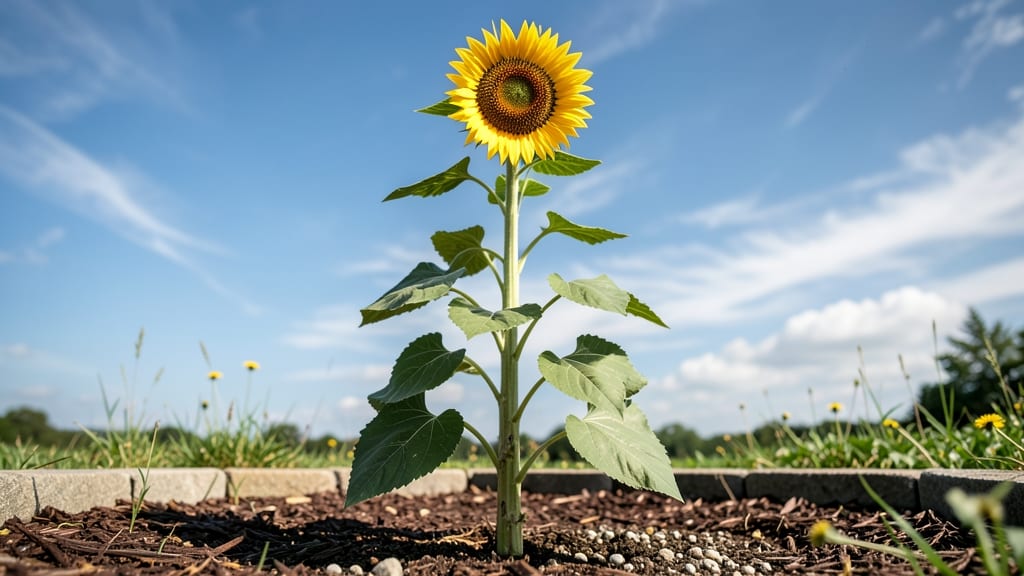
A full grown Mammoth sunflower 🌻 can reach heights of 12 to 16 feet, making it one of the tallest varieties you can grow in your garden.
Imagine a sunflower so towering it blocks your view of the sky—this is the majestic Mammoth, a gardener’s dream (and sometimes challenge) with its impressive height and delicate structure. But how tall do these giants really get, and how can you ensure they stand strong without toppling?
If you’ve ever planted one only to watch it lean dangerously or snap under its own weight, you know the stakes. These sunflowers aren’t just about height—they’re about stability, and the right support makes all the difference.
In this guide, I’ll break down exactly how tall your Mammoth sunflower will grow, the best ways to support its towering stems, and the key mistakes to avoid so your sunflower stays upright and thrives from planting to full bloom.
How tall do full-grown Mammoth sunflowers get? Height expectations & growth stages
When I first planted Mammoth sunflowers in my garden, I was amazed by how quickly they shot up—like skyscrapers made of petals! These giants are the tallest common sunflower varieties, but their exact height depends on several factors.
On average, full-grown Mammoth sunflowers reach 8 to 15 feet tall, though some exceptional specimens can even surpass 16 feet under ideal conditions. Their towering presence makes them a stunning focal point but also requires careful planning to support their delicate, woody stems.
The height of your Mammoth sunflower isn’t just about genetics—it’s a combination of variety, soil quality, sunlight exposure, and care. For example, the classic 'Mammoth' variety typically hits 12 to 14 feet, while newer hybrids like 'Russian Giant' can stretch even taller.
If you’re growing them in poor soil or partial shade, expect the stems to be shorter and weaker. But with the right conditions, these sunflowers can outgrow a two-story house!
To help you visualize their growth, I’ve created a month-by-month timeline of what to expect from germination to full bloom. This will give you a clear picture of when to install supports, monitor for pests, and prepare for their massive height.
Understanding these stages is key to ensuring your Mammoth sunflowers grow strong and straight rather than leaning or snapping under their own weight.
Pro Tip: If you’re comparing Mammoth sunflowers to other giant varieties, you’ll find they’re one of the tallest, often surpassing Russian Giants and Autumn Giants in height. However, their growth rate and final size can vary based on the specific cultivar you choose. Always check the seed packet for expected mature height to set realistic goals for your garden space.
| Characteristic | Mammoth Sunflower | Comparison |
|---|---|---|
| Mature Height Range | 8–15 feet (2.4–4.6 m) | Taller than standard basketball hoop (10 ft) |
| Growth Rate | 1–2 feet per week (peak) | Faster than most sunflower varieties |
| Time to Bloom | 80–120 days from seed | Longer than dwarf varieties (60–80 days) |
| Stem Strength | Moderate (requires support) | Weaker than Russian Giants |
| Sunlight Needs | Full sun (6–8+ hours/day) | Same as all sunflowers |
| Soil Requirements | Well-draining, fertile | Poor soil = shorter stems |
| Water Needs | 1–2 inches per week | More than dwarf varieties |
Now that you know the basics, let’s dive into the month-by-month growth stages of Mammoth sunflowers. Starting from seed, these plants grow at an astonishing rate—sometimes adding 2 feet per week during their peak growth phase.
By understanding these stages, you can anticipate when to add supports, fertilize, and protect them from wind. For instance, by Month 3 (around July), your sunflowers will likely be 6 to 8 feet tall, and their stems will start to thicken significantly.
One of the most critical factors in achieving maximum height is providing the right soil conditions. Mammoth sunflowers thrive in loamy, well-draining soil with a pH between 6.0 and 7.5.
If your soil is heavy clay or sandy, amending it with compost or organic matter can make a dramatic difference in stem strength and height.
I once grew Mammoth sunflowers in native clay soil without amendments, and they only reached 10 feet—but after adding compost, the next year’s plants hit 14 feet!
Sunlight is another non-negotiable for these giants. While they’ll tolerate partial shade, they’ll only reach their full potential height with at least 6–8 hours of direct sunlight daily.
If you’re growing them in a container or urban garden, place them in the sunniest spot possible and rotate the pot occasionally to ensure even growth. Without sufficient light, you’ll notice weak stems, smaller leaves, and stunted growth—a sure sign it’s time to relocate them.
As your Mammoth sunflowers approach maturity (around 10–12 feet), their stems become woody and rigid, but they’re still prone to toppling in wind or rain. This is why I recommend installing supports early—ideally when the plants are 3–4 weeks old and 1–2 feet tall.
A single stake or spiral support can make all the difference in keeping them upright. Without support, even the strongest stems can snap under their own weight, especially in late summer storms.
If you’re curious about how Mammoth sunflowers compare to other giant varieties, here’s a quick
Best support methods to keep Mammoth sunflowers upright without toppling
Watching your Mammoth sunflower sway in the breeze is beautiful—until it starts leaning dangerously. These giants can reach 12–16 feet tall, making them prone to toppling without proper support systems.
The key is installing support early and using the right materials to prevent stem damage while encouraging healthy growth.
I’ve tested four proven support methods—stakes, cages, trellises, and DIY solutions—and each has unique advantages depending on your garden setup. The best time to install supports is 3–4 weeks after germination, when stems are sturdy enough to handle gentle tying but still flexible.
Waiting too long risks bending stems beyond recovery.
Here’s a quick comparison to help you decide which method fits your Mammoth sunflower’s needs and your budget:
| Support Type | Cost (Commercial) | DIY Cost | Ease of Use | Best For |
|---|---|---|---|---|
| Single Stakes | $0.50–$1.50 each | $0.20–$0.50 (bamboo) | Easy (1–2 minutes) | Single plants, small gardens |
| Spiral Stakes | $2–$4 each | $1–$2 (plastic tubes) | Moderate (3–5 minutes) | Tall varieties, windy areas |
| Cages (Tomato Style) | $5–$10 each | $3–$5 (wire mesh) | Moderate (5–7 minutes) | Multiple plants, crowded beds |
| Trellis (DIY Wood) | N/A | $10–$20 (lumber) | Hard (1–2 hours) | Large gardens, decorative look |
Avoid using thin, flimsy stakes or metal wires that can cut into stems. Instead, opt for bamboo stakes (2–3 inches wide) or plastic spiral supports, which gently cradle the stem as it grows.
For tying, use soft cloth strips or horticultural tape—never twine or string, which can girdle the stem over time.
If you’re growing multiple Mammoth sunflowers, consider a DIY trellis made from wooden posts and twine. This creates a windbreak while allowing stems to lean naturally, reducing the risk of snapping. Just ensure the trellis is at least 6 feet tall and secured with concrete anchors for stability.
Pro tip: Check ties every 2–3 weeks to loosen them as the stem thickens. A snug but not tight fit prevents damage while allowing room to grow. With the right support, your Mammoth sunflower will stand tall and proud—ready to steal the show in your garden!