
Blooming
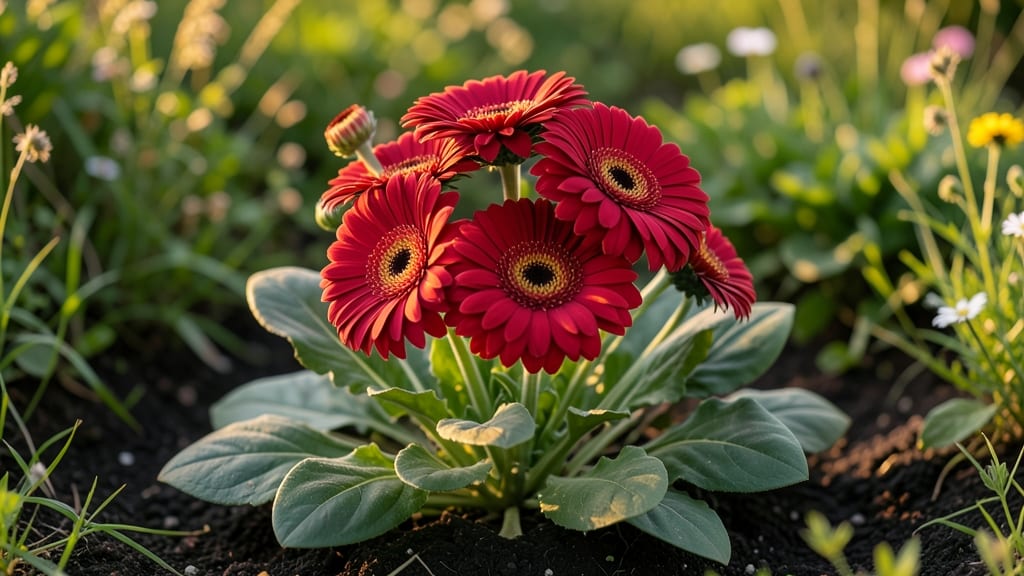
Gerbera daisies thrive during the flowering season from June through October when given proper care, but their vibrant blooms can last longer with a few simple tricks.
If you’ve ever wondered why your gerbera daisies bloom in bursts—then vanish just as quickly—understanding their flowering season is the key to year-round color. These vibrant favorites thrive on timing, and a month-by-month approach can transform sporadic blooms into a nonstop garden spectacle.
In USDA Zone 6a, where many gardeners grow gerbera daisies, the ideal flowering window aligns with warm, sunny days. However, with the right adjustments—like strategic pruning or light supplementation—you can coax extra blooms even outside these months. The secret lies in matching their needs to the season.
Here, I’ll break down the natural blooming cycle, regional tweaks, and easy care hacks to extend your gerbera daisy’s flowering season by weeks. Let’s make those 🌼 last all year!
Gerbera daisy flowering season by month: when and why peaks occur
Gerbera daisies bloom spectacularly from late spring through fall, but their timing depends heavily on your USDA hardiness zone and local climate. In zones 8-11, they often flower year-round, while in cooler zones (6-7), they take a dormancy break in winter.
Understanding these patterns helps you anticipate and extend their vibrant displays.
The key to gerbera blooms lies in daylight hours and temperature. These sun-lovers need 6+ hours of sunlight daily to trigger flower buds. When days lengthen in spring, they respond by producing 3-6 weeks of continuous blooms before needing a rest.
Their natural cycle peaks in summer months when warmth and light are abundant.
Regional variations create dramatic differences. In USDA zone 10, gerberas may bloom year-round with minimal dormancy, while zone 7 gardeners see spring and fall peaks separated by a summer lull. The 12-hour daylight threshold acts as their internal switch—once days shorten below this, blooming slows dramatically.
In USDA zone 9, gerberas often enjoy two bloom cycles—one in spring and another in fall—while zone 11 gardeners can expect year-round color with proper care. The 12-hour daylight rule explains why blooms surge in summer: longer days signal the plant to produce more flowers.
When days shorten below this threshold, gerberas shift focus to root development instead of blooming.
Your local climate also plays a role. Coastal regions with mild winters may see extended fall blooming, while inland areas experience sharper seasonal transitions.
In zone 8, for example, gerberas typically bloom from May through October with a brief lull in late summer when temperatures peak above 90°F.
Each 3-6 week bloom cycle follows this pattern: buds form in response to increasing daylight, flowers open fully in warm weather, and then spent blooms should be removed to encourage new growth.
This deadheading practice prevents seed production and redirects energy into more flowers. Without it, you'll notice fewer blooms over time as the plant focuses on seed development.
For gardeners in cooler climates, understanding dormancy is crucial. When temperatures drop below 50°F at night, gerberas enter a resting phase. In zone 6, this means no blooms from November through March unless you provide artificial light supplementation.
The plant conserves energy during these months, storing nutrients for next year's growth.
One common misconception is that gerberas bloom continuously once planted. In reality, their natural cycle includes rest periods—even in warm climates. The 60-90 day bloom window per cycle is typical, followed by a 2-4 week rest before the next flush.
Recognizing these patterns helps you plan for seasonal gaps and choose companion plants that fill the void.
To maximize your gerbera's blooming potential, pay attention to light intensity as much as duration. While 6+ hours of sunlight is ideal, bright, direct light (like morning sun) produces more vibrant colors than diffused afternoon light.
In shadier conditions, you'll see fewer blooms and paler petals as the plant struggles to produce enough energy for flowering.
How to extend gerbera daisy blooms beyond their natural season
Gerbera daisies naturally bloom from late spring through fall, but with the right techniques, you can coax them into flowering year-round. The secret lies in manipulating their natural triggers—light exposure, soil warmth, and nutrient timing.
Whether you're dealing with short summer days or a chilly winter, these methods will help your gerberas defy the seasons and keep blooming like clockwork.
For gardeners in USDA zones 6-8, extending the season is especially valuable since frost can cut blooms short. Even in warmer zones, indoor cultivation or greenhouse setups can create a controlled environment where gerberas thrive outside their natural window.
The key is understanding how to mimic ideal growing conditions and adjust care routines accordingly.
🌼 5 Proven Techniques to Extend Gerbera Blooms
- Strategic Pruning: Trim back 1/3 of stems after each bloom cycle to encourage new flower buds and prevent legginess.
- Light Supplementation: Use grow lights (12-14 hours/day) in winter to compensate for short daylight periods.
- Soil Temperature Control: Keep soil 60-75°F year-round—use mulch in winter or heated mats indoors.
- Fertilizer Adjustments: Switch to high-phosphorus (10-20-10) fertilizer every 4 weeks in winter to boost blooming.
- Deadheading Year-Round: Remove spent blooms immediately to redirect energy into new flower production.
Let’s start with pruning, the simplest way to reset your gerbera’s growth cycle. When you see blooms fading, snip the stem just above a leaf node using clean, sharp bypass pruners.
This encourages the plant to focus energy on lateral buds rather than seed production. For indoor plants, prune more aggressively—up to half the plant—to maintain a compact, bushy shape that blooms continuously.
Light is the next critical factor. Gerberas need 6+ hours of direct sunlight daily, but in winter, natural light drops below this threshold. Place pots near south-facing windows or supplement with LED grow lights (full-spectrum bulbs work best).
Aim for 12-14 hours of light/day to mimic summer conditions. Pro tip: Rotate pots weekly so all sides get even exposure, preventing lopsided growth.
Soil temperature plays a surprising role in blooming. Gerberas won’t set buds below 60°F, so in colder months, take action. For outdoor plants, add a 4-inch layer of straw mulch to insulate roots.
Indoors, use a heating mat under pots if your home runs cool. A simple soil thermometer ensures you’re keeping temps in the ideal 60-75°F range—any colder, and buds will abort.
Fertilizer timing can make or break extended blooms. During the natural growing season (spring-fall), use a balanced 5-10-10 fertilizer every 4-6 weeks. But for winter blooming, switch to a high-phosphorus (10-20-10) formula to prioritize flowers over foliage.
Always water before fertilizing to prevent root burn, and avoid feeding in extreme heat or cold when plants are stressed.
Finally, deadheading is non-negotiable for year-round blooms. Snip off faded flowers daily if possible, or at least 2-3 times per week. This prevents seed formation, which saps energy from new buds. For indoor plants, pair deadheading with a light misting of water to reduce stress.
With these techniques, your gerberas will bloom continuously from spring through winter, turning your garden into a nonstop color show.