
Blooming
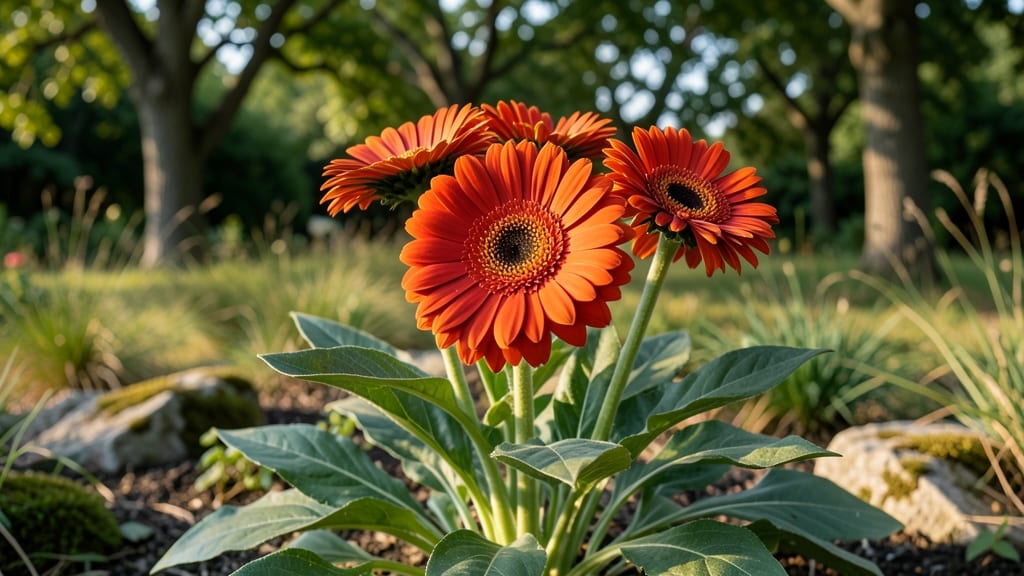
The gerbera flower season stretches from late spring to early fall in most climates, but with the right tricks, you can coax blooms year-round—even in cooler zones.
Picture this: your patio bursting with bright 🌼 gerbera daisies in December, while neighbors pack up their gardens for winter. It’s not magic—just smart timing, light, and a few season-specific tweaks that turn your garden into a four-season showstopper.
In Zone 6, gerberas typically bloom from July through September, but tropical varieties and container hacks can shift that window dramatically. Whether you’re dealing with short summer days or sudden frost, I’ll show you how to align their care with their natural rhythms—and when to break the rules.
You’ll learn which gerbera types thrive in heat, how to stretch their season with grow lights, and the one pruning mistake that kills blooms faster than cold weather. Let’s make your garden the envy of the block, no matter the calendar.
Gerbera flower season by climate: when they bloom naturally
Gerbera daisies thrive in warm climates but adapt beautifully to temperate and even cold zones with proper care. Their blooming seasons shift dramatically based on USDA hardiness zones and seasonal temperature swings.
In my Zone 6 garden, I’ve learned gerberas bloom from late spring to early fall, but tropical regions enjoy year-round displays. Let’s explore how climate dictates their flowering cycles.
Temperature is the biggest factor for gerbera blooming. These sun-loving flowers need consistent warmth—below 50°F (10°C), growth slows, and buds drop. In tropical climates, gerberas bloom continuously, while temperate zones see seasonal bursts.
Cold climates limit gerberas to container gardening or greenhouse growing. Understanding your zone helps you time plantings for maximum blooms.
🌼 Gerbera Flower Season by Climate Summary
| Climate Type | Natural Blooming Season | USDA Zones | Key Care Notes |
|---|---|---|---|
| Tropical | Year-round (peaks in wet seasons) | 10-12 | Needs daily water and shade during intense heat |
| Temperate | Late spring to early fall (May-Sept) | 6-9 | Full sun and mulching extend season |
| Cold Continental | Summer only (June-August) | 3-5 | Grow in containers for winter protection |
| Mediterranean | Spring and fall (March-May, Sept-Nov) | 7-10 | Drought-tolerant varieties perform best |
In tropical climates (Zones 10-12), gerberas bloom year-round with peaks during wet seasons. My friend in Hawaii grows gerberas in raised beds with drip irrigation to prevent fungal issues from humidity.
The key is consistent moisture without waterlogging—gerberas hate soggy roots. In these climates, you’ll see continuous color if you provide 6+ hours of sun daily.
For temperate zones (Zones 6-9), like my Zone 7 garden, gerberas bloom from late May through September. The first frost signals their dormancy. To extend their season, I plant in containers and move them indoors before 45°F (7°C) nights. Mulching with straw helps regulate soil temperature.
In Zone 8-9, you can push blooms into early October with row covers.
Cold climates (Zones 3-5) limit gerberas to summer-only blooms. In Zone 5, I’ve had success growing gerberas in large pots on patios, moving them to garages when temps drop.
The critical threshold is 40°F (4°C)—below this, buds abort. For Zone 4, consider annual gerberas planted after last frost and removed before frost.
Regional variations matter too. In Southern California (Zone 9), gerberas bloom spring and fall due to Mediterranean climate patterns. Meanwhile, Florida’s humidity (Zone 10) requires fungicide sprays to prevent powdery mildew. Always check your local microclimate—urban areas may be 5°F warmer than rural zones, delaying frost.
Light also affects blooming. Gerberas need full sun (6+ hours) to produce vibrant blooms. In shady spots, they’ll grow leggy with fewer flowers. My Zone 6 garden gets partial shade in summer—here, I prune lower leaves to improve airflow and light penetration.
For container gerberas, rotate pots weekly to ensure even sun exposure.
Soil temperature plays a hidden role. Gerberas won’t thrive until soil reaches 60°F (15°C). In cool springs, use black plastic mulch to warm soil faster.
I’ve seen gerberas planted in cold soil develop root rot—always check with a soil thermometer before planting. Well-draining soil with pH 6.0-6.5 is ideal for optimal blooming.
To maximize blooms, deadhead spent flowers regularly. This signals the plant to produce new buds. In my garden, I snip flowers at the base with clean shears every 2-3 days during peak season. Fertilize with low-nitrogen (5-10-10) feed every 4-6 weeks to encourage flowering over foliage. Avoid over-fertilizing
How to extend gerbera flower season indoors and outdoors
Gerbera daisies naturally thrive in warm climates, but with the right techniques, you can coax them into blooming almost year-round. Whether you're dealing with short summer days or urban container gardening, these vibrant flowers can be tricked into extending their show-stopping displays beyond their usual season.
The key lies in understanding their light needs, soil conditions, and pruning strategies—all of which I’ve perfected in my own garden.
For outdoor gardeners, the biggest challenge is often late-season heat stress or early frost sensitivity. Gerberas are tropical plants at heart, so they need consistent warmth to keep producing blooms. Meanwhile, urban gardeners face different hurdles like limited sunlight and small-space constraints.
The good news? With a few targeted adjustments, you can create ideal conditions whether you're working with a sunny backyard or a bright windowsill.
- 1. Maximize Light Exposure: Gerberas need 6+ hours of direct sunlight daily. Use reflective surfaces or grow lights (12-14 hours/day) indoors to compensate for short winter days.
- 2. Maintain Warmth: Keep soil temps above 60°F (15°C)—use mulch outdoors or heat mats indoors during cooler months.
- 3. Prune Strategically: Trim dead blooms immediately and cut back leggy stems by 1/3 to encourage bushier growth and more flowers.
- 4. Feed Regularly: Use a balanced 5-10-10 fertilizer every 4-6 weeks during active growth (spring-fall) to fuel continuous blooming.
- 5. Choose Cold-Hardy Varieties: Opt for 'Teresa' or 'Roulette'—these tolerate cooler temps better than standard types.
Let’s start with light management, the most critical factor for extending gerbera seasons. In my Zone 7 garden, I’ve found that supplementing natural light with LED grow bulbs during late fall and early spring adds 2-3 extra weeks of blooming.
For containers, place them near south-facing windows or use adjustable shelving to rotate pots for even light exposure. Indoor growers should avoid placing gerberas near drafty windows—they hate temperature fluctuations.
Soil conditions play a surprisingly big role in seasonal extension. Gerberas detest soggy roots, so I always amend my well-draining potting mix with perlite or sand (20% mix). For outdoor beds, raise them in elevated planters to prevent waterlogging.
During winter, I add a thick layer of straw mulch to insulate roots and maintain consistent moisture—this keeps them blooming up to 4 weeks later than unprotected plants.
Pruning might seem counterintuitive when you want more flowers, but it’s actually the secret weapon for extending seasons. After each bloom fades, I snip the stem at the base with clean shears. This prevents energy waste on seed production and redirects it to new side shoots.
For overwintering indoors, I do a light pruning in early fall to encourage compact growth—this makes them more manageable in containers and prevents legginess.
Don’t forget about seasonal fertilization shifts. In spring and summer, I feed weekly with a diluted fish emulsion (5-5-5) to boost blooms, but I switch to a low-nitrogen formula (like 2-4-4) in late summer to prevent leafy growth at the expense of flowers.
For indoor plants, I use slow-release pellets every 3 months to avoid overfeeding during their winter dormancy period.
With these techniques, my gerberas now bloom from late spring through early frost—and with careful indoor care, I’ve even gotten Christmas blooms using grow lights.
The key is consistency: monitor light, adjust watering, and prune regularly. Your gerberas will reward you with nonstop color that rivals their natural season! 🌼