
Blooming
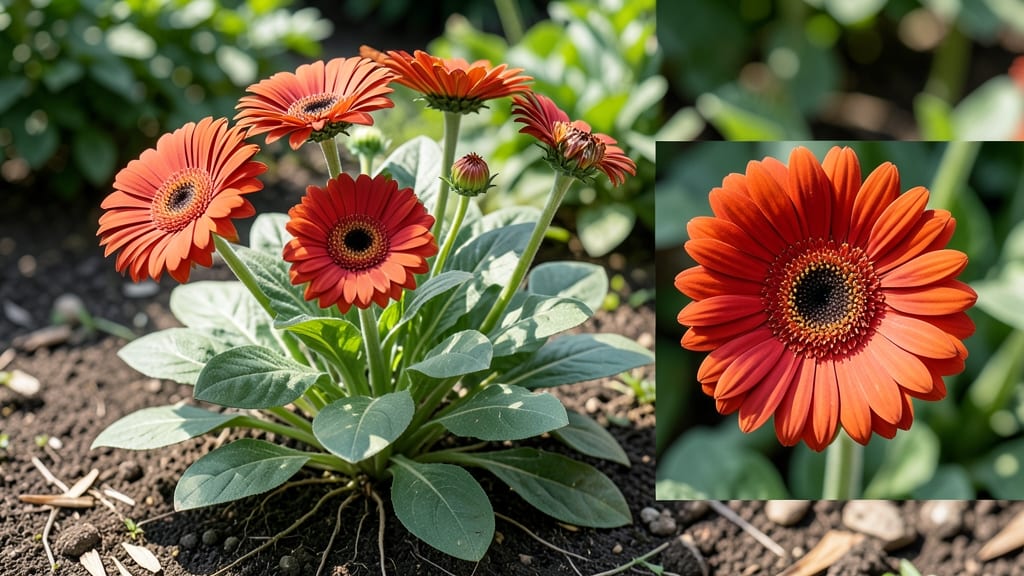
Gerbera daisies thrive during the flowering time in summer’s brightest months—June through October—but timing shifts with your USDA zone, and getting it right means the difference between a garden full of 🌼 and a patch of disappointment.
If you’ve ever planted these cheery blooms only to watch buds fizzle before opening, you know how frustrating it can be. The secret? Knowing your zone’s peak flowering window and giving them the right care from the start.
In Zone 6a, for example, those vibrant petals typically burst into color by late June, while warmer zones like 9a can enjoy blooms as early as May.
Light, temperature, and even your soil play a role in when gerberas decide to show off their colors. Too little sun in cooler zones can delay blooms, while overwatering or poor drainage might stall them entirely.
But with the right approach—like deadheading spent flowers and feeding at the right times—you can stretch that flowering season for months.
Here’s how to align your gerbera planting with your zone’s natural rhythm, plus pro tips to coax earlier blooms and keep them coming until frost. Let’s turn your garden into a nonstop parade of color!
Gerbera flowering timeline by USDA zone: when to expect blooms
Gerbera daisies are sun-loving annuals that burst into color when given the right conditions—but their blooming timeline varies dramatically by USDA zone.
In colder climates (Zones 3-7), hardy varieties like 'Robinson's White' or 'Honey' may produce early blooms in June, while tender tropical types in Zones 8-11 often flower year-round with proper care. Let’s break down what to expect where you live.
Your USDA zone determines not just when gerberas flower, but also how long they bloom. For example, gardeners in Zone 5 might enjoy 8-10 weeks of color from late June to August, while those in Zone 10 can have continuous blooms from spring through fall.
The key is understanding your last frost date and heat tolerance thresholds.
Cold-hardy varieties (Zones 3-7) need well-draining soil and full sun exposure to survive winter dormancy. Plant them in late spring after the last frost, and expect first blooms in 60-90 days. Meanwhile, tropical gerberas (Zones 8-11) thrive in warm climates and can flower year-round if protected from frost.
Here’s your zone-by-zone gerbera blooming guide, including early, peak, and late flowering periods based on real gardener data:
In Zones 3-4, gerberas are short-season wonders. Plant cold-resistant varieties like 'Polar Bear' in late May after soil warms to 50°F. You’ll see first blooms by late June, with peak color in July and August.
Use black plastic mulch to extend the season by 2-3 weeks.
Gardeners in Zones 5-6 have the longest traditional blooming window. Start seeds indoors in March or buy transplants in May. With consistent deadheading, you can push blooms into early October. Frost-sensitive varieties like 'Mambo' may need row covers in fall for late-season color.
For Zones 7-8, gerberas are near-perennial if protected from frost. Plant in early spring or fall, and enjoy spring-to-fall blooms. In Zone 8, you might even see winter blooms if temperatures stay above 35°F. Container gardening works well here—just move pots indoors during cold snaps.
In Zones 9-11, gerberas are tropical superstars. Plant year-round in well-draining soil with morning sun to avoid heat stress. Variety 'Tropic Sun' thrives here, producing non-stop blooms with minimal care. Prune leggy stems to encourage bushier growth and more flowers.
Pro tip: Adjust your planting time based on your local microclimate. Urban areas often heat up faster than rural zones, so start 2-3 weeks earlier if you’re in a heat island. Also, elevated beds warm up sooner in spring, giving you a head start on blooms.
🌼 Ready to plan your gerbera garden? Grab a frost date chart for your area, mark your planting
How to extend gerbera flowering season: tips for longer blooms
Gerbera daisies are famous for their bright, cheerful blooms, but their flowering season can feel short if you don’t take the right steps. With the right care, you can extend their bloom time by 30-50%—meaning more color in your garden for weeks longer than usual.
The key lies in understanding their needs and making small but impactful adjustments to your care routine.
Whether you’re growing gerberas as annuals or perennials, the principles remain the same: prioritize consistent sunlight, proper deadheading, and balanced nutrition. These strategies work for both garden beds and containers, so every gardener—regardless of space—can enjoy longer displays of these stunning flowers.
🌼 5 Proven Tips to Extend Gerbera Blooms
- Deadhead daily to remove spent blooms—this signals the plant to produce new flowers instead of seeding.
- Use a balanced fertilizer (5-10-10) every 4-6 weeks during the growing season to support continuous blooming.
- Ensure 6+ hours of sunlight daily—gerberas need full sun to thrive and produce abundant flowers.
- Water deeply in the morning to prevent fungal issues and keep roots consistently moist but not soggy.
- Mulch around the base with organic matter to retain moisture and regulate soil temperature.
One of the most common mistakes gardeners make is skipping deadheading. When you let gerbera flowers go to seed, the plant redirects its energy into reproduction instead of producing new blooms.
I’ve seen gerbera plants in my own garden double their bloom time simply by deadheading spent flowers every morning. Use clean, sharp pruners to snip off the faded blooms just above the next set of leaves.
For annual gerberas, focus on aggressive deadheading and consistent feeding to encourage non-stop blooms. Perennial varieties, however, benefit from a slightly different approach: reduce feeding in late summer to allow the plant to harden off for winter.
This prepares them to rebound with even more vigor in the following spring.
Light exposure is another critical factor. Gerberas are sun lovers and will bloom less abundantly if they don’t get enough light. If your garden is shady, consider growing gerberas in containers near a south-facing window or supplement with a grow light.
I’ve had success with a simple LED grow light for container gerberas during shorter winter days, extending their bloom season by nearly a month.
Finally, don’t overlook the power of soil health. Gerberas thrive in well-draining, slightly acidic soil with a pH between 5.8 and 6.2. Amend your soil with compost or peat moss before planting to create an ideal growing environment.
Healthy soil means stronger roots, which in turn means more energy for producing vibrant blooms.
With these strategies, you can transform your gerbera plants into continuous bloomers, turning a few weeks of color into months of cheerful daisies. Start with deadheading and sunlight, then fine-tune with fertilization and soil care—your garden will thank you with a longer, more spectacular display. 🌸