
Blooming
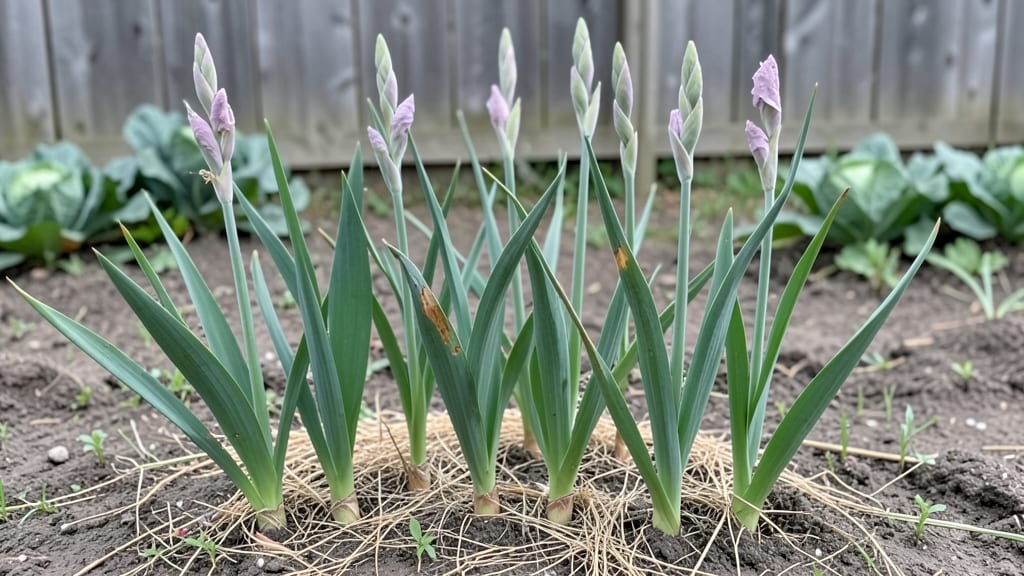
Gladioli not flowering can turn your summer garden from showstopper to disappointment—but I’ve fixed this exact problem in my own yard, and the solution is simpler than you think. 🌱 The issue almost always boils down to three overlooked factors: soil health, sunlight exposure, and how you’re feeding those hungry stalks.
I’ve seen glads go from bare stems to dramatic spikes of blooms in just 6 weeks after making these adjustments.
The biggest culprit? Overcrowding or poor soil that starves roots before they can push up flowers. My first year, I planted gladioli too close together, and they put all their energy into leaves instead of blooms.
A little spacing—and a boost of phosphorus-rich fertilizer—changed everything. You don’t need fancy amendments; a balanced 10-10-10 fertilizer applied in early summer does the trick.
Here’s the game-changer: staking early and cutting back foliage strategically. Thin out extra stalks to leave 3-4 strong ones per clump, and stake them at 18 inches tall before they flop.
This redirects energy upward, where you want it. Within 3-4 weeks, you’ll see buds forming—just in time for peak summer color.
This fix works for both in-ground and container gladioli, whether you’re in a hot, dry climate or a humid one. The key is consistency: feed, space, and stake at the right times, and your glads will deliver bold, long-lasting blooms every season. Let’s get those flowers back in your garden!
Why it happens
When your gladioli plants stand tall but refuse to bloom, it’s often a sign that something fundamental is off—whether it’s their environment, care routine, or even their biological needs. Understanding these root causes is the first step to coaxing those vibrant spikes into flower.
Let’s break down the most common reasons why your gladioli might be playing hard to bloom, along with the science behind them.
🌱 Insufficient Light Exposure
Gladioli (Gladiolus spp.) are sun-loving plants that thrive in full sunlight (6–8 hours daily). When they don’t get enough light, their energy shifts from flowering to leafy growth—a survival tactic to maximize photosynthesis. Here’s why it happens:
- Photosynthesis slowdown: Low light reduces chlorophyll production, limiting the plant’s ability to store energy for flower buds.
- Daylength sensitivity: Gladioli are short-day plants in some varieties, meaning they need a specific light-dark cycle to trigger blooming. Too much shade disrupts this rhythm.
- Weak stems: Without adequate light, stems grow leggy and weak, diverting resources away from flower development.
Actionable fix: Move your gladioli to a sunnier spot or supplement with a grow light (12–14 hours/day) if shade is unavoidable.
💧 Nutrient Imbalances: Too Much or Too Little
Gladioli are heavy feeders, but their nutrient needs shift as they mature. A misstep in fertilization can stall blooming. Here’s how:
- Excess nitrogen: Over-fertilizing with nitrogen-rich feeds (like lawn fertilizer) promotes leafy growth at the expense of flowers. Nitrogen fuels foliage, while phosphorus and potassium are critical for blooming.
- Phosphorus deficiency: This macronutrient is the "flowering trigger." Without enough phosphorus (P), plants prioritize roots and leaves over buds.
- Micronutrient gaps: Lack of boron or magnesium can cause bud blast (flowers abort before opening) or stunted growth.
Actionable fix:
- Switch to a balanced bloom booster (e.g., 5-10-10 or 10-20-20 NPK ratio) when corms sprout.
- Avoid high-nitrogen feeds after mid-summer; focus on phosphorus and potassium.
- Test soil pH—gladioli prefer 6.0–7.0. Acidic soil (<5.5) locks out nutrients like phosphorus.
🌡️ Temperature and Stress Triggers
Gladioli are sensitive to temperature extremes and stress, which can delay or prevent flowering. Here’s the science:
- Heat stress: Temperatures above 85°F (29°C) for prolonged periods cause flower bud abortion. High heat disrupts pollen formation and stigma receptivity.
- Cold snaps: Early-season frosts (<32°F/0°C) can damage emerging corms, while late-season chills (<50°F/10°C) slow metabolic processes needed for blooming.
- Transplant shock: Moving established corms disrupts their root systems, diverting energy to recovery instead of flowering.
Actionable fix:
- Plant corms in spring after the last frost when soil reaches 60°F (15°C).
- Use mulch (straw or shredded leaves) to regulate soil temperature and retain moisture.
- If heat is an issue, provide afternoon shade with lightweight shade cloth (30–50%).
🌿 Overcrowded or Mature Corms
Gladioli corms multiply over time, but too many in one spot or aging corms can lead to non-flowering. Here’s why:
- Competition for resources: Overcrowded corms fight for water, nutrients, and sunlight, resulting in smaller, weaker stalks that skip flowering.
- Corm aging: Corms older than 3–4 years may produce fewer or no flowers as they prioritize reproduction via offsets (baby corms).
- Dormancy signals: If corms aren’t given a proper rest period (digging and drying in winter), they may not "reset" for the next growing season.
Actionable fix:
- Thin corms in fall or early spring, spacing them 4–6 inches apart and 6 inches deep.
- Replace old corms (3+ years) with fresh ones from a nursery.
- After blooming, cut back foliage but leave it until it yellows to allow corms to store energy.
🚫 Pest and Disease Interference
Hidden pests or pathogens can sap a plant’s energy, leaving it too weak to flower. Common culprits include:
- Thrips: These tiny insects feed on flower buds, causing deformed or blank spikes.
- Gladiolus rust (Puccinia gladioli): A fungal disease that creates orange pustules on leaves, reducing photosynthesis and energy for blooms.
- Corm rot (Fusarium or Phytophthora): Waterlogged soil or poor drainage leads to corm decay, starving the plant.
Actionable fix:
- Inspect plants weekly for holes in buds or discolored leaves.
- Apply neem oil or insecticidal soap for thrips; rotate with fungicides (copper-based) for rust.
- Improve drainage by amending soil with perlite or sand and avoid overhead watering.
How to solve it
If your gladioli are putting out lush foliage but refusing to bloom, don’t panic—there’s a solution for every stubborn stalk! 🌱💥 The key is identifying the root cause (or causes) and taking targeted action.
Below, we’ve mapped out practical fixes for each common issue, along with prevention tips to keep your gladioli flowering like champs next season.
🔥 Overcrowding: Give Them Space to Shine
When gladioli are planted too close together, they compete for nutrients, sunlight, and energy—leaving little for flower production.
How to Fix It:
🔪 Thin the stalks – Carefully dig up and remove some of the smaller, weaker stalks, leaving only the healthiest 2–3 per clump.
Space them 6–8 inches apart for optimal airflow and growth. 🌱 Divide the tubers – Every 2–3 years, dig up the tubers, separate the corms, and replant them in fresh soil.
This rejuvenates the plant and prevents overcrowding. 📅 Plan ahead – If you’re planting new gladioli, space them 6–12 inches apart in rows 18–24 inches apart to avoid future crowding.
💡 Prevention Tip:
Rotate planting locations every few years to prevent soil depletion and disease buildup. Gladioli thrive in the same spot for 2–3 years, but moving them afterward keeps them vigorous!
☀️ Insufficient Sunlight: Brighten Their World
Gladioli are sun-worshippers—they need full sun (6–8 hours daily) to trigger flowering. Shady spots mean no blooms, just leaves.
How to Fix It:
🌞 Move to sunnier ground – Relocate your gladioli to a spot that gets at least 6 hours of direct sunlight.
If your yard is shady, consider a raised bed or a south-facing area. 🌿 Prune nearby competitors – Trim back tall plants, trees, or shrubs that might be casting shade over your gladioli. ⏰ Adjust planting timing – If you’re in a cooler climate, plant gladioli 2–3 weeks earlier to ensure they get enough sunlight before summer shade sets in.
💡 Prevention Tip:
Choose a permanent sunny spot for your gladioli—once they’re established, moving them is disruptive. If you’re unsure about sunlight, use a light meter app to check your garden’s conditions!
💧 Watering Woes: Strike the Right Balance
Too little water stresses plants; too much rots tubers. Gladioli need consistent moisture—especially during the 6–8 weeks before blooming—but they hate soggy soil.
How to Fix It:
💦 Deep water weekly – Water 1 inch per week, aiming for the roots (not the leaves).
Use a drip irrigation system or soaker hose to keep moisture even. 🌧️ Mulch like a pro – Apply 2–3 inches of mulch (straw or shredded leaves) to retain moisture and regulate soil temperature. 🚫 Avoid overhead watering – Wet foliage can lead to rust disease, which weakens plants and reduces flowering.
Water at the base instead.
💡 Prevention Tip:
Install a rain gauge to track weekly rainfall—if you get 1+ inch of rain, skip watering that day. Overwatering is a top killer of gladioli blooms!
🌿 Nutrient Deficiencies: Feed for Flowers
Gladioli are heavy feeders, especially during their blooming phase. Poor soil means weak stalks and no flowers.
How to Fix It:
🍽️ Fertilize in stages –
- Planting time: Mix in 2–3 inches of compost or a balanced fertilizer (10-10-10).
- When foliage appears: Apply a low-nitrogen, high-phosphorus fertilizer (5-10-10 or 3-4-6) to encourage blooms.
- Every 4–6 weeks: Top-dress with bone meal or fish emulsion for a phosphorus boost.
🌱 Test your soil – Use a DIY soil test kit to check pH and nutrient levels. Gladioli prefer slightly acidic to neutral soil (pH 6.0–7.0). Amend with lime (to raise pH) or sulfur (to lower pH) if needed.
💡 Prevention Tip:
Add aged manure or worm castings to the soil in fall or early spring to build long-term fertility. Gladioli hate fresh manure—it can burn their roots!
❄️ Temperature & Stress: Protect Their Growth
Gladioli are warm-season lovers. Extreme heat, cold snaps, or sudden temperature swings can shock the plant and halt flowering.
How to Fix It:
🌡️ Extend the season –
- In cool climates, plant gladioli after the last frost (when soil is at least 60°F).
- In hot climates, provide afternoon shade with a lightweight shade cloth (30–50%) during peak summer.
🌿 Hardening off – If you’re growing gladioli from corms indoors, acclimate them gradually to outdoor conditions over 1–2 weeks before planting.
💡 Prevention Tip:
Choose heat-tolerant varieties like ‘Black Star’ or ‘Green Star’ if you live in a hot, dry climate. These types handle stress better than delicate hybrids!
With these targeted fixes, your gladioli should rebound quickly—often producing stunning blooms within 4–6 weeks of correction. 🌸✨ The secret? Act fast, adjust one thing at a time, and keep an eye on their progress. Happy gardening!
Frequently asked questions
Why are my gladioli growing leaves but no flowers?
This usually happens when your gladioli aren’t getting enough sunlight, proper nutrients, or are overcrowded. Gladioli need 6-8 hours of direct sunlight daily and a balanced fertilizer with phosphorus to trigger blooming. If your corms are packed too closely together, they’ll focus energy on leaf growth instead of flowers.
How can I encourage my gladioli to bloom faster?
Start by switching to a high-phosphorus fertilizer like 5-10-10 or bone meal, and ensure they’re planted in well-draining soil with 6 inches of spacing between corms. Staking them early and providing afternoon shade in hot climates can also redirect energy toward blooming. You may see results in 3-4 weeks!
Should I cut back the foliage after my gladioli bloom?
No! Let the leaves stay until they turn yellow—this allows the corms to store energy for next season. Only then can you cut them back to about 2-3 inches above the soil. This step is crucial for healthy, flowering gladioli in future years.
Can I save my gladioli if they’re not flowering this year?
Dig up the corms after the foliage dies back, let them dry for 1-2 weeks in a cool, dry place, then store them in a mesh bag. Next spring, replant them in fresh soil with proper spacing and care—many gladioli will bloom beautifully in their second year!
What’s the best way to prevent gladioli from not flowering next year?
Rotate planting locations yearly, use a phosphorus-rich fertilizer during growth, and ensure they get full sun. Also, thin out crowded corms and avoid overwatering. These simple steps create the perfect conditions for vibrant blooms every season.