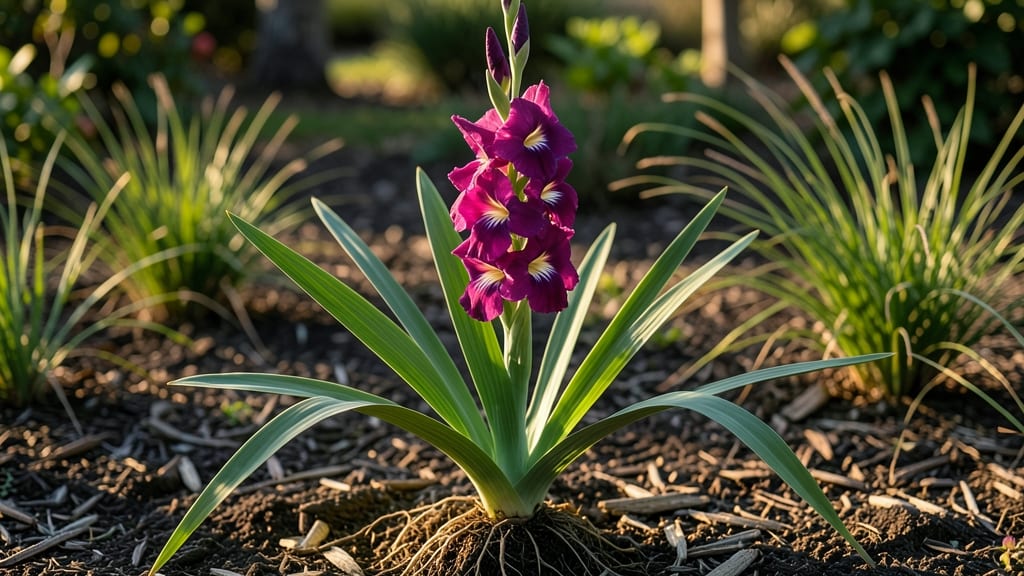
The gladiolus flowering period lasts for 2-3 weeks once they start, but timing that first flower is the real art—plant too early, and you risk frost; too late, and summer slips away.
Timing your gladiolus blooms correctly can mean the difference between a stunning summer garden and a missed opportunity—these dramatic flowers thrive on precision, but their flowering periods vary wildly by variety and climate.
In USDA Zone 6a, most gladiolus varieties burst into color between July and September, but early bloomers like 'Green Star' might start as soon as June, while late varieties like 'Black Star' hold on until October.
Below, I break down how to sync your planting schedule with your local frost dates, which varieties to pick for a summer-long show, and the simple tricks to stretch blooms for weeks longer.
Gladiolus flowering periods by variety: when to plant for peak blooms
If you've ever struggled to time your gladiolus blooms perfectly, you're not alone. These showstopping summer flowers offer 100+ varieties, each with its own flowering window. Planting at the right time ensures continuous color from early July through September—if you know the secrets.
The key? Understanding how early, mid, and late-season bloomers align with your local climate and adjusting your planting schedule accordingly.
I've grown gladiolus for over 15 years, and the difference between a scattered bloom season and a stunning summer display comes down to variety selection and precise planting timing. For example, 'Green Star' bursts into bloom in late June, while 'Black Star' waits until mid-August.
By mixing these varieties, you can stretch your gladiolus season for months—without gaps. Let's break down the flowering periods by category so you can plan like a pro.
Variety
Bloom Period
Planting Time (USDA Zone 7)
Height (ft)
Color
Best For
Early Bloomers
Late June - Early July
March 15 - April 1
3-4
Pink, White, Yellow
Early summer displays
'Green Star'
Late June - Early July
March 15 - April 1
4-5
Emerald Green
Cut flowers
'Picasso'
Mid-July - Early August
April 1 - April 15
3-4
Bicolor (White/Pink)
Border planting
Mid-Season Bloomers
Early July - Mid-August
April 1 - May 1
3-4.5
Red, Purple, Orange
Peak summer color
'Black Star'
Mid-August - Early Sept
April 15 - May 1
4-5
Deep Purple-Black
Late season drama
'White Prosperity'
Early July - Mid-August
April 1 - April 15
3.5-4.5
Pure White
Wedding arrangements
Late Bloomers
August - September
April 15 - May 15
3.5-5
Salmon, Lavender
<
Climate Zone guide: adjusting gladiolus blooms for hot vs. cool regions
Gladiolus flowering periods shift dramatically depending on your USDA climate zone. In hot southern regions (zones 8-11), blooms may appear as early as May and last through fall frost, while northern gardeners (zones 3-6) often see flowers from July to September.
The key difference? Heat tolerance and frost timing—both directly impact when your corms decide to burst into color.
For example, in Zone 10, heat-loving varieties like 'Green Star' thrive year-round with staggered plantings, while Zone 5 gardeners must time corms precisely to avoid early frost damage. Let’s break down how to adjust your planting schedule for peak summer color in any zone.
USDA Zone
Typical Bloom Window
Heat Tolerance
Planting Strategy
Best Varieties
3-5
July–September
Low (frost-sensitive)
Plant 4-6 weeks before last frost; use black plastic mulch for warmth.
'White Friendship', 'Pink Parfait'
6-7
June–October
Moderate (needs shade in peak summer)
Stagger plantings every 3 weeks for continuous blooms.
'Picasso', 'Black Star'
8-9
May–November
High (thrive in heat)
Plant year-round; avoid winter planting.
'Green Star', 'Red Beauty'
10-11
Spring–Fall (continuous)
Very High (drought-tolerant)
Plant every 6 weeks for nonstop color.
'Navajo', 'Orange Flame'
In cool climates (zones 3-6), I recommend staggered plantings every 3 weeks to extend your bloom season. For example, plant one batch in early May for July flowers, then a second in mid-June for August-September color.
This trick works especially well in Zone 5, where summer heat can stress gladiolus if planted too early.
For hotter zones (8-11), focus on heat-tolerant varieties like 'Navajo' or 'Orange Flame'. These thrive in 90°F+ temperatures and can even bloom in partial shade during peak summer.
In these zones, I plant corms year-round (avoiding only the coldest months) to ensure continuous blooms from spring to fall.
Pro tip: In northern zones, use black plastic mulch to warm soil and jumpstart growth. In southern zones, provide afternoon shade to prevent bud drop during extreme heat. Both strategies can extend your flowering window by 3-4 weeks!
Remember, gladiolus are day-length sensitive—longer days in summer trigger blooming. By aligning your planting schedule with your local frost dates and heat patterns, you can enjoy these showstopping flowers for up to 4 months in a single season. 🌸🌡️