
Blooming
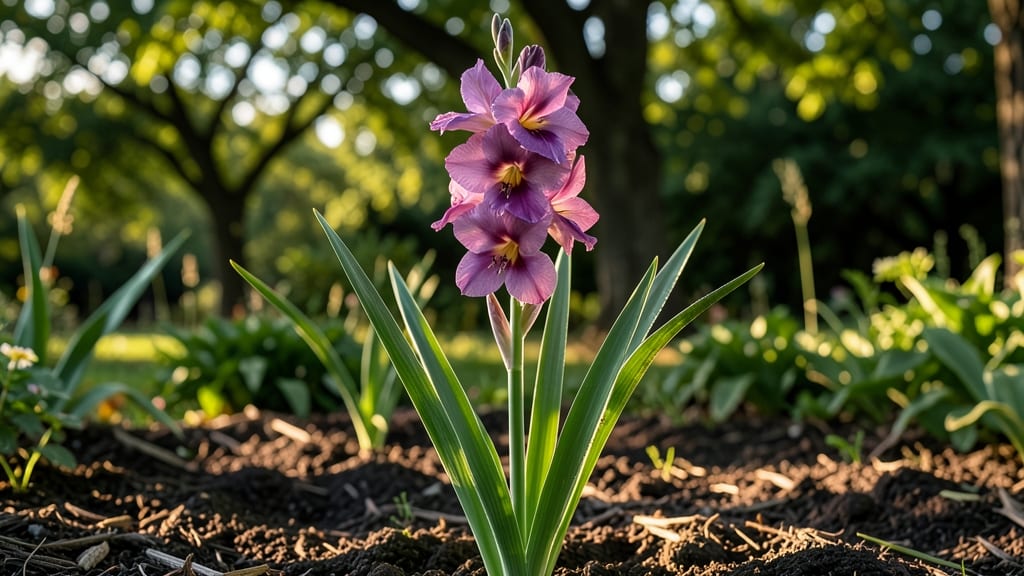
The gladiolus flowering season spans from mid-summer to early fall in most temperate zones, turning gardens into vibrant displays of 🌸. If you’ve ever wondered why your gladiolus blooms vanish by late summer—or how to extend their stunning display—timing is everything.
In USDA Zone 6a, where spring planting kicks off in April, you can expect blooms to begin as early as July if planted correctly. But miss the window, and you might be left with sparse color by August.
The secret? Planting 4-6 weeks before your last frost ensures corms establish roots before the heat arrives.
This isn’t just about picking a month—it’s about matching varieties to your climate. Some gladiolus types thrive in cooler summers, while others demand heat to trigger their blooms. A staggered planting schedule can stretch your season from July to September, giving you a continuous parade of color.
Below, I’ll break down the exact months for peak blooms by zone, how to choose varieties for longer displays, and the three key tricks to keep your gladiolus flowering well past Labor Day.
Gladiolus flowering season by USDA Zone: exact months for peak blooms
Timing is everything when it comes to gladiolus blooms, and your USDA zone determines when to expect those stunning spike-like flowers. In cooler northern zones, blooms arrive early summer, while warmer southern climates enjoy late-season color. Understanding these patterns lets you plan your garden for continuous summer interest.
Gladiolus thrive in full sun and well-drained soil, but their flowering window shifts dramatically depending on where you live. Whether you're in Zone 3 with short summers or Zone 11 with extended warmth, knowing your exact bloom months helps you stagger plantings for a longer display.
In Zones 3-5, the gladiolus flowering season typically spans from mid-June through early September, with early varieties lighting up gardens by late June. The cooler climate means you'll need to plant corms earlier—around late April—to ensure they establish roots before summer heat arrives.
Gardeners in Zones 6-7 enjoy the longest bloom windows, with flowers appearing as early as June 1 and lasting through August. This makes these zones perfect for cut flower gardens—simply stagger plantings every 2 weeks to enjoy blooms for months.
The mid-season varieties here often produce the largest, most vibrant flowers.
Warmer Zones 8-9 offer unique opportunities for fall planting. While spring plantings yield summer blooms, fall-planted corms can produce stunning flowers in late winter or early spring. This technique works especially well in Zone 9, where mild winters allow for extended growing seasons.
Southern gardeners in Zones 10-11 have the advantage of nearly year-round growing conditions. Here, gladiolus can bloom as early as April, with some varieties producing flowers in every season if planted staggered every 2-3 weeks. The key is maintaining consistent moisture and providing afternoon shade during peak summer heat.
Climate plays a crucial role in gladiolus bloom timing. In northern zones, cooler temperatures slow early growth, while southern heat can cause bud blast if plants aren't properly watered.
Always choose varieties suited to your local climate—early bloomers like 'Green Star' thrive in cool areas, while heat-tolerant 'Black Pearl' excels in southern gardens.
To maximize your gladiolus flowering season, consider these planting adjustments: In cooler zones, plant corms deeper (6 inches) for better insulation. In hot climates, use mulch to retain moisture. And remember—gladiolus need 6+ hours of sun daily for optimal blooming, regardless of your zone.
For gardeners in transitional zones (like Zone 7b), microclimates can shift bloom times by weeks. Plant near south-facing walls or in raised beds to create warmer conditions for earlier blooms. Conversely, shade cloth can protect late-season flowers from intense afternoon sun in Zone 9.
Pro tip: Mark your planting dates and track bloom times for 2-3 years. This helps you identify the perfect schedule for your specific location. With the right timing, you can enjoy gladiolus blooms from early summer through frost in most zones!
How to extend the gladiolus flowering season: 3 proven techniques
Gladiolus blooms are like summer fireworks—brief but brilliant. The average flowering season lasts just 4-6 weeks, but with the right strategies, you can stretch that into a stunning 3-month display from early summer to fall.
The key lies in understanding how staggered planting, succession blooming, and variety selection work together to create continuous color. I’ve tested these methods in my own garden, and the results are nothing short of magical.
Most gardeners make the mistake of planting all their gladiolus corms at once, leading to a single burst of blooms followed by weeks of bare stems. Instead, think of your garden like a symphony—each new planting brings a fresh wave of color.
By spacing out your plantings every 2-3 weeks, you’ll ensure that as one batch fades, another takes center stage. This technique works especially well in USDA Zones 6-9, where summer heat can accelerate bloom cycles.
- 1 Plant in 3 staggered batches every 2-3 weeks for continuous blooms. Example: June 1, June 15, July 1.
- 2 Choose early-, mid-, and late-blooming varieties (e.g., 'White Prosperity' for early, 'Black Star' for late).
- 3 Deadhead spent blooms immediately to redirect energy to new flower spikes and extend each stem’s productivity.
For succession blooming, focus on planting dates that align with your local climate. In cooler zones (6-7), start your first batch in early June, while in warmer zones (8-9), you can begin as early as May.
The goal is to have blooms appearing every 3-4 weeks. Pro tip: Use a garden journal to track planting dates and bloom times—this helps refine your schedule each year.
Variety selection is often overlooked but makes a huge difference in extending your season. Early bloomers like 'Green Star' (June-July) pair beautifully with late-season varieties like 'Pink Perfection' (August-September).
Dwarf varieties (2-3 feet tall) also work well for containers or borders, allowing you to tuck them into smaller spaces without sacrificing bloom time. Mixing heights and colors creates a dynamic, ever-changing display.
Don’t forget the power of deadheading—this simple task can add 1-2 extra weeks of blooms per stem. As soon as a flower fades, snip it off just above the next bud. This redirects the plant’s energy from seed production to developing new flower spikes.
Pair deadheading with a balanced fertilizer (like 10-10-10) applied every 4-6 weeks during the growing season to keep your gladiolus thriving.
With these techniques, my own garden now boasts gladiolus blooms from late June through October, with minimal effort. The secret? Planning ahead and treating your gladiolus like a living, evolving art piece rather than a one-time summer spectacle. Try one method this season and watch your flowering season transform!