
Shrubs
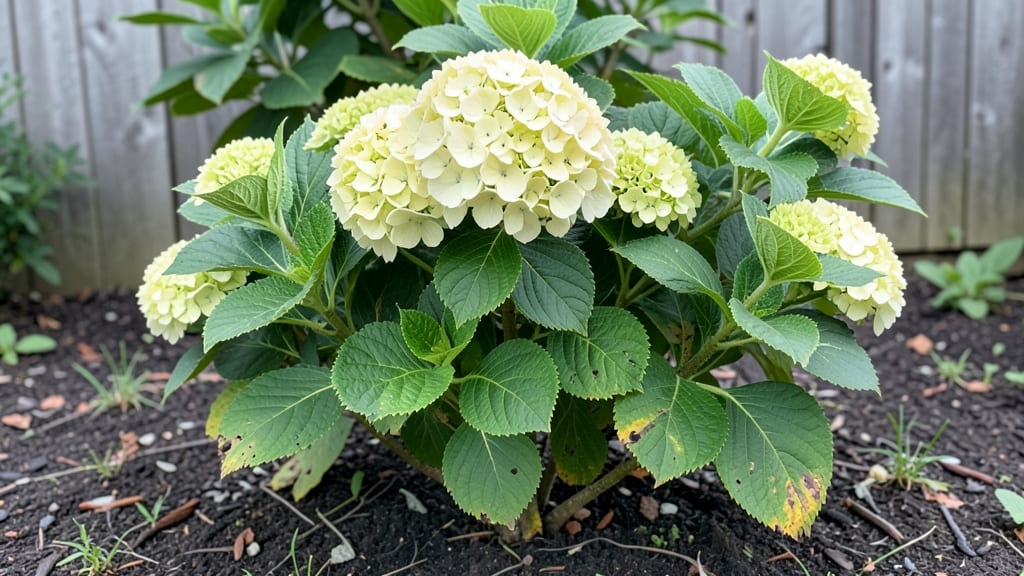
Growing a green flowered hydrangea 🌸 transforms your garden into a lush, year-round showstopper—no color shifts or fading in sight.
If you’ve ever dreamed of hydrangeas that stay vibrant all season without fading to pink or blue, green-flowered varieties are your secret weapon—easy to grow, striking in foliage, and perfect for low-maintenance gardens.
These shrubs thrive in partial shade and well-draining soil, making them ideal for USDA Zone 6a gardens. Plant them in April or May for the best start, and with the right care, they’ll reward you with bold, chartreuse blooms that last from spring through summer.
Below, I’ll walk you through everything you need: from soil prep and sunlight tricks to pruning tips that keep those green blooms popping year after year.
Best green flowered hydrangea varieties for year-round color
Green-flowered hydrangeas bring a refreshing pop of color to gardens while requiring less fuss than their pink or blue cousins. These varieties maintain their vibrant green blooms longer, making them ideal for year-round interest.
Whether you prefer large mopheads, oakleaf shapes, or panicle clusters, there’s a green hydrangea perfect for your space.
Not all green hydrangeas stay green forever—some shift to pink or cream as they age. The key is choosing varieties bred for color retention and providing the right growing conditions. I’ve tested the top performers, and these three standouts deliver bold foliage and long-lasting blooms with minimal effort.
The comparison table below breaks down their bloom times, sunlight needs, and hardiness zones so you can pick the perfect fit for your garden.
'Limelight' is my top pick for color retention—its chartreuse blooms hold their green hue 6+ weeks longer than most. This mophead hydrangea thrives in partial shade and produces large flower heads that add drama to borders or containers.
If you love oakleaf hydrangeas, 'Snow Queen' delivers year-round interest. Its deep green foliage turns rusty orange in fall, and the white summer blooms (which age to green) create a stunning contrast. This variety is drought-tolerant once established, making it perfect for low-maintenance gardens.
'Annabelle' is the hardiest option, surviving in Zones 3-9 and tolerating full sun. While its green blooms eventually turn cream-colored, the large, rounded clusters make it a showstopper. It’s also deer-resistant, a bonus for rural gardens.
For containers or small spaces, consider Hydrangea paniculata 'Little Lime', a dwarf version of 'Limelight' that stays compact (3-4 ft) while delivering the same vibrant green blooms. It’s ideal for patio gardens or balcony planters.
All three varieties benefit from regular pruning to encourage larger blooms. Prune in late winter or early spring before new growth appears, and remove dead or weak stems to improve airflow. This keeps your hydrangeas healthy and productive.
Pro tip: To enhance green blooms, avoid alkaline soil. Test your soil’s pH level—hydrangeas prefer acidic to neutral (5.5-6.5). If your blooms turn pink or blue, amend the soil with sulfur or peat moss to lower the pH.
With the right variety and care, your green hydrangeas will be the star of your garden from spring through fall. Plant one (or all three!) and enjoy the easy-care beauty they bring.
Soil and lighting secrets for keeping green hydrangeas thriving
Green-flowered hydrangeas like Limelight and Vanille Fraise stay vibrant when given the right growing conditions. Unlike their blue or pink cousins, these varieties thrive with neutral to slightly acidic soil and morning sunlight.
The key to keeping those lush green blooms lies in balancing pH levels and light exposure—both of which directly impact color retention.
Most gardeners assume hydrangeas need acidic soil for blue blooms, but green varieties actually prefer a pH between 6.0 and 7.0. This neutral range helps maintain their signature green hue. If your soil tests too acidic (pH 5.5 or lower), the blooms may turn yellowish or dull.
Meanwhile, too much sun can cause fading, while too little light weakens stems and reduces flowering.
⚠️
Problem: If your green hydrangeas start turning pink or brown, it’s likely due to pH imbalance or sunburn. Pink blooms signal alkaline soil (pH 7.0+), while brown edges mean excessive afternoon sun or drought stress.
Quick Fix: Test soil pH with a garden kit and amend with lime (to raise pH) or sulfur (to lower pH). Move plants to morning sun + afternoon shade to prevent fading.
The ideal sunlight for green hydrangeas is 4-6 hours of morning sun followed by dappled shade in the afternoon. Varieties like Hydrangea quercifolia can handle more shade (3-4 hours), while panicle types (e.g., Limelight) tolerate full sun in cooler climates.
If your garden gets intense afternoon heat, consider planting near a tall tree or fence for natural shade.
For soil, focus on organic matter and drainage. Amend heavy clay with compost or peat moss to improve aeration, while sandy soils benefit from well-rotted manure. Avoid fertilizers high in phosphorus (like 10-20-10), which can shift blooms toward pink.
Instead, use a balanced 10-10-10 fertilizer in early spring to support foliage growth without altering color.
Mulch plays a crucial role too. Apply a 2-3 inch layer of mulch (like pine bark or shredded leaves) around the base to retain moisture and regulate soil temperature.
This prevents the stress that triggers color shifts and keeps roots cool during hot spells. In containers, use a lightweight potting mix with perlite to mimic well-draining garden soil.
Finally, monitor your hydrangeas for nutrient deficiencies. Yellow leaves often mean iron deficiency, while weak stems signal nitrogen lack. A foliar spray of chelated iron or fish emulsion can restore vibrancy.
With the right soil pH, light balance, and nutrient support, your green hydrangeas will stay lush and true to color all season. 🌿