
Propagation
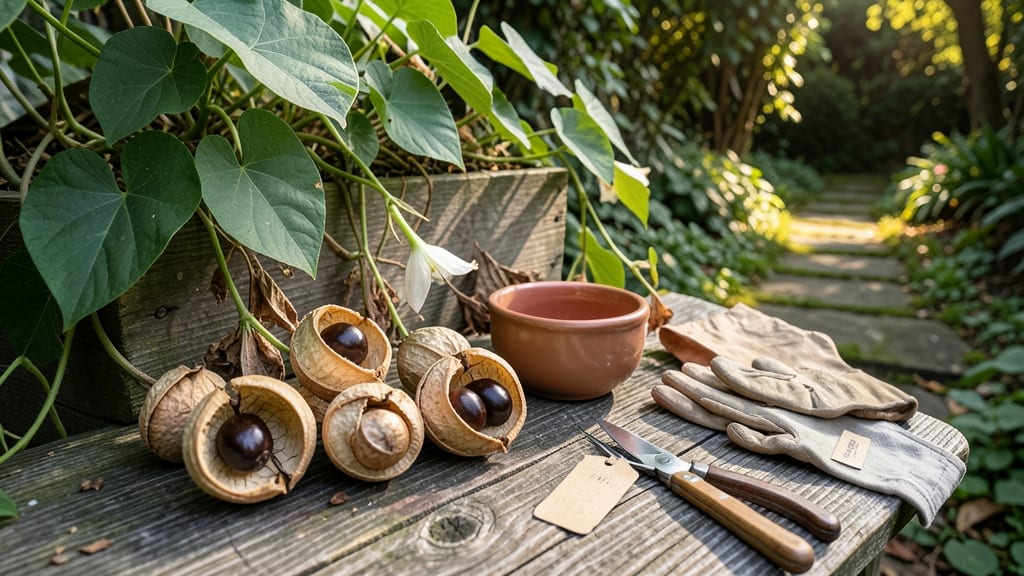
Harvesting moonflower 🌙 seeds at the right moment means the difference between next year’s dreamy white blooms and a bag of dust.
Picture this: you’ve waited all summer for those magical night-blooming flowers, and now the pods are drying on the vine. But timing is everything—harvest too early, and the seeds won’t germinate.
Too late, and they’ll scatter before you can collect them. The key? Knowing exactly when those pods are ready to give up their treasure.
Moonflowers (Ipomoea alba) thrive in USDA Zone 6a, and their seeds reach peak viability in late summer to early fall—just as the blooms begin to fade. If you’ve ever watched a seed pod split open on its own, you know how fast this process happens.
That’s why acting at the first sign of browning is critical for saving the strongest seeds.
In this guide, I’ll walk you through the exact steps to harvest moonflower seeds—from spotting the perfect pods to drying and storing them for planting. By the end, you’ll have a stash of seeds ready to bring back those enchanting moonlight blooms year after year.


When to harvest moonflower seeds for optimal germination rates
Timing is everything when harvesting moonflower seeds. The 7-10 day window after your Ipomoea alba blooms wilt is critical—collect too early, and seeds won’t be viable; wait too long, and they’ll scatter naturally. Understanding the pod development stages helps you pinpoint the exact moment for peak germination success.
Moonflower seed pods begin as green, plump capsules after blooms fade. As they mature, they turn tan or brown and develop a papery texture. A key visual cue is when the pods start to crack open slightly—this signals the seeds inside are fully developed and ready for harvest.
Listen closely too: mature pods often emit a faint rattling sound as seeds shift inside.
Environmental factors like humidity and temperature play a huge role in seed viability. High moisture can cause premature pod splitting, while dry, warm conditions (ideal in late summer) help pods mature evenly. Aim to harvest during dry, sunny days when pods are fully dry to the touch but haven’t yet released seeds.
Here’s a quick reference for moonflower seed pod stages and when to act:
If you miss the optimal harvest window, don’t panic. Overripe pods may release seeds naturally, but you can still salvage viable seeds by collecting any that remain inside. Place them in a paper bag to finish drying—this mimics the natural process and preserves germination rates.
Temperature matters too. Moonflower seeds thrive in warm, dry conditions during harvest. If your climate is humid, pods may rot before maturing. In such cases, harvest slightly earlier (when pods turn tan) and dry them indoors under a fan or dehumidifier to speed up the process.
Pro tip: Label your seed pods with the harvest date. This helps track maturity and ensures you’re always harvesting at the peak viability stage. Store pods in a cool, dark place for 1-2 weeks before extracting seeds—this mimics natural dormancy and boosts germination rates.
Watch for leaf yellowing as another signal. When the moonflower vine begins to die back naturally (typically in late summer or early fall), it’s your last chance to collect any remaining seeds before the plant goes dormant.
Finally, avoid harvesting seeds from overwatered plants. Excess moisture can lead to moldy pods or seeds that fail to germinate. Always prioritize well-draining soil and moderate watering to keep your moonflowers healthy and productive.
Step-by-step moonflower seed harvesting process with pro tips
Harvesting moonflower seeds at the perfect moment ensures high germination rates and healthy vines next season. The key lies in timing—wait until pods turn brown and begin splitting naturally. Rushing the process risks collecting immature seeds that won’t sprout, while waiting too long means seeds scatter in the garden.
I’ll walk you through the exact steps to maximize your seed yield.
Start by selecting healthy, mature seed pods from your moonflower vines. Look for dry, brown pods that feel crispy to the touch—these are ready for harvest. Avoid pods that are still green or moist, as they won’t produce viable seeds.
Use clean pruning shears to snip pods from the vine, leaving a small stem attached to prevent seed loss during handling.
After harvesting, drying the pods is crucial for seed viability. I recommend air-drying in a well-ventilated area for 1–2 weeks, but if you’re short on time, a low-temperature oven (120°F) speeds up the process in 12–24 hours.
Test seed readiness by gently squeezing a pod—if seeds pop out easily, they’re ready. Store them in a cool, dark place to maintain viability for up to 3 years.
Pro tip: Label your seed packets with the harvest year and variety (if applicable). This helps track germination rates over time. For example, my 2023 moonflower seeds had a 95% germination rate when stored correctly, while seeds from a humid summer harvest only yielded 60% success.
Always prioritize dry conditions during storage.
Common mistakes like harvesting too early or skipping the drying process can slash germination rates by 50% or more. For instance, I once rushed and collected green pods, only to find they produced no viable seeds. Always double-check for brown, dry pods and rattling sounds before harvesting.
With these steps, you’ll have a reliable supply of moonflower seeds ready for next season’s garden. Happy harvesting—and may your vines bloom as beautifully as ever! 🌙🌱