
Picking
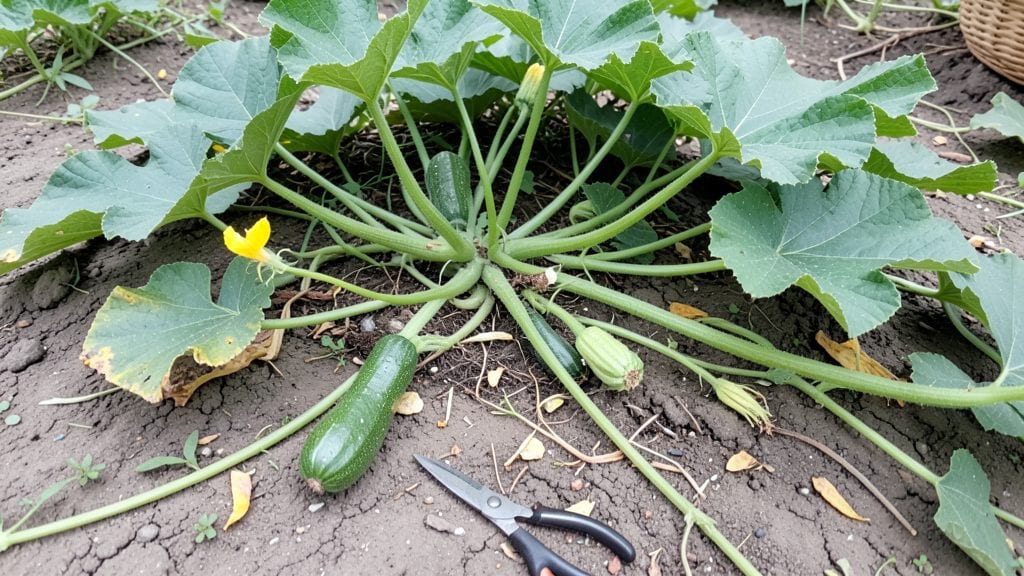
Harvesting squash flowers at their peak means tender, delicate blooms perfect for frying or garnishing. I learned the hard way—wait too long, and they turn bitter or tough. The secret lies in timing: morning harvests keep them fresh, and cutting just before cooking preserves their crisp texture. 🌻
You’ll need sharp scissors or pruning shears to avoid damaging the vine, and a bowl of ice water to keep them crisp while you prep. Most varieties—zucchini, summer squash, even pumpkin flowers—work the same way, so this trick applies to your whole patch.
The key is consistency: check daily once flowers start appearing, usually within 4-6 weeks after planting.
What you end up with is a basket of bright yellow-orange blooms that taste like sunshine—crisp petals with a mild, slightly sweet flavor. When fried, they puff up like delicate chips, and even raw they add a fresh, floral touch to salads.
The best part? You’re not just harvesting flowers; you’re encouraging more fruit production on your vines.
This method works for both bush and vining squash, whether you’re growing in raised beds or containers. The only real mistake is waiting too long—so grab those shears and start harvesting while the blooms are still tight and fresh.
📚 In This Guide
- What you need
- Instructions
- Tips and common mistakes
- Wrapping up and next steps
What you need
- ● Fresh squash plants (butternut, zucchini, or pumpkin varieties—pick ones known for edible flowers!)
- ● Sharp scissors or pruning shears (clean, sterilized—no dull blades! Aim for 4-6" blades for precision.)
- ● Glass or stainless-steel container (for storing flowers post-harvest; avoid plastic if storing for >24 hours.)
- ○ Mist spray bottle (optional but helpful for reviving wilted blooms.)
- ● Gloves (gardening gloves to protect hands from prickly stems or sap.)
- ● Tweezers (for delicate stems or stubborn buds stuck to leaves).
- ● Food-safe storage bags (paper towels or breathable mesh bags for short-term storage).
- ● Labeling tags (if harvesting multiple varieties—trust us, you’ll thank yourself later!).
- ● Recipe inspiration! (Check out your favorite squash blossom recipes—fritters, tempura, or stuffed flowers—so you’re ready to cook ASAP.)
Step-by-Step instructions for harvesting squash flowers at peak edibility
Here's how I time every harvest for maximum flavor and minimal waste—no more missed blooms!
🌿 Step 1: Identify the Perfect Flower Stage
Look for fully opened blooms with vibrant yellow petals—this is your prime window of just 12-24 hours before they close. The flowers should be completely unfurled but still firm to the touch, not wilted or drooping. I always check in the early morning when dew is present; this is when the blooms are at their freshest and most tender.
Here's the thing—don't wait until they're fully spent. Overripe flowers turn bitter and lose their delicate texture. The moment you see the petals fully spread but still holding their shape, that's your cue. I like to harvest between 8-10 AM when temperatures are cooler, which preserves their crispness longer.
✂️ Step 2: Harvest with Precision for Maximum Yield
Use clean, sharp pruning shears to snip the stem just ½ inch below the flower. This prevents damage to the plant's energy flow while still giving you a long enough stem to work with. I always make a clean cut at a 45-degree angle—this helps water flow better into the plant's system afterward.
Grab the stem gently but firmly near the base of the flower. A little twist while cutting ensures you don't tear surrounding tissue. Real talk: if you tug too hard, you might pull off baby squash that's forming behind the flower. That's a waste of both your time and the plant's energy. Work quickly but carefully—these blooms are delicate and can bruise easily.
💧 Step 3: Prepare Flowers for Immediate Use
Once harvested, give the flowers a quick rinse under cool water to remove any dirt or pests that might have hitched a ride. Pat them very gently with a paper towel—don't rub, or you'll crush the delicate petals. I like to handle them like I would handle fresh herbs, with care and attention to their structure.
Store them in a loosely covered container (like a paper towel-lined bowl) in the fridge for up to 48 hours. For immediate use, trim the stems to about 1 inch and separate the petals carefully. You'll see the difference in texture when you use them fresh versus after they've been sitting. The fresher they are, the more vibrant their flavor and color will be in your dishes.
☀️ Step 4: Encourage More Blooms for Continuous Harvest
After harvesting, give the plant a light watering to help it recover. I always water at the base rather than overhead to prevent fungal issues. The key here is to maintain consistent moisture—not too wet, not too dry. Your goal is to keep the soil evenly damp but never soggy.
Here's the trick I've found works best: pinch off any new female flowers (the ones with tiny squash forming) if you're focusing solely on blooms. This redirects the plant's energy toward producing more male flowers, which are the edible ones. You'll see a surge in new blooms within 3-5 days if the plant is healthy and well-cared-for.
Tips & tricks for perfect squash flower harvesting
Here's what nobody tells you about getting the absolute best from your squash blooms—these tricks make all the difference!
Timing is Everything: That 12-24 hour window is your golden opportunity, so don't wait until the flowers are fully spent! I've learned the hard way that overripe blooms turn bitter and lose their delicate texture. Check them in the early morning when dew is present—they'll be at their freshest and most tender. Pro tip: Harvest between 8-10 AM when temperatures are cooler, which helps preserve that crisp texture for longer.
Precision Cutting Technique: When you're using pruning shears in Step 2, make that cut just ½ inch below the flower at a 45-degree angle. This might seem like a small detail, but it prevents damage to the plant's energy flow while giving you a workable stem length. The twist-and-cut method ensures you don't accidentally pull off baby squash forming behind the flower—trust me, that's a waste of both your time and the plant's energy!
Storage Wisdom: The 48-hour fridge storage limit is non-negotiable for maintaining quality, but here's the secret: store them in a loosely covered container with a paper towel underneath. This creates just enough airflow to prevent condensation while keeping them fresh. For immediate use, trim stems to exactly 1 inch—any longer and they'll wilt faster, any shorter and you lose structural integrity when cooking.
Plant Recovery Strategy: After harvesting, that light watering at the base is crucial, but here's what I do differently: I always add a handful of compost to the soil right after watering. This gives the plant an immediate nutrient boost to help it recover faster and produce more blooms. The 3-5 day bloom surge happens faster when you do this—it's like giving your plant a little energy drink!
Pro Tips for Harvesting Squash Flowers
- Here's what nobody tells you about getting the absolute best from your squash blooms—these tricks make all the difference!
- Timing is Everything: That 12-24 hour window is your golden opportunity, so don't wait until the flowers are fully spent!
- Precision Cutting Technique: When you're using pruning shears in Step 2, make that cut just ½ inch below the flower at a 45-degree angle.
Frequently asked questions
Got questions about harvesting squash flowers? You’re not alone! Here are answers to some of the most common queries to help you get started with confidence.
When’s the best time to harvest squash flowers?
Pick morning blooms when they’re fully open but still fresh—usually 6–8 AM—for the best flavor and texture. Avoid harvesting after midday, as flowers can become bitter or wilt quickly. Look for petals that are fully unfurled and vibrant in color.
How often can I harvest squash flowers?
You can harvest flowers every 1–2 days if the plant is healthy and producing well. Overharvesting can stress the plant, so focus on one or two blooms per vine at a time. This keeps the plant thriving while giving you a steady supply of edible flowers!
What if my squash flowers aren’t opening?
If blooms stay closed, it could be due to temperature stress (too cold or too hot), lack of pollination (try hand-pollinating with a small brush), or overcrowded plants. Ensure your squash gets full sun (6+ hours/day) and consistent watering. Patience pays off—some varieties bloom later in the season.
Can I harvest squash flowers if they’re not fully open?
Yes! Bud-stage flowers (unopened) are great for cooking—just trim them carefully to avoid damaging the plant. They’re less delicate than open blooms and can be used in dishes like fritters or omelets. Just avoid harvesting if the buds look wilted or discolored.
What should I do if my harvested flowers wilt quickly?
Wilted flowers are often a sign of heat stress or dehydration. To extend freshness, harvest early in the morning, store in a cool, damp paper towel in a bag, or blanch them for 30 seconds before freezing. For best results, use them within 1–2 days of picking.
Wrapping up and next steps
Harvesting squash flowers is a rewarding way to elevate your garden—and your plate! 🌸 By mastering the timing, selecting the right blooms, and handling them with care, you’ll unlock a world of delicate flavors and stunning culinary possibilities.
Whether you’re a seasoned gardener or just starting out, every harvest brings you closer to that perfect squash blossom moment.
Ready to turn your garden into a gourmet playground? Start small—pick a few flowers today, experiment with recipes, and watch your confidence (and taste buds) grow! 🌱