
Blooming
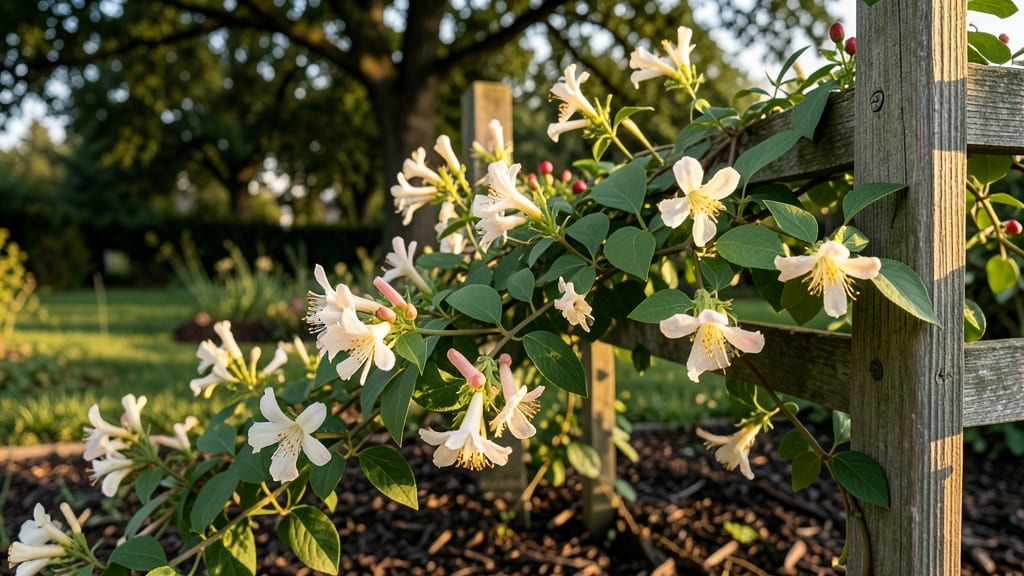
The honeysuckle flowering time depends on your zone, but most varieties burst into fragrant flowers between late spring and early summer.
Picture this: you’ve waited all winter for the sweet scent of honeysuckle to fill your garden, only to find your plant sitting quietly in bud form. The truth? Some varieties need just the right chill hours, while others thrive with a little extra care.
Whether you’re in a cooler USDA Zone 6a or a warmer southern climate, knowing the exact months for your type can mean the difference between a handful of blooms and a vine heavy with fragrant flowers.
Below, I’ll break down the month-by-month flowering windows for common honeysuckle types, plus the simple tricks—like pruning and sunlight tweaks—that can push your plant to bloom earlier or extend the season. No guesswork, just results.
Ready to transform your garden into a summer-long perfume factory? Let’s dive into the science (and secrets) behind honeysuckle’s peak bloom periods.
Honeysuckle flowering time by USDA zone: exact months for peak blooms
Timing your honeysuckle blooms isn’t just about patience—it’s about knowing your USDA zone. In Zone 3, hardy varieties like Lonicera periclymenum (European honeysuckle) wake up early, while Zone 10 climates enjoy late-season fragrance from Lonicera sempervirens (trumpet honeysuckle) well into fall.
The difference? 3-4 months in peak bloom windows! Understanding these patterns helps you plan for seasonal pruning, fertilization, and even wildlife support (hummingbirds adore honeysuckle!).
Most honeysuckles follow a spring-to-summer bloom cycle, but some varieties—like Lonicera tatarica—rebloom in fall. Your zone determines whether you’ll see early May blooms (Zones 4-6) or continuous summer displays (Zones 7-10).
Even light exposure shifts bloom timing by 2-3 weeks, so partial shade in hot zones can delay or extend flowering. Let’s break it down by zone so you can anticipate those sweet-scented nights.
🌸 NOTE: All timing assumes average conditions. Drought stress or late frosts can delay blooms by 1-2 weeks, while rich soil may advance them. Adjust expectations based on your microclimate!
In Zones 3-4, honeysuckles like Lonicera periclymenum bloom late—often late May to early June—because they need warmer soil to trigger growth. These varieties are spring-only bloomers, so their fragrance is a fleeting reward. To maximize impact, plant near patio seating or deer-proof enclosures (deer devour honeysuckle buds!).
By Zone 5, you gain 2-3 extra weeks of blooms, with Lonicera korolkowii (a dwarf variety) often flowering by early May.
This zone is ideal for reblooming types like L. tatarica 'Arnold Red', which may produce a second flush in late summer if you prune correctly. Prune after first bloom to encourage new growth!
Southern gardeners in Zones 7-10 enjoy the longest bloom seasons. Lonicera sempervirens (trumpet honeysuckle) thrives here, often blooming from April through October with proper care.
In Zone 10, varieties like L. confusa may even flower year-round in mild winters. Heat stress can reduce blooms, so morning watering and afternoon shade are key.
Did you know light exposure can shift bloom times by 3 weeks? A south-facing fence might push blooms 2 weeks earlier compared to a north-side planting.
For extended fragrance, mix early (L. korolkowii), mid (L. periclymenum), and late (L. sempervirens) varieties in the same space.
How to extend honeysuckle flowering season: pruning and care tips
Honeysuckle vines reward gardeners with fragrant blooms that attract hummingbirds, but many varieties only flower once per year—usually in spring or early summer. The key to extended flowering lies in understanding your plant’s type and adjusting care accordingly.
Some honeysuckles, like Lonicera sempervirens, naturally rebloom, while others need pruning tricks to encourage a second flush. Let’s unlock those secrets!
First, identify whether your honeysuckle is a spring bloomer or a reblooming variety. Spring bloomers, like Lonicera periclymenum, set buds on old wood (last year’s growth) and flower before new growth appears.
Rebloomers, such as Lonicera tatarica, produce flowers on new wood and can bloom multiple times if cared for properly. Knowing this difference is critical for pruning timing!
For reblooming varieties, a light pruning in early summer can stimulate a second bloom cycle. Trim back about one-third of the current season’s growth just after the first flush of flowers fades.
This encourages the plant to produce new shoots that will bear more blooms. Pair this with a monthly application of compost tea to boost soil health and flower production.
Soil pH plays a surprisingly big role in flowering. Honeysuckles thrive in slightly acidic to neutral soil (pH 6.0–7.0). Test your soil in early spring and amend with sulfur or lime if needed.
A well-draining but moisture-retentive soil mix—like 50% garden soil, 30% compost, and 20% perlite—keeps roots happy and flowers abundant.
Don’t forget the sunlight factor! While honeysuckles tolerate partial shade, they need at least 4-6 hours of morning sun for optimal blooming. If your vine is in deep shade, consider relocating it or pruning nearby trees to open up the canopy.
A south- or west-facing trellis can also maximize light exposure for climbing varieties.
With these seasonal care adjustments, you can turn a single burst of blooms into a continuous display from late spring through fall. The key is consistency—regular deadheading, strategic pruning, and attentive soil care will transform your honeysuckle into a fragrant, long-blooming star of your garden. 🌿✂️🌸