
Planting
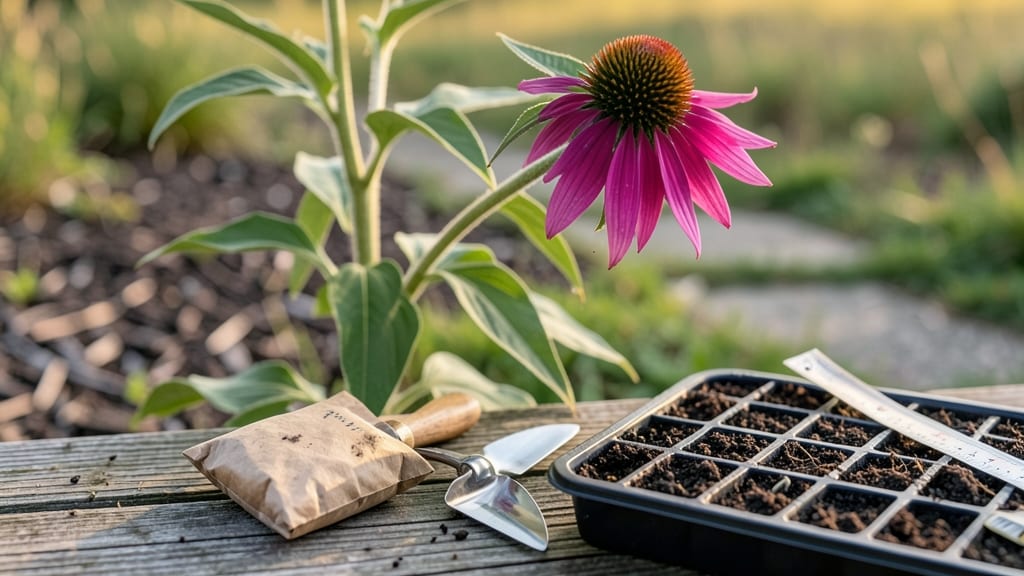
How deep to plant coneflower seeds—about ¼ inch—is the secret to strong, sturdy stems that thrive all season.
Struggling to grow thriving coneflowers? Planting depth makes all the difference—too shallow, and seeds won’t root; too deep, and they’ll rot before sprouting. Here’s the science-backed inch-by-inch guide to planting coneflower seeds for stems that stand tall all season.
Coneflowers 🌼 love well-draining soil, and getting the depth right is half the battle. Too little coverage, and they dry out; too much, and they suffocate. We’ll walk you through the exact method, plus how to adjust for your soil type and climate.
In this guide, you’ll learn how to prepare your soil, space seeds correctly, and protect them from common pitfalls like erosion or bird interference. By the end, you’ll have the confidence to plant coneflowers that grow bold and beautiful from day one.
The perfect coneflower seed planting depth by seed type
Getting your coneflower seeds to sprout reliably starts with the right planting depth. These tiny seeds need just enough soil coverage to stay moist while still accessing light for germination.
The general rule is ¼ inch deep, but soil type and climate can change that. Echinacea purpurea, the most common variety, has slightly different needs than Echinacea pallida or Echinacea tennesseensis.
Let’s break down the exact measurements for each type and how to adjust for your garden’s conditions.
Most gardeners make one of two mistakes: planting too shallow, which leaves seeds exposed to drying winds and bird snacks, or burying them too deep, which suffocates the seedling before it breaks through the soil.
The key is creating a moist, protected microclimate while ensuring the seedling can reach sunlight quickly. For light, sandy soils, you might need to plant slightly shallower, while heavy clay soils may require a tiny bit more coverage to retain moisture.
Visual reference helps—imagine a dime-sized seed (about ⅛ inch wide) needing just enough soil to cover it like a tiny blanket. That’s your ¼-inch target. For comparison, a pencil eraser tip is roughly that depth. Use this as your guide when marking rows or creating seed trenches.
Your local climate zone plays a surprising role in planting depth. In hot, dry climates (like USDA Zone 10), seeds dry out faster, so planting ⅛ inch deep gives them the best chance.
Meanwhile, in cooler, wetter zones (like Zone 5), you can afford to plant slightly deeper (⅓ inch) to protect against fungal risks. If you’re unsure about your zone, check the USDA Plant Hardiness Zone Map and adjust accordingly.
Another trick I’ve used is to create seed trenches instead of scattering seeds. Dig a shallow groove with your finger or a small trowel, place seeds along the bottom, then cover them with soil. This method ensures consistent depth and makes it easier to mark rows for future reference.
For heavy clay soils, mix in compost or perlite to improve drainage before planting—this helps prevent seeds from rotting at depth.
Light exposure is critical after planting. While seeds need darkness to germinate, seedlings must reach sunlight quickly to avoid becoming leggy or weak. If you’re planting in shady spots, consider using a seedling heat mat to encourage faster sprouting.
Thin seedlings to 12-18 inches apart once they’re 2-3 inches tall—this gives them room to grow without competing for nutrients.
For gardeners in cold climates, a little extra care pays off. After planting, cover the area with a lightweight row cover or mulch to retain warmth and moisture. This is especially helpful if you’re sowing seeds in early spring or late fall.
In contrast, tropical climates may require more frequent watering to keep the soil moist until germination (usually 10-21 days for coneflowers).
One common mistake is assuming all coneflower seeds are the same size. While they’re similar, Echinacea tennesseensis seeds tend to be slightly larger and may need the extra ⅓ inch of coverage.
To test your depth, use a ruler or measuring tape to mark your planting lines. For larger batches, a seed spacing tool can save time and ensure precision.
Remember, the goal is to create a stable, moist environment while allowing light to reach the seedling as soon as it’s ready. With the right depth
Step-by-step guide to planting coneflower seeds at the right depth
Getting your coneflower seeds planted at the perfect depth is the first step to vibrant blooms that last all season. These hardy perennials need just the right conditions to sprout consistently, and depth plays a critical role in their early growth.
I’ve learned from years of trials that 1/4 inch deep is the golden rule—any shallower risks drying out the seed, while deeper planting can lead to rot before germination.
Before you even touch the soil, prepare your planting site for success. Coneflowers thrive in well-draining soil with a slightly acidic to neutral pH (6.0-7.0). Work in compost or aged manure to improve soil structure and fertility.
If your garden soil is heavy clay or sandy, mix in 1-2 inches of organic matter to create the ideal growing medium for those delicate seeds.
Here’s exactly how to plant your coneflower seeds at the perfect depth for strong, healthy starts:
After planting, maintain even moisture without waterlogging the soil. Coneflowers are drought-tolerant once established, but young seedlings need consistent hydration to develop strong roots. I recommend watering in the early morning to reduce evaporation and fungal risks.
Once your seedlings reach 3-4 inches tall, you can gradually reduce watering frequency while keeping an eye on soil moisture.
Creating the right microclimate around your coneflowers can make all the difference. If your garden experiences strong winds, consider planting near a windbreak like shrubs or a fence. For hotter climates, a light mulch layer (like straw or wood chips) helps retain moisture and regulate soil temperature.
With these simple steps, you’ll give your coneflower seeds the best possible start for a season of vibrant blooms.