
How To
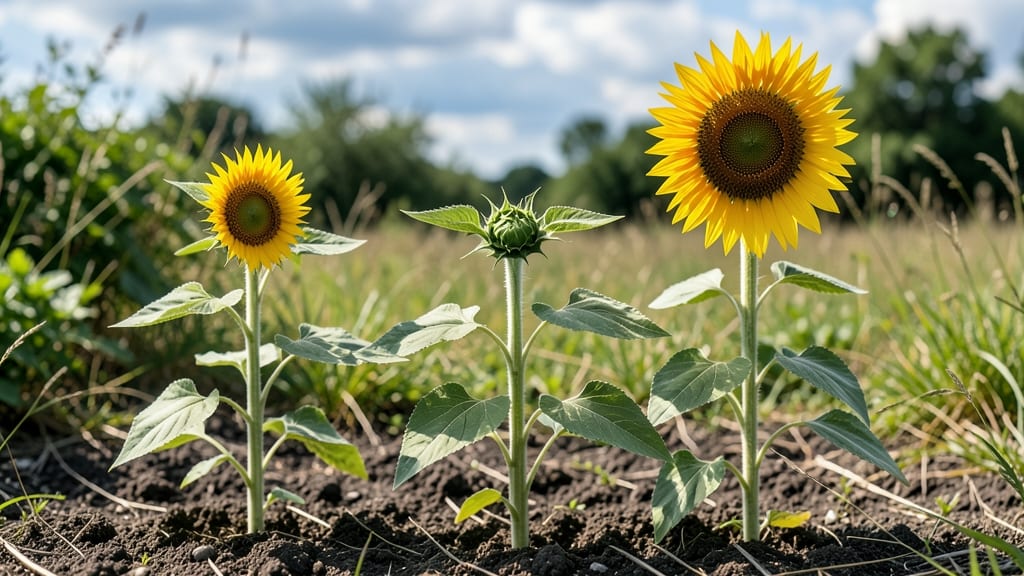
How fast do sunflowers grow? Astonishingly quickly, with some varieties reaching 6 feet tall in just 60 days—though dwarf types can bloom in as little as 45 days. If you’ve ever planted sunflower seeds and wondered, 'Will I see those towering blooms this season?', the answer depends on the variety—and the timeline might surprise you. From dwarf sunflowers popping up in weeks to giant varieties taking months, growth speed varies dramatically. Below, I break down the exact days it takes for popular sunflower types to go from seed to bloom, plus the key factors that speed up or slow down their growth. Whether you’re growing in containers or a backyard plot, these insights will help you plan for the fastest, most rewarding blooms. You’ll also discover the top 3 fastest-growing varieties that deliver blooms in under 60 days, perfect for impatient gardeners or late-season planting. Let’s get started!


Sunflower growth timeline: exact days to bloom by popular varieties
Sunflowers are nature's speedy showstoppers, but their growth timelines vary wildly depending on the variety. Whether you're growing dwarf sunflowers for containers or giant varieties as backyard giants, knowing the exact days to bloom helps you plan your garden like a pro.
From germination to full bloom, each stage unfolds at its own pace—sometimes in as little as 45 days for fast growers or up to 120 days for towering giants.
As someone who's planted sunflowers in everything from raised beds to container gardens, I've learned that even within the same variety, factors like sunlight exposure, soil temperature, and watering consistency can shift timelines by weeks.
But with the right conditions, you can push your sunflowers to bloom faster than you think. Let's break down the growth stages for five popular varieties, including their height progression and exact days to that first glorious bloom.
Here's a quick reference for the growth stages we'll cover: germination (3-14 days), seedling (14-21 days), vegetative growth (21-60 days), bud formation (60-90 days), and full bloom (45-120 days total). Each variety follows this pattern but at its own speed—some sprint while others take their time.
Let's start with the fastest growers: Teddy Bear and Sunspot sunflowers. These dwarf varieties are perfect for container gardening or small spaces, and they'll reward you with blooms in just 45-60 days.
I planted Teddy Bear sunflowers in 5-gallon pots last summer, and they hit their 3-foot height in under 35 days—talk about a quick turnaround! Their height progression is almost linear, making them ideal for kids' gardens or balcony decor.
The mid-size varieties, like Moulin Rouge, strike a balance between speed and stature. With 60-70 days to bloom and a mature height of 4
Factors that speed up or slow down sunflower growth (and how to optimize them)
Sunflowers are fast growers when conditions are ideal, but even the hardiest varieties can stall without proper care. From sunlight exposure to soil temperature, small details make a big difference in how quickly your sunflowers reach their towering heights.
I’ve learned the hard way—skipping one of these factors can turn a 60-day bloom into a 90-day wait!
Let’s break down the top 5 factors that either accelerate or delay sunflower growth, plus my proven tips to optimize each one for faster, healthier blooms. Whether you’re growing dwarf varieties in containers or giant sunflowers in your backyard, these insights will help you maximize speed.
How to Grow Sunflowers Faster
-
1. Sunlight
⏱️ Critical for speed
Sunflowers need 6-8 hours of direct sun daily. Even partial shade can slow growth by 20-30%. Place them in the sunniest spot in your yard or use reflective surfaces (like white walls) to boost light. -
2. Soil Temperature
🌡️ Germination trigger
Seeds won’t sprout below 55°F (13°C). Use black plastic mulch or a seedling heat mat to warm soil faster. In cool climates, start seeds indoors 2-3 weeks early for a head start. -
3. Watering
💧 Consistency is key
Keep soil moist but not soggy—especially during germination and budding. Deep watering 2x/week (1-2 gallons per plant) speeds growth. Avoid wetting leaves at night to prevent fungal diseases like powdery mildew. -
4. Soil Quality
🪴 Nutrient foundation
Amend soil with compost or aged manure before planting. Sunflowers thrive in loamy, well-draining soil with a pH of 6.0-7.0. Slow-release fertilizer (like 10-10-10) at planting time gives them a growth boost. -
5. Variety Choice
🌻 Fastest bloomers
Dwarf varieties like 'Teddy Bear' bloom in 45-50 days, while giants like 'Russian Giant' take 90+ days. For quick blooms, choose early-maturing hybrids (e.g., 'Autumn Beauty' at 60 days).
Pro Tip: Combine all 5 factors, and you’ll see 30% faster growth from seed to bloom! 🌱
Now that you know the key factors, let’s tackle common mistakes that slow growth. For example, overcrowding plants steals nutrients and light, stunting them by up to 40%.
Always space seeds 6-12 inches apart (depending on variety) to avoid competition. Another pitfall? Underwatering during drought—sunflowers are drought-tolerant once established, but young plants need consistent moisture.
Temperature also plays a sneaky role. If nights dip below 50°F (10°C), growth slows dramatically. In cooler climates, use row covers or plant near heat-retaining surfaces (like brick walls) to extend the growing season.
And here’s a trick I learned from my grandfather’s garden: Side-dress with compost when plants hit 12 inches tall to give them a mid-season nutrient boost.
Finally, don’t forget that patience pays off—even with perfect conditions, sunflowers follow their natural growth cycle. But by optimizing these 5 factors, you’ll cut weeks off the timeline and enjoy those golden blooms sooner.
Ready to try these tips in your garden? Grab your sunflower seeds and let’s grow! 🌻