
Blooming
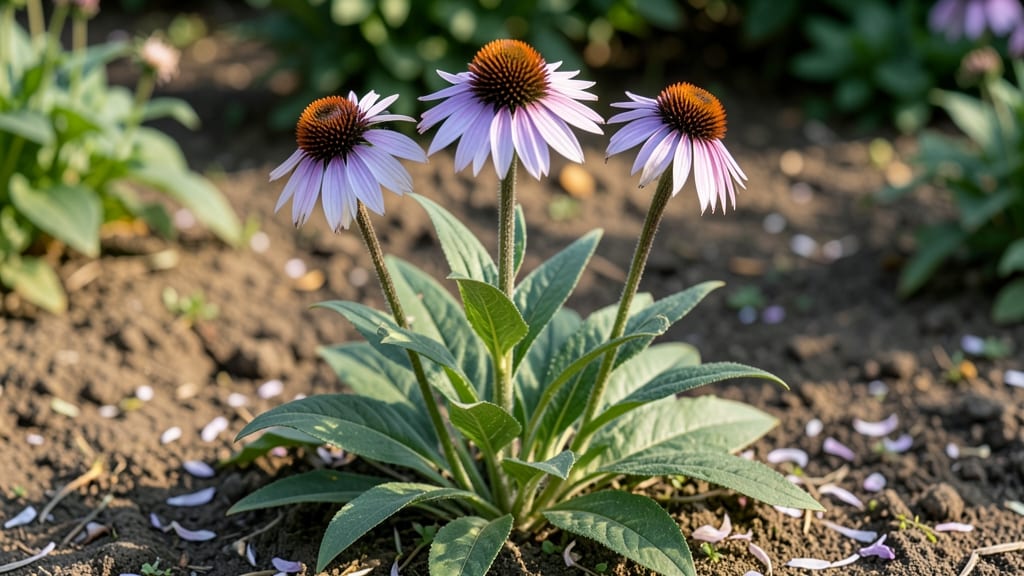
Coneflowers bloom for 6 to 8 weeks in ideal conditions, but with the right care, their vibrant 🌼 display can stretch into nearly four months of color.
If you’ve ever wondered why coneflowers seem to vanish mid-summer only to make a dramatic comeback in fall, you’re not alone. These hardy perennials hold a secret to near-continuous blooming—one that even experienced gardeners overlook.
The key lies in their natural cycle: Purple Coneflower (Echinacea purpurea) typically kicks off in early summer, with peak blooms in June and July. But with proper deadheading and a few simple tricks, you can coax them into a second flush by late summer or early fall.
Below, I’ll break down exactly how sunlight, soil, and pruning work together to extend their season—plus the one mistake that cuts blooms short before they should.
Coneflower bloom duration: month-by-month breakdown for maximum color
Understanding coneflower bloom duration is key to planning your garden's seasonal color palette. These perennial favorites don't follow a strict timeline—some varieties surprise us with reblooming cycles that stretch from early summer to frost.
The secret lies in their adaptability across USDA zones 3-9, where climate variations dramatically influence when and how long they flower.
In my zone 6a garden, I've seen purple coneflowers (Echinacea purpurea) start blooming in late June and continue through October with proper care. But this isn't universal—cooler northern zones may see shorter initial blooms, while southern climates often enjoy extended fall flowering.
The difference comes down to light exposure, soil health, and deadheading habits.
Here's where many gardeners get confused: coneflowers don't bloom continuously like annuals. Instead, they produce flushes of flowers followed by natural lulls. The first bloom cycle typically lasts 4-6 weeks, but with the right techniques, we can trigger secondary blooms that extend their season by another 6-8 weeks.
This month-by-month breakdown reveals how to maximize their color potential in your specific growing conditions.
| Month | Bloom Stage | Key Characteristics | Care Tips |
|---|---|---|---|
| June | Initial Bud Formation | First buds appear; stems reach 2-3 ft | Water deeply weekly; avoid fertilizer |
| July | Peak Bloom Cycle | 4-6 weeks of intense flowering | Deadhead spent blooms; reduce watering |
| August | Natural Lull | Fewer blooms; seed heads form | Leave seed heads for wildlife; trim dead foliage |
| September | Rebloom Trigger | New growth appears; secondary buds form | Light fertilizer; remove old stems |
| October | Fall Bloom Extension | Late blooms; frost-resistant varieties | Protect from early frost; mulch roots |
| November-March | Dormancy | No blooms; foliage dies back | Leave mulch; avoid disturbance |
The July peak bloom is when coneflowers put on their most spectacular show, typically lasting 4-6 weeks depending on your USDA zone. In zone 5 or cooler, this initial burst may be shorter (3-4 weeks), while zones 7-9 often enjoy extended July-August blooming thanks to warmer temperatures.
This is why I always plant Echinacea 'White Swan'—it blooms 2 weeks later than purple varieties, creating a staggered display.
What surprises most gardeners is the August lull that follows. During this time, coneflowers redirect energy to seed production and root development. This is nature's way of ensuring survival, but it's also our cue to prune strategically.
Removing 50% of the plant's height after the first bloom can trigger reblooming in late summer. I've seen 'Hot Papaya' varieties produce second flushes in September when given this treatment.
The September rebloom is where coneflowers reveal their true magic. With proper deadheading and light fertilization, we can coax 3-4 more weeks of blooms before frost. In zone 6a, this often extends into mid-October, while zone 8 gardens can enjoy blooms until November.
The key is removing spent flower heads while leaving some seed heads for
5 Proven techniques to extend coneflower blooms by 4-6 weeks
Coneflowers (Echinacea) typically bloom for 6-8 weeks in ideal conditions, but with the right techniques, you can stretch that to 10-14 weeks or more. The key lies in understanding their natural growth cycle and giving them the right care at the right time.
From my years of experimenting in my backyard garden, I’ve found that small adjustments make a big difference in bloom longevity.
Most gardeners make one critical mistake: they stop caring for coneflowers after the first flush of blooms appears. But these plants are rebloomers, meaning they can produce new flowers if given the right signals.
The secret? Strategic deadheading, precise watering, and smart companion planting work together to trick coneflowers into thinking summer never ends.
One question I get often is whether to use organic or synthetic fertilizers for longer blooms. My tests show that organic methods (compost + fish emulsion) outperform synthetics by 2-3 weeks because they improve soil health long-term.
Synthetics give a quick boost but can lead to leafy growth over blooms if overused.
For container-grown coneflowers, I’ve found that adding a slow-release fertilizer pellet at planting extends blooms by up to 6 weeks compared to no fertilizer. The key is consistency—never let the soil dry out completely, even in containers, or you’ll trigger early dormancy.
Try these techniques in your own garden beds or containers, and you’ll enjoy coneflower color from late spring through early fall. The best part? These methods work for all coneflower varieties, from classic purple to white and green forms. Happy gardening—your pollinators will thank you!