
Propagation
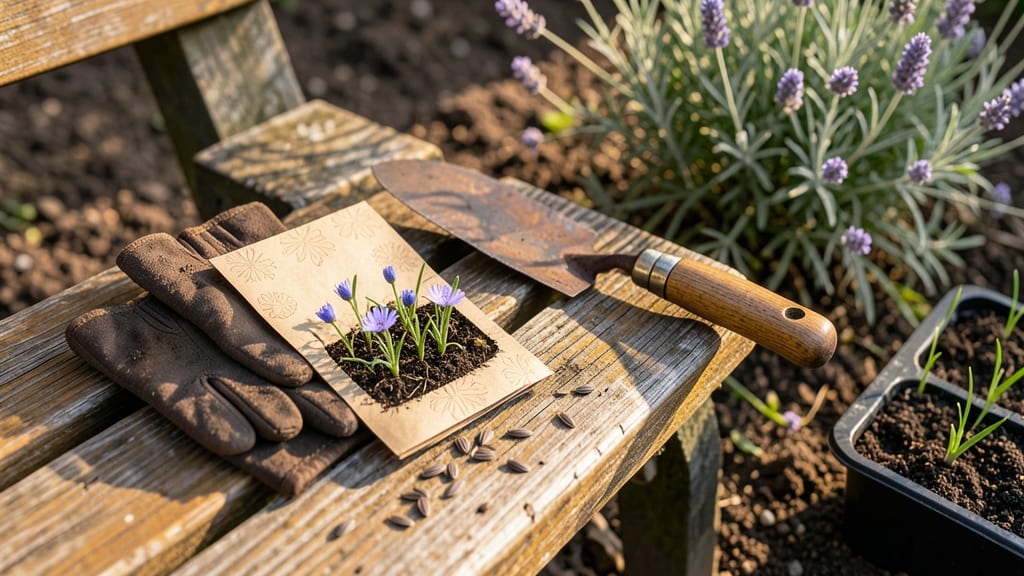
Cornflowers take about 60 to 90 days to grow from seed to full bloom, but the real magic happens in those first few weeks after planting.
Watching cornflowers bloom from tiny seeds can feel like magic—but timing is everything. If you’ve ever wondered when those vibrant blue flowers will finally appear, you’re in the right place.
Germination kicks off in just 5 to 14 days under ideal conditions, but soil warmth and moisture play a huge role. Once sprouted, seedlings grow quickly in full sun and well-drained soil, reaching 1 to 3 feet by late summer.
Here’s what you’ll learn: how to speed up germination, when to expect those first buds, and the best care tips to get your cornflowers 🌸 blooming faster than ever.


Cornflower germination timeline: when do seeds sprout and how long does it take?
Cornflower seeds (Centaurea cyanus) are surprisingly quick to sprout when given the right conditions. On average, you can expect germination to begin in 5 to 14 days, though many gardeners report seeing tiny green shoots in just 3 to 7 days under ideal circumstances.
The key to speeding up this process lies in understanding your cornflowers' temperature needs, soil moisture, and light exposure from day one.
Unlike some finicky annuals, cornflowers are remarkably resilient once their basic needs are met. They thrive in cool to moderate temperatures between 50°F and 75°F, making them perfect for spring or early summer planting in most USDA zones.
The secret to faster germination? Start your seeds indoors 4-6 weeks before your last frost date or sow directly outdoors after soil temperatures consistently reach 55°F—this gives them the head start they need.
| Germination Stage | Timeframe | Optimal Conditions | Pro Tip |
|---|---|---|---|
| Initial Moisture | Day 1-3 | Soil temp 55-65°F, consistently damp | Use a spray bottle for gentle watering |
| First Sprouts | Days 3-7 | Bright indirect light, 60-70°F | Cover with humidity dome or plastic wrap |
| Visible Seedlings | Days 7-14 | Full sun exposure, 50-75°F | Thin seedlings to 12" apart for airflow |
| Transplant Ready | Days 14-21 | Hardened off, soil 60°F+ | Plant after last frost date for best results |
Your cornflower seeds need consistent moisture during germination—never let the soil dry out completely, but avoid soggy conditions that can cause rot. I like to use a seed-starting mix with perlite for drainage and keep it lightly moist by watering from the bottom.
A simple trick I’ve used is placing the seed tray on a damp paper towel in a shallow tray to maintain humidity without overwatering.
Light plays a crucial role too. While cornflowers can sprout in low light conditions, they germinate fastest with bright indirect light (like a south-facing window). Once sprouts appear, move them to full sun for 6+ hours daily to prevent leggy seedlings.
If you're starting seeds indoors, consider using a grow light to supplement natural light during cloudy days.
Temperature fluctuations can delay germination, so aim for consistent warmth between 60°F and 70°F during the day. If your home runs cooler, place the seed tray on a seedling heat mat (set to 70°F) to accelerate sprouting.
I’ve seen germination times drop from 14 days to just 5 days using this method during chilly spring starts.
One common mistake gardeners make is overwatering after germination. Once your cornflower seedlings have their first true leaves (not the initial seed leaves), reduce watering slightly to prevent damping-off disease.
Let the top inch of soil dry out between waterings, and always water at the base of the plant rather than overhead to keep foliage dry.
If your seeds take longer than 2 weeks to sprout, don’t panic—cornflowers can be slow starters in cold or dry conditions. Try gently pressing the seeds into the soil (they need light to germinate) or soaking them in lukewarm water for 24 hours before planting.
Some gardeners swear by a 1% hydrogen peroxide solution to speed up germination by breaking down seed coatings.
For outdoor planting, direct-sow seeds after your last frost date when soil temperatures reach 55°F or warmer. Cornflowers self-seed readily, so if you plant them in well-draining soil with full sun exposure, you’ll likely see volunteer plants returning year after year.
This makes them perfect for wildflower meadows or cottage garden borders where they’ll naturalize beautifully.
Remember that cornflowers are drought-tolerant once established, but young seedlings need regular moisture to prevent stress. Mulch around the base with straw or grass clippings to retain soil moisture and suppress weeds.
With the right conditions, you could see your first blue blooms in as little as 8-10 weeks from sowing!
From seedling to bloom: month-by-month growth stages for cornflowers
Cornflowers (Centaurea cyanus) transform from tiny seeds to stunning blooms in just 8-12 weeks under ideal conditions. Understanding each growth stage helps you provide the right care—whether that’s adjusting watering or protecting seedlings from pests.
Let’s break down what to expect each month so you can nurture your plants from start to show-stopping blue flowers.
After germination (typically 7-14 days), your cornflower seedlings will emerge with round, fuzzy leaves. In their first 2-3 weeks, they’ll focus on root development, so resist the urge to transplant them.
Instead, keep the soil consistently moist but not soggy—this is when most young plants struggle due to overwatering or drying out.
Seeds sprout in 7-14 days at 60-75°F soil temps. Look for tiny green shoots breaking through the soil surface.
Plants reach 2-4 inches tall with 1-2 sets of true leaves. Thin seedlings to 12 inches apart to prevent overcrowding.
Height jumps to 12-18 inches as stems thicken. Bud formation begins—look for small purple-blue tips at stem ends.
Flowers open fully at 18-36 inches tall. Blue petals unfurl in 3-5 days per bloom. Deadhead spent flowers to encourage continuous blooming.
Plants reach 2-3 feet tall with multiple blooms. Seeds form in 3-4 weeks after flowering—save some for next year!
By week 6, your cornflowers should show buds forming at the stem tips. Healthy plants will have deep green leaves and upright stems, while struggling plants may exhibit yellowing leaves (overwatering) or stunted growth (underwatering or poor soil).
If you notice pale stems, they might need more sunlight—cornflowers thrive in full sun (6+ hours daily).
Once buds appear, reduce watering slightly to every 5-7 days to prevent bud rot. Cornflowers are drought-tolerant once established, so let the soil dry slightly between waterings. If your plants are leaning, they’re likely reaching for more light—consider transplanting them to a sunnier spot if needed.
With proper care, your cornflowers will reward you with vibrant blooms in just 2 months. The key is patience during the early stages and attentiveness to their visual cues. Watch those blue petals unfurl—it’s a sight no gardener should miss! 🌸