
How To
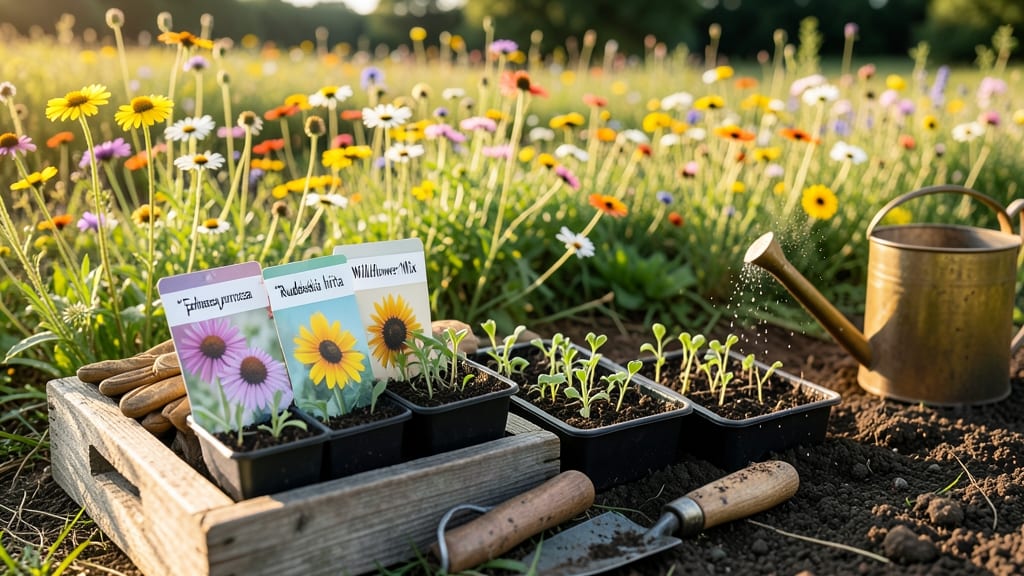
Growing wildflower seeds 🌼 takes anywhere from 7 to 30 days to sprout, but the real magic happens over 4 to 12 weeks until you see those first blooms.
Planting wildflower seeds is like inviting nature’s most vibrant colors into your garden—but patience is key. If you’ve ever wondered when those delicate sprouts will burst into full bloom, this month-by-month guide reveals exactly what to expect, from the first green shoots to the first butterflies visiting your meadow.
Most wildflowers need bright sunlight and well-drained soil to grow fast. Too much shade or soggy ground can slow them down, but with the right conditions, you could see blooms in as little as 60 days—especially with quick-growing varieties like cosmos or zinnias.
Below, I break down the full timeline, from germination to full bloom, plus tips to speed up the process so you can enjoy your wildflower meadow sooner.


Wildflower seed germination timeline: weeks 1-4 and critical growth factors
Wildflower seeds may seem patient, but they’re actually racing against time to break dormancy and sprout. The first 7–21 days after planting are the most critical, where soil temperature and moisture levels determine whether your seeds will germinate or remain dormant.
Understanding these early stages helps you avoid common pitfalls like overwatering or planting too deep.
Most wildflower varieties require consistent soil temperatures between 60–75°F to trigger germination. If your climate is cooler, consider using a seedling heat mat or planting in a sun-warmed microclimate (like a south-facing slope).
Cold soil can delay sprouting by weeks or even months, especially for species like black-eyed Susans or coneflowers.
During Weeks 1–2, seeds absorb moisture and swell, preparing to push through the soil. This is when you’ll notice the first tiny radicles (seed roots) emerging. Keep the soil evenly moist—not soggy—to prevent rot.
A light misting with a spray bottle works better than heavy watering, which can dislodge seeds or create crusts that block sprouts.
Week 3 is when most wildflower seeds finally break through the soil surface. You’ll see tiny green cotyledons (seed leaves) unfurling, signaling successful germination. At this stage, avoid disturbing the seedlings—even a gentle rake can uproot them. If you notice fewer sprouts than expected, check for poor soil contact or seed viability issues.
By Week 4, your wildflower seedlings should have developed their first true leaves (not the initial cotyledons). This is the perfect time to thin seedlings if they’re overcrowded—give each plant at least 6–12 inches of space to prevent competition.
If you’re growing annual wildflowers like cosmos, they’ll bolt quickly, so thinning early ensures stronger stems and bigger blooms.
One of the biggest mistakes gardeners make is overwatering during germination. While seeds need moisture, excess water can suffocate them or promote fungal diseases. Instead, aim for consistent dampness—think of a slightly wrung-out sponge.
A clear plastic dome or humidity tray can help maintain ideal moisture levels without drowning your seeds.
To accelerate germination, try these pro tips: Stratify seeds (mimic winter cold) for species like lupines, or soak seeds overnight in warm water for faster hydration. For fastest results, plant in well-draining soil with a light mulch layer (like straw) to retain moisture while preventing crusting.
Avoid heavy clay soils, which can trap moisture and stunt growth.
If your seeds still haven’t sprouted after 3–4 weeks, don’t panic—some wildflowers, like goldenrod, may take up to 60 days to germinate. Check for seed viability by testing a few seeds on a damp paper towel in a warm spot.
If they don’t sprout within a week, they may need replacing. Patience and proper conditions are your best tools for a thriving wildflower meadow.
Once your seedlings emerge, they’ll enter their vegetative growth phase, where they’ll focus on building roots and leaves before flowering. Stay tuned for our next section on month-by-month growth milestones, where we’ll cover when to expect those first vibrant blooms and how to extend your wildflower season. 🌱
Month-by-month wildflower growth chart: when to expect sprouts, leaves, and first blooms
Wildflowers transform your garden from bare soil to a buzzing meadow, but their growth timeline varies wildly based on climate, seed type, and care.
In cool climates (like USDA Zones 3-6), expect a slower, more deliberate pace, while warm climates (Zones 7-10) can see faster sprouting and blooming. Understanding these stages helps you adjust watering, sunlight, and patience—because the first green shoots might not arrive for weeks!
Most wildflower seeds take 5–21 days to germinate, but foliage development and first blooms can stretch into months. For example, cosmos and zinnias may bloom in as little as 60 days, while black-eyed Susans or cone flowers could take 90–120 days.
Your local frost dates also play a role—planting too early in cold zones risks frost damage to tender sprouts.
5–21 days after planting. Tiny green shoots (1–2 inches tall) appear. Cool climates: Wait until soil reaches 50°F+; warm climates: Sprouts may appear in 7–14 days.
Plants reach 4–8 inches. Thin seedlings if crowded; water deeply 1–2x/week. Warm climates: Some varieties (like annual phlox) may bloom by late Month 2.
Fast growers (e.g., cosmos) bloom by Month 3; perennials (e.g., cone flowers) may take until Month 4–5. Deadhead spent blooms to encourage more flowers.
If your wildflowers seem stunted, check these care adjustments: Cool climates? Extend the growing season with row covers or plant heat-loving varieties like sunflowers or marigolds. Warm climates?
Provide afternoon shade in summer to prevent heat stress. Overwatering is a common mistake—most wildflowers thrive on drought-like conditions once established.
By Month 4, your meadow should be a pollinator paradise, with butterflies, bees, and hummingbirds flocking to your blooms. For year-round color, mix early bloomers (like lupines) with late-season varieties (such as goldenrod).
Just remember: patience pays off—some of the most stunning wildflowers take two full growing seasons to reach their peak beauty.
For faster blooms, start seeds indoors 4–6 weeks before your last frost date, then transplant outdoors. Use well-draining soil and avoid heavy fertilizers, which can delay flowering. With the right timing and care, you’ll have a self-sustaining wildflower garden in no time—just like nature intended!