
Size
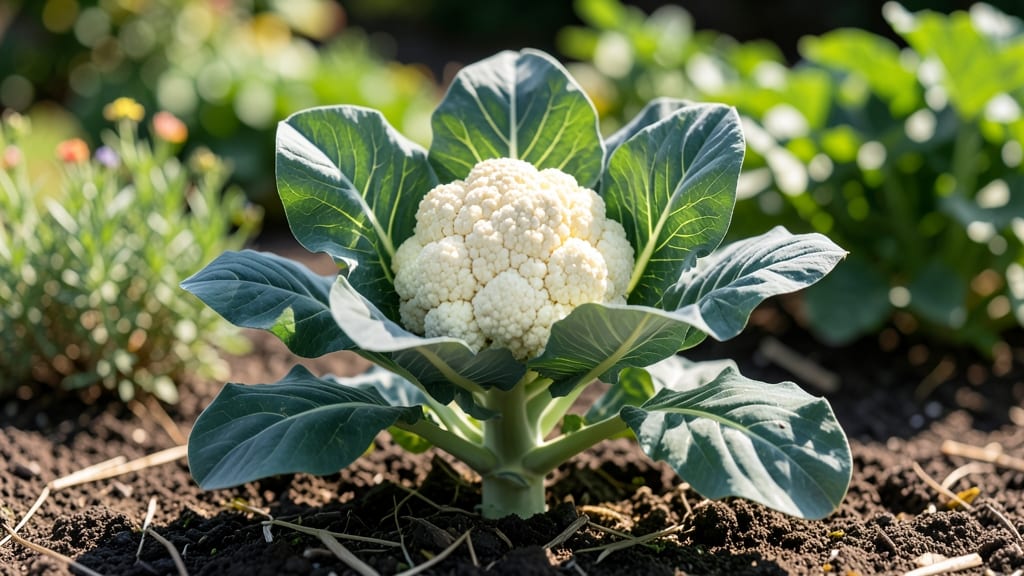
Growing cauliflower 🥬 from seed to harvest takes 70 to 100 days, depending on the variety and your planting method—so timing is everything if you want a bumper crop.
Picture this: You’ve just tucked in those tiny seeds in early spring, dreaming of crisp, golden heads by summer.
But then the days stretch on, and suddenly you’re wondering, Where did the time go? That’s the moment most gardeners realize they need a clear timeline to avoid the dreaded "too late" harvest.
Whether you’re starting with seeds or transplants, the growth stages—from germination to head formation—follow a predictable (but adjustable) schedule. I’ll break down the exact weeks it takes, how to speed things up in cooler climates, and which varieties deliver the fastest harvests without sacrificing size or flavor.
By the end, you’ll know not just how long cauliflower takes to grow, but how to tweak the process for your zone, soil, and even your favorite recipes. Let’s get those heads in the ground—and on your plate—on time.


Cauliflower growth timeline: weeks from seed to harvest by planting method
If you've ever wondered how long does cauliflower take to grow, the answer depends entirely on your planting method—whether you're starting with seeds or transplants. Direct-seeded cauliflower typically takes 80-100 days to reach harvest, while transplants mature in 70-90 days.
The key difference lies in the early stages, where transplants skip the seedling phase and jump straight to head formation.
Cauliflower thrives in cool weather (60-75°F) and struggles when temperatures climb above 80°F. This means timing is everything—plant too early or late, and your growth timeline stretches or your plants bolt prematurely.
For fastest harvests, aim to plant seeds 4-6 weeks before your last frost or transplant seedlings when soil reaches 50°F.
Here’s the breakdown: Direct-seeded cauliflower spends 2-3 weeks just germinating and establishing roots, while transplants bypass this stage entirely. Both methods share the same head development phase (weeks 6-10), but transplants often form denser, tighter heads faster due to their head start.
Let’s dive into the week-by-week milestones for each method. In week 1, direct-seeded cauliflower focuses on germination, while transplants are already establishing roots. By week 3, both methods should have 2-3 true leaves, but transplants will be 2 weeks ahead in size.
This head start means transplants often form marketable heads 10-14 days earlier than direct-seeded plants.
During weeks 4-6, the real magic happens: head initiation. This is when your cauliflower starts forming that tight, compact curd. For transplants, this occurs around week 4, while direct-seeded plants lag until week 6.
To speed up this phase, use shade cloth if temperatures exceed 75°F—heat stress can cause bolting or loose heads.
By week 8, your cauliflower should be 6-8 inches in diameter and ready for the final stretch. Here’s where light and water become critical: 6-8 hours of sun and 1-2 inches of water weekly will ensure rapid head expansion.
If you’re in a cooler climate, consider using black plastic mulch to warm the soil and accelerate growth by 5-7 days.
Harvest time arrives between weeks 10-12, depending on your variety. Look for firm, dense heads with tightly packed curds and slightly yellowing outer leaves. If you wait too long, the head will loosen and split, ruining your harvest.
For fall crops, plant late summer varieties like Purple of Sicily—they tolerate cooler nights better and mature in 75-85 days.
Pro tip: If you’re growing in containers
Factors that speed up or delay cauliflower harvest: what you control (and what you don’t)
Cauliflower growth speed hinges on a mix of factors you can tweak and others beyond your control. From soil pH to watering consistency, small adjustments can shave weeks off your harvest timeline—or extend it frustratingly. Let’s break down what truly moves the needle and what’s just background noise.
The biggest controllable factors are soil conditions, spacing, and watering habits. For example, maintaining a pH between 6.0–7.0 and adding aged compost can accelerate growth by up to 10–15 days compared to poor soil. Meanwhile, inconsistent watering or overcrowding plants can stall progress by weeks.
Here’s what you can do to optimize your cauliflower’s growth timeline:
- 🌱 Soil pH 6.0–7.0 – Test and amend with lime or sulfur to keep roots active and nutrient absorption high.
- 💧 1–2 inches of water weekly – Deep watering in the morning prevents stress and bolting during heatwaves.
- 🌿 18–24 inches of spacing – Crowding slows growth; give plants room to breathe for bigger heads.
- 🌡️ Consistent temperatures – Avoid sudden swings; use shade cloth if temps exceed 85°F.
- ✂️ Remove side shoots – Prune smaller heads to redirect energy to the main curd.
What you can’t control includes unpredictable weather, sudden pest outbreaks, or soil-borne diseases. For instance, a late frost can set your crop back by 3–4 weeks, while cabbage moths might chew through leaves, delaying head formation. The key is to monitor plants daily and act fast when issues arise.
One common delay is bolting, where cauliflower sends up a flower stalk instead of forming a head. This happens when plants experience temperature stress or nutrient deficiencies.
To prevent it, use row covers in early spring or late fall to buffer against cold snaps, and fertilize with high-nitrogen feeds during active growth.
For split heads, the culprit is often uneven watering or over-mature heads. Harvest promptly when the head reaches 6–8 inches in diameter, and mulch to keep soil moisture steady. A simple trick: wrap the head in leafy greens to protect it from sun exposure while it matures.
By focusing on these five key levers, you’ll minimize delays and maximize your harvest. Even in less-than-perfect conditions, small tweaks can turn a 100-day crop into a 75-day one—meaning fresh cauliflower on your table weeks earlier! 🥬