
Blooming
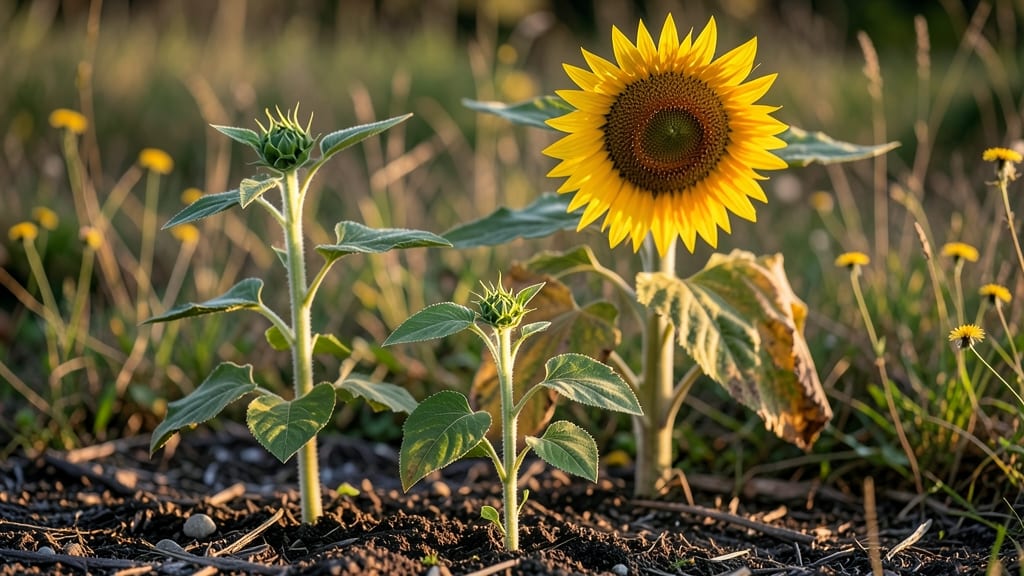
Sunflowers take between 60 and 120 days to flower from seed, depending on the variety and growing conditions—but that timeline can shift dramatically with a few key adjustments.
Picture this: you’ve just tucked those tiny seeds into warm soil in April or May, dreaming of towering 🌻 blooms by summer. Yet, if your garden sits in USDA Zone 6a with cooler springs, those golden faces might take an extra month to appear.
Or, if you’re growing a Mammoth variety, expect the wait to stretch toward the upper end of that range.
Sunlight, soil warmth, and even water consistency play a huge role in speeding up or slowing down blooming. Too little sun, and your sunflower might linger in the vegetative stage. Too much heat without proper hydration, and it could bolt early—leaving you with a shorter display.
The good news? With the right care, you can nudge those blooms along (or hold them back just a bit) for the perfect July to September show.
In this guide, I’ll break down the exact flowering timelines for popular varieties, share the signs your sunflower is about to burst into bloom, and give you actionable tips to fine-tune your garden’s conditions for faster, healthier flowers.
Sunflower flowering timeline: exact days by popular variety
Sunflowers are nature’s golden showstoppers, but their blooming timeline varies dramatically depending on the variety you plant. If you’re counting down the days to those iconic yellow faces, knowing your sunflower’s exact flowering window is key.
Most gardeners expect blooms between 60 to 120 days after planting, but dwarf varieties can flower in as little as 45 days, while giant types may take 100+ days. Let’s break down the timelines for the most popular sunflower varieties so you can plan your garden with precision.
Before we dive into specifics, here’s a pro tip: Always check your seed packet for exact days to maturity—this is your best guide. Factors like climate, soil temperature, and sunlight exposure can shift these timelines by weeks.
For example, a Teddy Bear sunflower might bloom in 55 days in a warm Southern garden but take 70 days in a cooler Northern zone. With that in mind, here’s what to expect from the most beloved varieties.
The Mammoth and Russian Giant varieties are the slowest to bloom, often taking 100+ days to reach their full glory. These towering giants are worth the wait, though—imagine a 14-foot sunflower dominating your garden!
If you’re impatient, opt for Teddy Bear or Sunspot varieties, which can surprise you with blooms in as little as 45 to 60 days. These are perfect for container gardens or adding quick color to small spaces.
For cut flowers, the ProCut variety is a gardener’s secret weapon. It blooms in 60 to 80 days and produces long, sturdy stems that stay fresh in vases for weeks. If you love unique colors, Autumn Beauty sunflowers are a must-try.
Their bicolor blooms (often red and yellow) add a vibrant twist to traditional sunflowers and typically flower in 65 to 85 days. Pro tip: Plant a mix of fast and slow varieties to extend your garden’s blooming season from early summer to fall.
Calculating your own sunflower’s flowering timeline is simpler than you think. Start by checking the days to maturity listed on your seed packet—this is the average time from planting to full bloom.
For example, if your packet says 75 days and you plant on May 1st, you can expect blooms around July 15th. However, adjust this estimate based on your last frost date and local climate.
In cooler regions, add 10 to 15 days to the timeline, while warmer climates may shave off a few weeks.
Don’t forget that direct-sown seeds (planted
How growing conditions speed up or delay sunflower blooming
Sunflowers are famously resilient, but their blooming timeline isn’t set in stone—it’s directly influenced by your growing conditions. While most varieties bloom in 60–90 days, you can push that window earlier or later by 2–4 weeks with the right adjustments.
Understanding these factors helps you predict blooms and even extend flower life for longer enjoyment.
Soil temperature is the biggest accelerator. Sunflower seeds need soil at 60°F or warmer to sprout quickly. If your spring soil is still cool, germination can stall for 10+ days, delaying the entire blooming cycle.
I’ve seen Mammoth sunflowers bloom 3 weeks earlier when planted in warmed soil compared to cold starts.
Here’s how key factors impact your sunflower’s timeline:
Growing Conditions That Speed Up or Delay Blooming
⚡ Speed Up Blooming
⏳ Delay Blooming
Water consistency plays a surprising role. Sunflowers need 1–2 gallons per week, but drought stress can pause growth entirely. I once had a Teddy Bear sunflower bloom 2 weeks late because of a dry spell—its stem simply stopped elongating until rains returned.
Use drip irrigation to maintain steady moisture without wetting leaves (which invites fungal diseases).
Fertilization timing matters more than type. A light feeding at planting (1 tbsp 10-20-10) gives roots a boost, but heavy summer feeding can lead to leafy monsters instead of blooms.
I’ve found that stopping fertilizer 4–6 weeks before expected blooming redirects energy to flower production, often resulting in larger, earlier blooms.
Don’t overlook pollinators—sunflowers rely on bees and birds to trigger blooming. If your garden lacks visitors, hand-pollinate by gently shaking stems on dry, sunny mornings.
I’ve seen ProCut varieties bloom 5 days earlier in pollinator-rich gardens versus isolated plants. Plant bee-friendly companions like basil or marigolds nearby for a natural boost.
With these adjustments, you can fine-tune your sunflower’s timeline to match your garden’s season. Whether you’re chasing early summer blooms or fall displays, understanding these levers gives you control over when those golden faces turn your way. 🌻